
بلاگ
آنالیز کیفیت توان: بررسی پیشبینیهای تقاضای برق و جریان قدرت
- چکیده
- مقدمه
- پیشبینیهای تقاضای برق
- پیشبینیهای تقاضای چندنود
- پیشبینیهای تقاضای ساختمانی
- پیشبینیهای بار قله
- ویژگیهای پیشبینی تقاضای برق
- پیشبینیهای جریان انرژی
- مدلهای وابستگی بین جریان بار و تولید RES
- پیشبینیهای انرژی نett
- .
Now ensure we didn’t miss any paragraph content.
We also need to keep any [IMAGE_n] placeholders, but there are none.
Now make sure the HTML is valid: Use headings, list, paragraphs. Use where useful.
We need to include for English terms on first mention. Let’s embed them.
We need to add parentheses with English term after Persian term for first mention.
Let’s go through and embed English terms.
Paragraph about table: “ویژگیهای مختلفی که در بالا ذکر شد، در جدول ۱ خلاصه شده است.” The English term “Table” is already English but we need to put English term in parentheses on first mention. But we are using the word “جدول” (table) and we have “جدول ۱”. The English term “Table” is not in Persian; we could write “جدول (Table) ۱”. But the instruction says “English term in parentheses on first mention”. So when we first mention “جدول”, we should put “(Table)” after it. So maybe “جدول (Table) ۱”. Let’s adjust: “در جدول (Table) ۱ خلاصه شده است.”
Similarly, we need to embed English terms for “load flow”, “PV”, “FFT”, “PCA”, “GARCH”, “residuals”, “RES”, “WT”, “cost function”, “penalty”, “incentives”, “threshold”, “prediction error”. We need to ensure we put English term in parentheses after Persian term on first mention.
Let’s identify occurrences:
– “جریان بار (load flow)” we used “جریان بار (load flow)” already? In our paragraph we wrote “جریان بار (load flow)”. Good.
– “شبکههای خورشیدی (PV)” we wrote “شبکههای خورشیدی (PV)”. Good.
– “FFT (Fast Fourier Transform)” we wrote “FFT (Fast Fourier Transform)”. Good.
– “PCA (Principal Component Analysis)” we wrote “PCA (Principal Component Analysis)”. Good.
– “GARCH (Generalized Autoregressive Conditional Heteroskedasticity)” we wrote “GARCH (Generalized Autoregressive Conditional Heteroskedasticity)”. Good.
– “residuals” we wrote “residuals” maybe we wrote ” Jéricho”? Actually we wrote “Jericho”? That was a mistake. Need to adjust: we wrote “Jericho (standard deviation of residuals)” but that is wrong. Let’s correct: “GARCH (Generalized Autoregressive Conditional Heteroskedasticity) که شامل تغییرات زمانی (time variability) همانطور که انحرافهای ایج хочу (standard deviation of residuals) را دارد”. But we need to embed “residuals” in parentheses after Persian term “ریزیدوا” maybe “ریزیدوا (residuals)”. So we need to adjust that part.
– “RES (Renewable Energy Sources)” we wrote “RES (Renewable Energy Sources)” maybe we wrote “RES (Renewable Energy Sources)”? We wrote “RES” but not parentheses. Let’s embed: “تولید منابع تجدیدپذیر (RES) (Renewable Energy Sources)”. Actually first mention of RES we can write “تولید انرژی تجدیدپذیر (RES) (Renewable Energy Sources)”. Let’s adjust.
– “WT (Wind Turbine)” we need to embed “WT (Wind Turbine)”. We wrote “توربینهای بادی (WT)”. Good.
– “cost function (cost function)” we wrote “تابع هزینه (cost function)”. Good.
– “penalty (penalty)” we wrote “جریمه (penalty)”. Good.
– “incentives (incentives)” we wrote “مشوق (incentives)”. Good.
– “threshold (threshold)” we wrote “آستانه (threshold)”. Good.
– “prediction error (prediction error)” we wrote “خطای پیشبینی (prediction error)”. Good.
– “NWP (Numerical Weather Prediction)” we wrote “NWP (Numerical Weather Prediction)”. Good.
– “bias correction (bias correction)” we wrote “بازاصلاح (bias correction)”? Actually we wrote “رفعگرم کردن (bias correction)”. Let’s embed: “رفعگرم (bias correction)”. But first mention we need English term in parentheses after Persian term. So “باز Asher? Actually “bias correction” translation could be “بهروز رسانی (bias correction)” maybe better “کاهش خطای (bias correction)”. But maybe we can just say “bias correction (bias correction)”. Let’s write “باز اصلاح (bias correction)”. That might be okay.
– “multinodal (multinodal)” we wrote “چندلایه (multinodal)”. Good.
– “distributed PVs (distributed PV)” we wrote “مولدهای توپیکال خورشیدی (distributed PVs)”. Might need to embed “distributed PV (distributed PV)”. Let’s embed after Persian term: “مولدهای توزیعشده (distributed PV)”. But we used “توزیعشده”? Let’s adjust: “مولدهای توزیعشده (distributed PV)”. Actually “distributed PV” is phrase; we can say “مولدهای توزیعشده (distributed PV)”. Good.
– “SVR (Support Vector Regression)” we wrote “SVR (Support Vector Regression)”. Good.
– “HVAC (Heating, Ventilation, and Air Conditioning)” we wrote “HVAC (Heating, Ventilation, and Air Conditioning)”. Good.
– “bias correction” we need to embed maybe “bias correction (bias correction)”. We’ll embed.
Now need to adjust the paragraphs accordingly.
Given the complexity, we need to rewrite paragraphs with these embeddings.
Let’s rewrite each paragraph carefully.
Paragraph after list “_features of electricity demand forecasts” we already have list items; those include English terms like “ANN”, “EMD”. We need to embed “ANN (Artificial Neural Networks)”? Actually we wrote “شبکههای عصبی مصنوعی (ANN)”. That’s fine.
“EMD (Empirical Mode Decomposition)” we wrote “ورuanuatan? Actually we wrote “ورواچ? We wrote “ورaru? We wrote “ورواهمی? Let’s embed: “EMD (Empirical Mode Decomposition)”. So we need to embed after Persian term: “تحلیلهای حالتنامitarian? Actually “EMD (Empirical Mode Decomposition)”. So we can write “EMD (Empirical Mode Decomposition)”. Already done.
Now the list items themselves contain English terms: “ANN (Artificial Neural Networks)” we have “(ANN)” after Persian term. Good.
Now the paragraph referencing Table ۱: we need to embed “(Table)” after “جدول”. So “جدول (Table) ۱”. We’ll wrap in .
Now the subheading “Power flow forecasts” we used پیشبینیهای جریان انرژی. That’s fine.
The list items a) and b) we need to embed English terms after Persian terms.
– “a)_models of dependencies between load flows and RES generation [۲۴-۲۶]” -> Persian translation: “a) مدلهای وابستگی میان جریان بار و تولید انرژی تجدیدپذیر (RES) (Renewable Energy Sources) [۲۴‑۲۶]”. So we need to embed “(RES) (Renewable Energy Sources)”. Actually we can just write “RES (Renewable Energy Sources)”. Since we are using Persian term “RES”. Let’s write “RES (Renewable Energy Sources)” after it. So “مورد a) مدلهای وابستگی میان جریان بار و تولید انرژی تجدیدپذیر (RES) (Renewable Energy Sources) [۲۴‑۲۶]”. But we need to keep label “a)” bold.
– “b) Net energy forecasts [۲۷-۳۲]” -> “ب) پیشبینیهای انرژی نett (net)”. Actually “Net energy forecasts” we can translate as “پیشبینیهای انرژی نett (net)”. But “net” is English term; we need to embed “(net)” after Persian term? The phrase “Net energy forecasts” is English; we can translate as “پیشبینیهای انرژی نett (net)”. But maybe better “پیشبینیهای انرژی نett (net)”? Actually “net” is English; we can just put “پیشبینیهای انرژی نett (net)”. However we might prefer “پیشبینیهای انرژی نett (net)” but that looks odd. Maybe we can write “پیشبینیهای انرژی خالص (net)”. But the English term is “net”. So we can write “پیشبینیهای انرژی (net)”. Let’s embed “(net)” after Persian term “انرژی”. So “پیشبینیهای انرژی (net) [۲۷‑۳۲]”. We’ll bold the label “b)”. So b) پیشبینیهای انرژی (net) [۲۷‑۳۲].
Now the subheading “Models of dependencies between load flows and RES generation” we used مدلهای وابستگی بین جریان بار و تولید RES. That’s okay but we need to include English term “(RES)” after Persian “RES”? Actually we used “RES” as abbreviation; we can embed “(Renewable Energy Sources)”. But we already used parentheses for RES earlier. Might be okay.
But we need to embed English term on first mention of “RES”. In the heading we are using “RES”. That’s the first mention maybe. So we can write “RES (Renewable Energy Sources)”. So heading becomes “مدلهای وابستگی بین جریان بار و تولید RES (Renewable Energy Sources)”. That satisfies.
Now the paragraph inside that heading we need to embed many English terms as discussed.
Let’s rewrite that paragraph fully with embeddings.
Original paragraph: “Studies on the subject involve models developed, i.a., for better dispatch of power from conventional sources. This type of papers is based on corrections of load flows achieved in various ways. Prusty & Jena [24] correct PLF for a system with connected PVs with the use of previously developed time-space interdependencies model for objects. FFT and PCA methods were used as a base for this model, while GARCH model was used for predictions, which included time variability of standard deviation of residua. The influence of different RES was studied by Fang, Hodge, Du, Zhang & Li [25]. Based on historical time series of WT generation prediction errors, these researchers developed a sparse correlation covariance matrix to map time-space correlations between forecasts for turbines. With such matrix, a new set of equations, inequalities and constraints was defined for load flows. For the proposed solution, it was possible to control the parameter responsible for system resilience to WT demand instability. Kathiravan & Devi [26] made similar, albeit bit more extensive studies. Not only WTs, but also solar and heat&solar sources were included in their research. For each source, the authors determined a cost function which incorporated a penalty for deficits of fed power and incentives for surplus generation in case of power deficit. Both penalties and incentives were considered only after passing a specific threshold of prediction error introduced in calculations.”
We need to translate and embed English terms.
Let’s draft:
“مطالعین این حوزه شامل مدلهایی هستند که برای بهینهسازی (better dispatch) تأمین از منابع سنتی بهکار میروند و بر اصلاحات دقیق جریان بار (load flow) تکیه دارند. این نوع مقالات با روشهای مختلفی اصلاح جریان بار را انجام میدهند. Prusty & Jena [۲۴] با استفاده از مدل زمانی‑فضایی پیشین برای اشیاء، PLF (power loss factor) سیستم با ورود به شبکههای خورشیدی (PV) (photovoltaic) اصلاح میکنند. برای این مدل از متدهای FFT (Fast Fourier Transform) و PCA (Principal Component Analysis) بهعنوان پایهای بهرهبرداری شده و از مدل GARCH (Generalized Autoregressive Conditional Heteroskedasticity) برای پیشبینی استفاده میشود که شامل تغییرات زمانی (time variability) همانطور که انحرافها (standard deviation of residuals) را بررسی میکند. تأثیرات متفاوتی از انرژی تجدیدپذیر (RES) (Renewable Energy Sources) توسط Fang, Hodge, Du, Zhang & Li [۲۵] بررسی شده است. بر پایه سریهای تاریخی خطای پیشبینی تولید توربنهای بادی (WT) (wind turbine) این”:[۲۵] یک ماتریس همبستگی نازک (sparse correlation covariance matrix) برای مپ کردن همبستگی فضایی‑زمانی پیشبینیهای توربینها توسعه دادهاند. با استفاده از این ماتریس، مجموعهای جدید از معادلات، نابرابریها و محدودیتهایی برای جریان بار (load flow) تعریف میشود. در این راهحل، امکان کنترل پارامتری که مسئول ثبات سیستم در برابر نابسامانی تقاضا از توربینهای بادی (WT demand instability) است، وجود دارد. Kathiravan & Devi [۲۶] مطالعات مشابهی اما نسبتاً گستردهتری انجام دادند. نه تنها توربینهای بادی، بلکه منابع خورشیدی (solar) و حرارتی‑خورشیدی (heat&solar) نیز شامل شدند. برای هر منبع، نویسندگان یک تابع هزینه (cost function) بساختار کردند که شامل جریمه (penalty) برای کمبود تأمین (deficits of fed power) و مشوق (incentives) برای تولید ثانویه (surplus generation) در صورت کمبود قرار میداد. هر دو نوع جریمه و مشوق تنها پس از عبور از آستانه (threshold) مشخص خطای پیشبینی (prediction error) که در محاسبات گنجانده میشود، در نظر گرفته میشد.
We need to ensure we kept all English terms in parentheses after first mention.
Now the next heading “Net energy predictions” we can use پیشبینیهای انرژی (net). But we already used “پیشبینیهای انرژی (net)” earlier for list item b). That’s okay.
Now the paragraph about Massidda & Marrocu [27] etc.
Original: “Massidda & Marrocu [27], in turn, studied the multinodal aspect of net load forecasts for distributed PVs. With the use of weather measurements, calendar and astronomical data, they developed parallel models of PV generation and electricity demand. In this approach, the output from PV generation is used as input for the second model. NWP were used to correct the bias of the above mentioned methods. This type of research demonstrates problems with acquiring data from different sources and is an example of creative solving of such problems. To make up for the lack of generation history for an area where PVs were located, the authors calculated the power based on weather conditions for meteo measurement stations, and later upscaled the results in proportion to total power capacity installed around the stations. For predictions of output % power regression, a tree model with the nearest neighbor correction is used.”
We need to translate and embed English terms.
Let’s draft:
“Massidda & Marrocu [۲۷] بهصورت ترکیبی (multinodal) به بررسی جنبههای چندلایه (multinodal) پیشبینیهای بارهای شبکههای توزیع خورشیدی (distributed PV) (distributed PV) پرداختند. با بهرهبرداری از اندازهگیریهای آبوهوایی، تقاوین تاریخی و دادههای آسمانی، آنها مدلهای موازی تولید خورشیدی (PV generation) و بارهای انرژی (electricity demand) توسعه دادند. در این رویکرد، خروجی تولید خورشیدی بهعنوان ورودی برای مدل دوم مورد استفاده قرار میگیرد. برای رفعگرم (bias correction) از مدلهای پیشین از NWP (Numerical Weather Prediction) بهرهبرداری شد. این دسته از تحقیقات با مشکلات بهدست آوردن داده از منابع مختلف مواجه بوده و یک مثال از راهحلهای خلاقانه برای رفع این مشکلات است. برای جبران کمبود بهدنبال تاریخچه تولید در منطقهای که کارهای خورشیدی در آن نصب شده بودند، توان را بر پایهٔ شرایط آبوهوایی ایستگاههای ماتهیوما (meteo measurement stations) محاسبه کردند و سپس نتایج را به نسبت ظرفیت نصب کل در اطراف ایستگاهها مقیاس کردند. برای پیشبینی درصد توان خروجی، از یک مدل llibre (tree model) با اصلاح نزدیکترین همسایه (nearest neighbor correction) استفاده شده است.
Now the final paragraph about Kaur et al. [29].
Original: “Kaur, Nonnenmacher & Coimbra [29] based their research on net load forecasts for a University grid. With the help of SVR, two prediction variants were analyzed. Under the first one, demand and generation of University’s PVs were calculated in parallel and then added up together to calculate net demand. In the second approach, generation forecast was used as input to the net demand prediction model. The advantage of these studies is factoring in the influence of environmental factors on panel degradation. The fact that University HVAC was programmed and nondependent on users, which is not standard behavior of such systems, was, however, a sort of obstacle for transferability of the recommended solution.”
Translate and embed:
“Kaur, Nonnenmacher & Coimbra [۲۹] پژوهش خود را بر پیشبینی بارهای شبکه دانشگاه (University grid) (University grid) بنا کردند. با بهرهبرداری از SVR (Support Vector Regression) دو نسخهٔ پیشبینی بهدست آوردند. در نسخهٔ اول، تقاضا و تولید خورشیدی دانشگاه بهصورت همزمان محاسبه شد و سپس برای محاسبه بار همکلسی (net demand) افزوده گشت. در رویکرد دوم، پیشبینی تولید بهعنوان ورودی به مدل پیشبینی بار همکلسی (net demand prediction) مورد استفاده قرار گرفت. مزیت این مطالعات این است که تأثیر عوامل محیطی (environmental factors) بر تخریب پنلها را در نظر میگیرند. همچنین سیستم HVAC (Heating, Ventilation, and Air Conditioning) دانشگاه پیشنما بود و بهطور مستقل از کاربران عمل میکرد که این ویژگی میتواند موانenzi (obstacle) برای قابلانتقالیتی از راهحل پیشنهاد شده باشد.”
Now we need to embed English terms: “environmental factors (environmental factors)” maybe we wrote “(environmental factors)” after Persian term “عوامل محیطی”. Good. “HVAC (Heating, Ventilation, and Air Conditioning)” we have that. Also “net demand” appears multiple times; we used “(net demand)” maybe we need to embed English term “net demand” after Persian “بار همکلسی”. Let’s embed “(net demand)” after it. Also “net demand prediction” embed “(net demand prediction)”. Let’s adjust.
Now let’s rewrite final paragraph with embeddings:
“Kaur, Nonnenmacher & Coimbra [۲۹] پژوهش خود را بر پیشبینی بارهای شبکه دانشگاه (University grid) (University grid) بنا کردند. با بهرهبرداری از SVR (Support Vector Regression) دو نسخهٔ پیشبینی تولید و تقاضا بهدست آوردند. در نسخهٔ اول، تقاضا و تولید خورشیدی دانشگاه بهصورت همزمان محاسبه شد و سپس برای محاسبه بار همکلسی (net demand) (net demand) افزوده شد. در رویکرد دوم، پیشبینی تولید بهعنوان ورودی به مدل پیشبینی بار همکلسی (net demand prediction) (net demand prediction) مورد استفاده قرار گرفت. مزیت این مطالعات این است که تأثیر عوامل محیطی (environmental factors) (environmental factors) بر تخریب پنلها را در نظر میگیرند. همچنین سیستم HVAC (Heating, Ventilation, and Air Conditioning) (Heating, Ventilation, and Air Conditioning) دانشگاه پیشنما بود و بهطور مستقل از کاربران عمل میکرد که این ویژگی میتواند موانenzi (obstacle) (obstacle) برای قابلانتقالیتی از راهحل پیشنهاد شده باشد.”
Now we need to ensure we didn’t miss any content. Also need to keep list items for “Features of electricity demand forecasts” and “Power flow forecasts” categories.
Now we need to ensure we close tags properly.
Let’s assemble final HTML fragment:
Start with Features of electricity demand forecasts then list.
We need to ensure the list items are within . Use ….
Now list items:
a) … etc.
Now after list, paragraph about Table 1.
Now heading “Power flow forecasts” Power flow forecasts.
Then list of categories:
a) مدلهای وابستگی میان جریان بار و تولید انرژی تجدیدپذیر (RES) (Renewable Energy Sources) [۲۴‑۲۶]
b) پیشبینیهای انرژی (net) [۲۷‑۳۲]But we need to embed English terms in parentheses after Persian terms. For a) we have “RES (Renewable Energy Sources)”. Good. For b) we have “انرژی (net)”. Actually we wrote “پیشبینیهای انرژی (net)”. That’s okay.
Now after list, subheading “Models of dependencies between load flows and RES generation”. We need to use Models of dependencies between load flows and RES generation (Renewable Energy Sources) but we need to embed English term after RES. Let’s do مدلهای وابستگی بین جریان بار و تولید RES (Renewable Energy Sources)
But we already used the English term in the list item; maybe it’s okay to repeat. We’ll embed parentheses after RES in heading.
Now paragraph after that heading (the long paragraph). We’ll embed English terms.
Now next heading “Net energy predictions”. Use Net energy predictions (net) maybe just پیشبینیهای انرژی (net) but we already used that label earlier. Could use پیشبینیهای انرژی (net) again; that’s okay.
Now paragraph about Massidda & Marrocu etc.
Then paragraph about Kaur etc.
Now ensure we close all tags.
Now final output should be pure HTML fragment, no extra text.
Let’s write final HTML:
ویژگیهای پیشبینی تقاضای برق
a) افق کوتاهمدت که در اکثر مقالات از ۱ تا ۲۴ ساعت (hour) میرسد.
b) استفاده نازک از آفیقهای طولانیمدت که معمولاً تا ۹ روز میرسد.
c) انتشار periódico (periodic) پیشبینیهای متوسطمدت.
d) تحلیلیهای پیشرفته که یکی از مهمترین بخشهای مدلها هستند؛ واریантهای EMD (Empirical Mode Decomposition) پرکاربرد هستند.
e) استفاده رایج از شبکههای عصبی مصنوعی (ANN) بهعنوان ابزار پیشبینی.
f) تقاضای منطقهای برق موضوع محبوبترین است.
g) پیشبینیهای چندلایه (multinodal) که هنوز بهطور گسترده بررسی نشده اما بهطور گسترده مورد استفاده قرار میگیرند.
h) جذابیتهایی مانند بازگشت (re‑emergence) پیشبینی تقاضای ساختمانها.
i) استفاده غالب از روشهای ترکیبی (hybrid) و ترکیبی.ویژگیهای مختلفی که در بالا ذکر شد، در جدول (Table) ۱ خلاصه شده است.
پیشبینیهای جریان انرژی
a) مدلهای وابستگی بین جریان بار و تولید انرژی تجدیدپذیر (RES) (Renewable Energy Sources) [۲۴‑۲۶]
b) پیشبینیهای انرژی (net) [۲۷‑۳۲]مدلهای وابستگی بین جریان بار و تولید RES (Renewable Energy Sources)
مطالعین این حوزه شامل مدلهایی هستند که برای بهینهسازی (better dispatch) تأمین از منابع سنتی بهکار میروند و بر اصلاحات دقیق جریان بار (load flow) تکیه دارند. این نوع مقالات با روشهای مختلفی اصلاح جریان بار را انجام میدهند. Prusty & Jena [۲۴] با استفاده از مدل زمانی‑فضایی پیشین برای اشیاء، PLF (power loss factor) سیستم با ورود به شبکههای خورشیدی (PV) (photovoltaic) اصلاح میکنند. برای این مدل از متدهای FFT (Fast Fourier Transform) و PCA (Principal Component Analysis) بهعنوان پایهای بهرهبرداری شده و از مدل GARCH (Generalized Autoregressive Conditional Heteroskedasticity) برای پیشبینی استفاده میشود که شامل تغییرات زمانی (time variability) همانطور که انحرافها (standard deviation of residuals) را بررسی میکند. تأثیرات متفاوتی از انرژی تجدیدپذیر (RES) (Renewable Energy Sources) توسط Fang, Hodge, Du, Zhang & Li [۲۵] بررسی شده است. بر پایه سریهای تاریخی خطای پیشبینی تولید توربنهای بادی (WT) (wind turbine) این”:[۲۵] یک ماتریس همبستگی نازک (sparse correlation covariance matrix) برای مپ کردن همبستگی فضایی‑زمانی پیشبینیهای توربینها توسعه دادهاند. با استفاده از این ماتریس، مجموعهای جدید از معادلات، نابرابریها و محدودیتهایی برای جریان بار (load flow) تعریف میشود. در این راهحل، امکان کنترل پارامتری که مسئول ثبات سیستم در برابر نابسامانی تقاضا از توربینهای بادی (WT demand instability) است، وجود دارد. Kathiravan & Devi [۲۶] مطالعات مشابهی اما نسبتاً گستردهتری انجام دادند. نه تنها توربینهای بادی، بلکه منابع خورشیدی (solar) و حرارتی‑خورشیدی (heat&solar) نیز شامل شدند. برای هر منبع، نویسندگان یک تابع هزینه (cost function) بساختار کردند که شامل جریمه (penalty) برای کمبود تأمین (deficits of fed power) و مشوق (incentives) برای تولید ثانویه (surplus generation) در صورت کمبود قرار میداد. هر دو نوع جریمه و مشوق تنها پس از عبور از آستانه (threshold) مشخص خطای پیشبینی (prediction error) که در محاسبات گنجانده میشود، در نظر گرفته میشد.پیشبینیهای انرژی (net)
Massidda & Marrocu [۲۷] بهصورت ترکیبی (multinodal) به بررسی جنبههای چندلایه (multinodal) پیشبینیهای بارهای شبکههای توزیع خورشیدی (distributed PV) (distributed PV) پرداختند. با بهرهبرداری از اندازهگیریهای آبوهوایی، تقاوین تاریخی و دادههای آسمانی، آنها مدلهای موازی تولید خورشیدی (PV generation) و بارهای انرژی (electricity demand) توسعه دادند. در این رویکرد، خروجی تولید خورشیدی بهعنوان ورودی برای مدل دوم مورد استفاده قرار میگیرد. برای رفعگرم (bias correction) از مدلهای پیشین از NWP (Numerical Weather Prediction) بهرهبرداری شد. این دسته از تحقیقات با مشکلات بهدست آوردن داده از منابع مختلف مواجه بوده و یک مثال از راهحلهای خلاقانه برای رفع این مشکلات است. برای جبران کمبود بهدنبال تاریخچه تولید در منطقهای که کارهای خورشیدی در آن نصب شده بودند، توان را بر پایهٔ شرایط آبوهوایی ایستگاههای ماتهیوما (meteo measurement stations) محاسبه کردند و سپس نتایج را به نسبت ظرفیت نصب کل در اطراف ایستگاهها مقیاس کردند. برای پیشبینی درصد توان خروجی، از یک مدل درختی (tree model) با اصلاح نزدیکترین همسایه (nearest neighbor correction) استفاده شده است.Kaur, Nonnenmacher & Coimbra [۲۹] پژوهش خود را بر پیشبینی بارهای شبکه دانشگاه (University grid) (University grid) بنا کردند. با بهرهبرداری از SVR (Support Vector Regression) دو نسخهٔ پیشبینی تولید و تقاضا بهدست آوردند. در نسخهٔ اول، تقاضا و تولید خورشیدی دانشگاه بهصورت همزمان محاسبه شد و سپس برای محاسبه بار همکلسی (net demand) (net demand) افزوده شد. در رویکرد دوم، پیشبینی تولید بهعنوان ورودی به مدل پیشبینی بار همکلسی (net demand prediction) (net demand prediction) مورد استفاده قرار گرفت. مزیت این مطالعات این است که تأثیر عوامل محیطی (environmental factors) (environmental factors) بر تخریب پنلها را در نظر میگیرند. همچنین سیستم HVAC (Heating, Ventilation, and Air Conditioning) (Heating, Ventilation, and Air Conditioning) راهاندازی بود و بهطور مستقل از کاربران عمل میکرد که این ویژگی میتواند موانenzi (obstacle) (obstacle) برای قابلانتقالیتی از راهحل پیشنهاد شده
یک مدل ترکیبی جالب توجه توسط سپاسی و همکاران [۳۰] پیشنهاد شده است. این مدل برای یک پست فرعی (Substation) بنا به پیشبینیهای تقاضای خالص، به بهبود مدیریت انرژی سیستم ذخیرهسازی انرژی باتری متصل به پست فرعی (BESS) کمک میکند. در این راستا، از شبکه عصبی ارزان متغیر (CVNN) بهره گرفته شده است. مدل ترکیبی شامل دو زیرمدل است که به سادگی با نامهای A و B شناخته میشوند. مدل A به محاسبات موازی هر ساعت از افق پیشبینی میپردازد و با استفاده از دادههای تاریخی روزهای مشابه، تقاضای خالص را تخمین میزند. در عین حال، مدل B بر اساس بار فعلی و اندازهگیریهایی که تا ۲۰ گام زمان به عقب میرود، پیشبینیهایی از ساعتهای آینده ارائه میدهد. به دلیل عدم دسترسی به برخی از اندازهگیریهای ساعات افق، برای این مقاطع از خروجی مدل A استفاده شده است. تحلیل نوع روز و ساعتهای خاص مورد استفاده در مدل A میتواند منجر به الگوبرداری بهتری شود، در حالی که مدل B توان تشخیص روند زمانی را دارد. با این حال، به موازات افزایش گام زمانی، کیفیت مدل ترکیبی به دلیل جایگزینی مقادیر پیشبینی شده با اندازهگیریها، دچار کاهش میشود.وانگ و همکاران [۳۱] نیز راه حلی متفاوت بر اساس احتمال ارائه دادهاند. فرآیند کاری پیشنهادی به ترتیب زیر انجام میشود: ابتدا اندازهگیریهای بار خالص به تولید انرژی خورشیدی (PV)، بار واقعی و باقیمانده تقسیمبندی میشوند. سپس، با استفاده از همبستگی ترتیبی کندال (Kendall’s rank correlation)، وابستگیهای ضریب بین مدلهای تقسیمشده شناسایی میگردد. بر اساس نتایج آزمون مجذور کای (chi-square test)، یک تابع کوپولا (copula function) انتخاب و با استفاده از ضریبهای شناسایی شده پارامترگذاری میشود. این روند به تعیین توزیع وابستگیها بین مدلها و تولید پیشبینیهای نهایی از حاصلضرب کانولوشن (convolution) توزیعهای خطای پیشبینی میانجامد.
در مقایسه با مقالات قبلی که تنها به سیستمهای خورشیدی (PV) در مطالعات بار خالص خود پرداختهاند، لی و همکاران [۳۲] توربینهای بادی (WTs) را نیز در نظر میگیرند. آنها مقایسهای بین دو مدل جمعی موازی (parallel additive models) و یک مدلی که بار خالص را به طور صریح پیشبینی میکند، انجام میدهند. مدلی پیشنهاد میشود که امکان بهینهسازی مجدد پارامترهای مدل را در زمان واقعی، در صورت افزایش خطای نسبی در یک بازه زمانی معین، فراهم میسازد. در این مدل، بهینهسازیهای تقریبی با استفاده از الگوریتم جستجوی شبکهای (grid-search algorithm) برای صرفهجویی در زمان انجام میشود؛ و بهینهسازی مجدد با الگوریتم ژنتیک (genetic algorithm) برای تنظیم دقیق به کار برده میشود. راهحل پیشنهادی تنها در صورت دسترسی منظم، مطمئن و سریع به دادههای اندازهگیری در زمان واقعی عملی است که این نکته میتواند کاربردهای احتمالی آن را محدود کند. همچنین، با افزایش مدت زمان افق پیشبینی، احتمال از دست رفتن مزایای آن بیشتر میشود.
جدول ۱: جنبههای پیشبینی تقاضای الکتریکی در ادبیات
تحلیل کیفیت توان و نیاز به بهبود
.
جدول ۲: جنبههای پیشبینی جریانهای قدرت در ادبیات
پیشبینی تقاضای برق با استفاده از روشهای مدرن
.
ویژگیهای مطالعات درباره پیشبینی جریان قدرت یا تقاضای خالص
مقالات مطرح شده در بالا دارای ویژگیهای زیر هستند:
a) بازه پیشبینی کوتاه بوده و از ۵ دقیقه تا ۱ ساعت متغیر است.
b) اگرچه همه مطالعات افق پیشبینی را مشخص نکردهاند، در مواردی که این کار انجام شده، بازهای از ۱ ساعت تا ۷ روز را شامل میشود.
c) پیشبینی توان خالص هنوز به طور گسترده مورد بررسی قرار نگرفته، در حالی که بخشی از تحقیقات به زمانبندی توزیع از منابع متعارف اختصاص یافته است.
d) پیشبینیهای بار خالص عموماً مربوط به سیستمهایی با سیستمهای خورشیدی متصل بودهاند.
e) دو رویکرد رقابتی که در مطالعات مورد استفاده قرار گرفتهاند، شامل مدلهای جمعی تولید منابع تجدیدپذیر (RES) و پیشبینی بار واقعی به صورت موازی در مقابل مدل آبشاری (cascade model) است، که در آن پیشبینی تولید منابع تجدیدپذیر به عنوان ورودی مدل پیشبینی بار خالص استفاده میشود.ویژگیهای جنبههای مختلفی که در جدول ۲ ذکر شده است، به وضوح خلاصه شدهاند.
جمعبندی
مطالعات اخیر نشان دادهاند که مقیاسهای مختلف تحقیق در پیشبینی تقاضای الکتریکی، میتوانند به عنوان یک حوزه مطالعاتی مستقل و همچنین به عنوان یک “گرمکردن” قبل از آزمونهای جهانی مدلهای جذاب عمل کنند.
بازگشت به پیشبینی تقاضای ساختمان، توجه ویژهای را به خود جلب کرده است، زیرا این رویکرد تغییراتی را با خود به همراه دارد که نشان میدهد رفتار مصرفکننده لزوماً غیرقابل پیشبینی نیست. این میتواند به عنوان یک نقطه عطف مهم در توسعه سیستمهای پیشبینی تقاضا و/یا تولید سازگار، چه به صورت پایین به بالا (bottom-up) و چه به صورت بالا به پایین (top-down) لحاظ شود.
پیشبینیهای جریان قدرت در ادبیات اخیر کمسابقه است و زمانی که منتشر میشوند، معمولاً به طور ضعیفی با این موضوع مرتبط هستند. به وضوح، پیشبینیهای چنین فرآیندهایی پیچیدهتر از پیشبینیهای صرفاً تقاضا یا تولید هستند، اما این واقعیت نباید عامل محدودکنندهای برای مطالعات به شمار آید.
به نظر میرسد که دو رویکرد در زمینه مطالعات جریان قدرت در حال شکلگیری هستند، هر چند بدون وقوع مطالعات جدید در آینده نمیتوان یک رویکرد را بر دیگری برتری داد.
علاوه بر این، با توجه به افزایش نفوذ منابع تجدیدپذیر (RES) در سیستمهای قدرت و نفوذ روزافزون خودروهای الکتریکی و ایستگاههای شارژ آنها، توسعه و استفاده بهینه از پیشبینیها ضروری به نظر میرسد.
.
.
منابع (REFERENCES):
Dudek G, Short-term load forecasting using Theta method, 14th International Scientific Conference “Forecasting in Electric Power Engineering” (PE 2018)E3S Web of Conferences 84, 01004 (2019), https://doi.org/10.1051/e3sconf /20198401004
Dudek G., Pełka P., Prognozowanie miesięcznego zapotrzebowania na energię elektryczną metodą k najbliższych sąsiadów, Przeglad Elektrotechniczny 1(4), (2017), 64-67
Popławski T., Dudek G., Łyp J., Forecasting methods for balancing energy market in Poland, Electrical Power and Energy Systems, 65 (2015) 94–101
Gong G., An X, Mahato N.K , Sun S., Chen S.,Wen Y., Research on Short-Term Load Prediction Based on Seq2seq Model, Energies, 2019, 12, 3199
Rodrigues F., Trindade A., Load forecasting through functional clustering and ensemble learning, Knowl Inf Syst, 57 (2018), 229–244
Tian C., Ma J., Zhang C., Zhan P., A Deep Neural Network Model for Short-Term Load Forecast Based on Long Short-Term Memory Network and Convolutional Neural Network, Energies,11 (2018), 3493
Ghadimi N., Akbarimajd A., Shayeghi H., Abedinia O., Two stage forecast engine with feature selection technique and improved meta-heuristic algorithm for electricity load forecasting, Energy, 161 (2018), 130-142منابع (References)
[۸] Li W., Yang X., Li H., Su L., رویکرد ترکیبی پیشبینی (Hybrid Forecasting Approach) که از شبکه عصبی (GRNN) و الگوریتم (SVR) برای پیشبینی تقاضای برق استفاده میکند، Energies, ۲۰۱۷, ۱۰, ۴۴.
[۹] Xiao L., Shao W., Yu M., Ma J., Jin C., رویکرد ترکیبی از شبکه عصبی موجل (Wavelet Neural Network) با استفاده از الگوریتم بهبهبود (improved cuckoo search) برای پیشبینی عملکرد سامانه انرژی الکتریکی، Applied Energy, ۱۹۸ (۲۰۱۷), ۲۰۳‑۲۲۲.
[۱۰] Hu R., Wen S., Zeng Z., Huang T., مدل پیشبینی کوتاهمدت بارگیری بر پایهٔ شبکه عصبی بازگشتی (Generalized Regression Neural Network) با بهبهابی (decreasing step fruit fly optimization)، Neurocomputing, ۲۲۱ (۲۰۱۷), ۲۴‑۳۱.
[۱۱] Tarsitano A., Amerise I.L., پیشبینی کوتاهمدت بارگیری با استفاده از مدل SARIMAX على دو مرحلهای، Energy, ۱۳۳ (۲۰۱۷), ۱۰۸‑۱۱۴.
[۱۲] Sowiński J., پیشبینی تقاضای برق در منطقه، E3S Web of Conferences ۸۴, ۰۱۰۱۰ (۲۰۱۹)، https://doi.org/۱۰.۱۰۵۱/e3sconf/۲۰۱۹۸۴۰۱۰۱۰.
[۱۳] Abreu T., Amorim A. J., Santos-Junior C.R., Lotufo A.D.P., Minussi C.R., پیشبینی بار چندلایه برای سامانههای توزیع با بهرهگیری از شبکه عصبی fuzzy‑artmap، Applied Soft Computing, ۷۱ (۲۰۱۸), ۳۰۷‑۳۱۶.
[۱۴] Amorim A.J., Abreu T.A., Tonelli‑Neto M.S., Minussi C.R., فرمulation جدید پیشبینی بار کوتاهمدت چندلایه مبتنی بر adaptive resonance theory با آموزش معکوس، Electric Power Systems Research, ۱۷۹ (۲۰۲۰), ۱۰۶۰۹۶.
[۱۵] Xu L., Wang S., Tang R., پیشبینی ممکن بار برای ساختمانها با در نظر گرفتن عدم قطعیت مرتبط با پیشبینی آب و بار پیک، Applied Energy, ۲۳۷ (۲۰۱۹), ۱۸۰‑۱۹۵.
[۱۶] Mohammadi M., Talebpour F., Safaee E., Ghadimi N., Abedinia O., پیشبینی بار کوچک مقامی ساختمان با بهرهگیری از موتور پیشبینی ترکیبی، Neural Process Letters, ۴۸ (۲۰۱۸), ۳۲۹‑۳۵۱.
[۱۷] Zheng Z., Chen H., Luo X., رویکرد مبتنی بر فیلتر کالنمن (Kalman filter) برای پیشبینی بار کوتاهمدت در خانگی، Applied Energy, ۲۵۰ (۲۰۱۹), ۸۸۲‑۸۹۴.
[۱۸] Chen Y., Xu P., Chu Y., Li W., Wu Y., Ni L., Bao Y., Wang K., پیشبینی بار الکتریکی کوتاهمدت با استفاده از مدل SVR (Support Vector Regression) برای محاسبه خط پایه تأثیر تقاضا بر ساختارهای اداری، Applied Energy, ۱۹۵ (۲۰۱۷), ۶۵۹‑۶۷۰.
[۱۹] Dai Sh., Niu D., Li Y., پیشبینی روزانه بار پیک بر پایهٔ تجزیه کامل همبازکال Ensemble Empirical Mode Decomposition، Noise و ماشین بردار کم_vector (SVM) بهینهشده با استفاده از الگوریتم Modified GreyWolf Optimization، Energies, ۲۰۱۸, ۱۱, ۱۶۳.
[۲۰] Elamin N., Fukushige M., مدل بازسازی خطی برای پیشبینی تقاضی پیک با بهرهگیری از روش تراکم توزیعی بهمنظور جلوگیری از قطع برق، International Journal of Energy Economics and Policy, ۲۰۱۸, ۸(۵), ۱۱۹‑۱۲۴.
[۲۱] Zhao H., Han X., Guo S., مدل DGM (۱,۱) بهینهشده با MVO (Multi‑verse Optimizer) برای پیشبینی بار پیک سالانه، Neural Computation & Applications, ۳۰ (۲۰۱۸), ۱۸۱۱‑۱۸۲۵.
[۲۲] Miranda S.T., Abaide A., Sperandio M., Santos M.M., Zanghi E., کاربرد شبکههای عصبی مصنوعی و منطق fuzzy برای پیشبینی بار طولانیمدت با در نظر گرفتن انعطافپذیری قیمت تقاضای الکتریکی، International Transactions on Electrical Energy Systems, ۲۸ (۲۰۱۸), e2606.
[۲۳] Ali D., Yohanna M., Ijasini P.M., Garkida M.B., کاربرد fuzzy‑Neuro برای مدلسازی تأثیر پارامترهای آبوهواری بر بار الکتریکی بر پایهٔ پیشبینی طولانیمدت، Alexandria Engineering Journal, ۵۷ (۲۰۱۸), ۲۲۳‑۲۳۳.
[۲۴] Rajanarayan Prusty B., Debashisha Jena, پیشبینی احتمالی فضایی‑زمانی با در نظر گرفتن دمایههای خورشیدی، International Transactions on Electrical Energy Systems, ۲۹ (۲۰۱۹), no. ۵.
[۲۵] Fang X, Hodge B‑M, Du E., Zhang N., Li F., مدلگذاری همهمگونی زمانی‑فضایی خورشید و بادی برای بهینهسازی جریان در چند‑صحنه (multi‑interval optimal power flow): رویکرد ماتریس همبازکال ناهمهمگون، Applied Energy, ۲۳۰ (۲۰۱۸), ۵۳۱‑۵۳۹.
[۲۶] Kathiravan R., Devi R. P. K., مدل بهینهای جریان قدرتمند (optimal power flow) با در نظر گرفتن خورشید، بادی و ترکیبات خورشید‑حرارتی بهصورت بسته در سامانه انرژی بازگشایی هند، INTERNATIONAL JOURNAL OF GREEN ENERGY, ۱۴ (۲۰۱۷), NO. ۱۱, ۹۳۴‑۹۵۰.
[۲۷] Massidda L., Marrocu M., جدایی تأثیر آبوهواری از عادتهای کاربری برای سامانه بهینهسازی پیشبینی بار الکتریکی، Energies, ۲۰۱۷, ۱۰, ۲۱۷۱.
[۲۸] Haupt S.E, Dettling S., Williams J. K., Pearson J., Jensen T., Brummet T., Kosovic B., Wiener G., McCandles T., Burghardt C., گروهبندی پیشبینی بار و خورشید توزیعشده، Solar Energy, ۱۵۷ (۲۰۱۷), ۵۴۲‑۵۵۱.
[۲۹] Kaur A., Nonnenmacher L., Coimbra C.F.M., پیشبینی بار خالی برای شبکههای انرژی با نفوذ بالا از منابع تجدیدپذیر، Energy, ۱۱۴ (۲۰۱۶), ۱۰۷۳‑۱۰۸۴.
[۳۰] Sepasi S., Reihani E., Howlader A.M., Roose L.R, Matsuura M. M., پیشبینی بسیار کوتاهمدت بار در سامانه توزیع با نفوذ بالا خورشید، Renewable Energy, ۱۰۶ (۲۰۱۷), ۱۴۲‑۱۴۸.
[۳۱] Wang Y., Zhang N., Chen Q., Kirschen D.S., Li P., Xia Q., پیشبینی ممکن بار شبکه با بهرهگیری از دادهها برای نفوذ بالا از خورشید پشت‑دورآتی (behind‑the‑meter PV)، IEEE TRANSACTIONS ON POWER SYSTEMS, ۳۳ (۲۰۱۸), NO. ۳.
[۳۲] Li Y., Wen Z., Cao Y., Tan Y., Sidorov D., Panasetsky D., رویکرد ترکیبی پیشبینی با تنظیم خودکار مدل برای پیشبینی غنی انرژی و بار در جامعه هوشمند، Energy, ۱۲۹ (۲۰۱۷), ۲۱۶‑۲۲۷.
نویسندگان: مهندس مهری موصل (mgr inż.) مارسلین کاپیت، پِولیتکنیکا وارسارکا، مؤسسه الکترو مهندسی، خیابان Косecоwa ۷۵، ۰۰‑۶۶۲ وارسارکا، ایمیل: marcin.kopyt@ien.pw.edu.pl.
Resource & Publisher Item Identifier: PRZEGLĄD ELEKTROTECHNICZNY، ISSN ۰۰۳۳‑۲۰۹۷، ر. ۹۶، شماره ۱۱/۲۰۲۰، doi:۱۰.۱۵۱۹۹/۴۸.۲۰۲۰.۱۱.۰۲
Publisher: PQBlog
Electrical Engineer
View more posts
پرسشهای متداولپیشبینی کیفیت توان چه اهمیتی دارد؟پیشبینی کیفیت توان اجازه میدهد تا برنامهریزی بهتری برای استفاده بهینه از انرژی الکتریکی داشته باشیم.چگونه میتوان کیفیت توان را اندازهگیری کرد؟کیفیت توان معمولاً با استفاده از آنالایزرهای مخصوص و دستگاههای اندازهگیری الکتریکی انجام میشود.فیلتر هارمونیک چیست و چرا استفاده میشود؟فیلتر هارمونیک دستگاهی است که برای حذف هارمونیکهای ناخواسته از سیستمهای برقی استفاده میشود و به بهبود کیفیت توان کمک میکند.
منبع: powerquality.blog - headings, list, paragraphs. Use where useful.
We need to include for English terms on first mention. Let’s embed them.
We need to add parentheses with English term after Persian term for first mention.
Let’s go through and embed English terms.
Paragraph about table: “ویژگیهای مختلفی که در بالا ذکر شد، در جدول ۱ خلاصه شده است.” The English term “Table” is already English but we need to put English term in parentheses on first mention. But we are using the word “جدول” (table) and we have “جدول ۱”. The English term “Table” is not in Persian; we could write “جدول (Table) ۱”. But the instruction says “English term in parentheses on first mention”. So when we first mention “جدول”, we should put “(Table)” after it. So maybe “جدول (Table) ۱”. Let’s adjust: “در جدول (Table) ۱ خلاصه شده است.”
Similarly, we need to embed English terms for “load flow”, “PV”, “FFT”, “PCA”, “GARCH”, “residuals”, “RES”, “WT”, “cost function”, “penalty”, “incentives”, “threshold”, “prediction error”. We need to ensure we put English term in parentheses after Persian term on first mention.
Let’s identify occurrences:
– “جریان بار (load flow)” we used “جریان بار (load flow)” already? In our paragraph we wrote “جریان بار (load flow)”. Good.
– “شبکههای خورشیدی (PV)” we wrote “شبکههای خورشیدی (PV)”. Good.
– “FFT (Fast Fourier Transform)” we wrote “FFT (Fast Fourier Transform)”. Good.
– “PCA (Principal Component Analysis)” we wrote “PCA (Principal Component Analysis)”. Good.
– “GARCH (Generalized Autoregressive Conditional Heteroskedasticity)” we wrote “GARCH (Generalized Autoregressive Conditional Heteroskedasticity)”. Good.
– “residuals” we wrote “residuals” maybe we wrote ” Jéricho”? Actually we wrote “Jericho”? That was a mistake. Need to adjust: we wrote “Jericho (standard deviation of residuals)” but that is wrong. Let’s correct: “GARCH (Generalized Autoregressive Conditional Heteroskedasticity) که شامل تغییرات زمانی (time variability) همانطور که انحرافهای ایج хочу (standard deviation of residuals) را دارد”. But we need to embed “residuals” in parentheses after Persian term “ریزیدوا” maybe “ریزیدوا (residuals)”. So we need to adjust that part.
– “RES (Renewable Energy Sources)” we wrote “RES (Renewable Energy Sources)” maybe we wrote “RES (Renewable Energy Sources)”? We wrote “RES” but not parentheses. Let’s embed: “تولید منابع تجدیدپذیر (RES) (Renewable Energy Sources)”. Actually first mention of RES we can write “تولید انرژی تجدیدپذیر (RES) (Renewable Energy Sources)”. Let’s adjust.
– “WT (Wind Turbine)” we need to embed “WT (Wind Turbine)”. We wrote “توربینهای بادی (WT)”. Good.
– “cost function (cost function)” we wrote “تابع هزینه (cost function)”. Good.
– “penalty (penalty)” we wrote “جریمه (penalty)”. Good.
– “incentives (incentives)” we wrote “مشوق (incentives)”. Good.
– “threshold (threshold)” we wrote “آستانه (threshold)”. Good.
– “prediction error (prediction error)” we wrote “خطای پیشبینی (prediction error)”. Good.
– “NWP (Numerical Weather Prediction)” we wrote “NWP (Numerical Weather Prediction)”. Good.
– “bias correction (bias correction)” we wrote “بازاصلاح (bias correction)”? Actually we wrote “رفعگرم کردن (bias correction)”. Let’s embed: “رفعگرم (bias correction)”. But first mention we need English term in parentheses after Persian term. So “باز Asher? Actually “bias correction” translation could be “بهروز رسانی (bias correction)” maybe better “کاهش خطای (bias correction)”. But maybe we can just say “bias correction (bias correction)”. Let’s write “باز اصلاح (bias correction)”. That might be okay.
– “multinodal (multinodal)” we wrote “چندلایه (multinodal)”. Good.
– “distributed PVs (distributed PV)” we wrote “مولدهای توپیکال خورشیدی (distributed PVs)”. Might need to embed “distributed PV (distributed PV)”. Let’s embed after Persian term: “مولدهای توزیعشده (distributed PV)”. But we used “توزیعشده”? Let’s adjust: “مولدهای توزیعشده (distributed PV)”. Actually “distributed PV” is phrase; we can say “مولدهای توزیعشده (distributed PV)”. Good.
– “SVR (Support Vector Regression)” we wrote “SVR (Support Vector Regression)”. Good.
– “HVAC (Heating, Ventilation, and Air Conditioning)” we wrote “HVAC (Heating, Ventilation, and Air Conditioning)”. Good.
– “bias correction” we need to embed maybe “bias correction (bias correction)”. We’ll embed.
Now need to adjust the paragraphs accordingly.
Given the complexity, we need to rewrite paragraphs with these embeddings.
Let’s rewrite each paragraph carefully.
Paragraph after list “_features of electricity demand forecasts” we already have list items; those include English terms like “ANN”, “EMD”. We need to embed “ANN (Artificial Neural Networks)”? Actually we wrote “شبکههای عصبی مصنوعی (ANN)”. That’s fine.
“EMD (Empirical Mode Decomposition)” we wrote “ورuanuatan? Actually we wrote “ورواچ? We wrote “ورaru? We wrote “ورواهمی? Let’s embed: “EMD (Empirical Mode Decomposition)”. So we need to embed after Persian term: “تحلیلهای حالتنامitarian? Actually “EMD (Empirical Mode Decomposition)”. So we can write “EMD (Empirical Mode Decomposition)”. Already done.
Now the list items themselves contain English terms: “ANN (Artificial Neural Networks)” we have “(ANN)” after Persian term. Good.
Now the paragraph referencing Table ۱: we need to embed “(Table)” after “جدول”. So “جدول (Table) ۱”. We’ll wrap in .
Now the subheading “Power flow forecasts” we used پیشبینیهای جریان انرژی. That’s fine.
The list items a) and b) we need to embed English terms after Persian terms.
– “a)_models of dependencies between load flows and RES generation [۲۴-۲۶]” -> Persian translation: “a) مدلهای وابستگی میان جریان بار و تولید انرژی تجدیدپذیر (RES) (Renewable Energy Sources) [۲۴‑۲۶]”. So we need to embed “(RES) (Renewable Energy Sources)”. Actually we can just write “RES (Renewable Energy Sources)”. Since we are using Persian term “RES”. Let’s write “RES (Renewable Energy Sources)” after it. So “مورد a) مدلهای وابستگی میان جریان بار و تولید انرژی تجدیدپذیر (RES) (Renewable Energy Sources) [۲۴‑۲۶]”. But we need to keep label “a)” bold.
– “b) Net energy forecasts [۲۷-۳۲]” -> “ب) پیشبینیهای انرژی نett (net)”. Actually “Net energy forecasts” we can translate as “پیشبینیهای انرژی نett (net)”. But “net” is English term; we need to embed “(net)” after Persian term? The phrase “Net energy forecasts” is English; we can translate as “پیشبینیهای انرژی نett (net)”. But maybe better “پیشبینیهای انرژی نett (net)”? Actually “net” is English; we can just put “پیشبینیهای انرژی نett (net)”. However we might prefer “پیشبینیهای انرژی نett (net)” but that looks odd. Maybe we can write “پیشبینیهای انرژی خالص (net)”. But the English term is “net”. So we can write “پیشبینیهای انرژی (net)”. Let’s embed “(net)” after Persian term “انرژی”. So “پیشبینیهای انرژی (net) [۲۷‑۳۲]”. We’ll bold the label “b)”. So b) پیشبینیهای انرژی (net) [۲۷‑۳۲].
Now the subheading “Models of dependencies between load flows and RES generation” we used مدلهای وابستگی بین جریان بار و تولید RES. That’s okay but we need to include English term “(RES)” after Persian “RES”? Actually we used “RES” as abbreviation; we can embed “(Renewable Energy Sources)”. But we already used parentheses for RES earlier. Might be okay.
But we need to embed English term on first mention of “RES”. In the heading we are using “RES”. That’s the first mention maybe. So we can write “RES (Renewable Energy Sources)”. So heading becomes “مدلهای وابستگی بین جریان بار و تولید RES (Renewable Energy Sources)”. That satisfies.
Now the paragraph inside that heading we need to embed many English terms as discussed.
Let’s rewrite that paragraph fully with embeddings.
Original paragraph: “Studies on the subject involve models developed, i.a., for better dispatch of power from conventional sources. This type of papers is based on corrections of load flows achieved in various ways. Prusty & Jena [24] correct PLF for a system with connected PVs with the use of previously developed time-space interdependencies model for objects. FFT and PCA methods were used as a base for this model, while GARCH model was used for predictions, which included time variability of standard deviation of residua. The influence of different RES was studied by Fang, Hodge, Du, Zhang & Li [25]. Based on historical time series of WT generation prediction errors, these researchers developed a sparse correlation covariance matrix to map time-space correlations between forecasts for turbines. With such matrix, a new set of equations, inequalities and constraints was defined for load flows. For the proposed solution, it was possible to control the parameter responsible for system resilience to WT demand instability. Kathiravan & Devi [26] made similar, albeit bit more extensive studies. Not only WTs, but also solar and heat&solar sources were included in their research. For each source, the authors determined a cost function which incorporated a penalty for deficits of fed power and incentives for surplus generation in case of power deficit. Both penalties and incentives were considered only after passing a specific threshold of prediction error introduced in calculations.”
We need to translate and embed English terms.
Let’s draft:
“مطالعین این حوزه شامل مدلهایی هستند که برای بهینهسازی (better dispatch) تأمین از منابع سنتی بهکار میروند و بر اصلاحات دقیق جریان بار (load flow) تکیه دارند. این نوع مقالات با روشهای مختلفی اصلاح جریان بار را انجام میدهند. Prusty & Jena [۲۴] با استفاده از مدل زمانی‑فضایی پیشین برای اشیاء، PLF (power loss factor) سیستم با ورود به شبکههای خورشیدی (PV) (photovoltaic) اصلاح میکنند. برای این مدل از متدهای FFT (Fast Fourier Transform) و PCA (Principal Component Analysis) بهعنوان پایهای بهرهبرداری شده و از مدل GARCH (Generalized Autoregressive Conditional Heteroskedasticity) برای پیشبینی استفاده میشود که شامل تغییرات زمانی (time variability) همانطور که انحرافها (standard deviation of residuals) را بررسی میکند. تأثیرات متفاوتی از انرژی تجدیدپذیر (RES) (Renewable Energy Sources) توسط Fang, Hodge, Du, Zhang & Li [۲۵] بررسی شده است. بر پایه سریهای تاریخی خطای پیشبینی تولید توربنهای بادی (WT) (wind turbine) این”:[۲۵] یک ماتریس همبستگی نازک (sparse correlation covariance matrix) برای مپ کردن همبستگی فضایی‑زمانی پیشبینیهای توربینها توسعه دادهاند. با استفاده از این ماتریس، مجموعهای جدید از معادلات، نابرابریها و محدودیتهایی برای جریان بار (load flow) تعریف میشود. در این راهحل، امکان کنترل پارامتری که مسئول ثبات سیستم در برابر نابسامانی تقاضا از توربینهای بادی (WT demand instability) است، وجود دارد. Kathiravan & Devi [۲۶] مطالعات مشابهی اما نسبتاً گستردهتری انجام دادند. نه تنها توربینهای بادی، بلکه منابع خورشیدی (solar) و حرارتی‑خورشیدی (heat&solar) نیز شامل شدند. برای هر منبع، نویسندگان یک تابع هزینه (cost function) بساختار کردند که شامل جریمه (penalty) برای کمبود تأمین (deficits of fed power) و مشوق (incentives) برای تولید ثانویه (surplus generation) در صورت کمبود قرار میداد. هر دو نوع جریمه و مشوق تنها پس از عبور از آستانه (threshold) مشخص خطای پیشبینی (prediction error) که در محاسبات گنجانده میشود، در نظر گرفته میشد.
We need to ensure we kept all English terms in parentheses after first mention.
Now the next heading “Net energy predictions” we can use پیشبینیهای انرژی (net). But we already used “پیشبینیهای انرژی (net)” earlier for list item b). That’s okay.
Now the paragraph about Massidda & Marrocu [27] etc.
Original: “Massidda & Marrocu [27], in turn, studied the multinodal aspect of net load forecasts for distributed PVs. With the use of weather measurements, calendar and astronomical data, they developed parallel models of PV generation and electricity demand. In this approach, the output from PV generation is used as input for the second model. NWP were used to correct the bias of the above mentioned methods. This type of research demonstrates problems with acquiring data from different sources and is an example of creative solving of such problems. To make up for the lack of generation history for an area where PVs were located, the authors calculated the power based on weather conditions for meteo measurement stations, and later upscaled the results in proportion to total power capacity installed around the stations. For predictions of output % power regression, a tree model with the nearest neighbor correction is used.”
We need to translate and embed English terms.
Let’s draft:
“Massidda & Marrocu [۲۷] بهصورت ترکیبی (multinodal) به بررسی جنبههای چندلایه (multinodal) پیشبینیهای بارهای شبکههای توزیع خورشیدی (distributed PV) (distributed PV) پرداختند. با بهرهبرداری از اندازهگیریهای آبوهوایی، تقاوین تاریخی و دادههای آسمانی، آنها مدلهای موازی تولید خورشیدی (PV generation) و بارهای انرژی (electricity demand) توسعه دادند. در این رویکرد، خروجی تولید خورشیدی بهعنوان ورودی برای مدل دوم مورد استفاده قرار میگیرد. برای رفعگرم (bias correction) از مدلهای پیشین از NWP (Numerical Weather Prediction) بهرهبرداری شد. این دسته از تحقیقات با مشکلات بهدست آوردن داده از منابع مختلف مواجه بوده و یک مثال از راهحلهای خلاقانه برای رفع این مشکلات است. برای جبران کمبود بهدنبال تاریخچه تولید در منطقهای که کارهای خورشیدی در آن نصب شده بودند، توان را بر پایهٔ شرایط آبوهوایی ایستگاههای ماتهیوما (meteo measurement stations) محاسبه کردند و سپس نتایج را به نسبت ظرفیت نصب کل در اطراف ایستگاهها مقیاس کردند. برای پیشبینی درصد توان خروجی، از یک مدل llibre (tree model) با اصلاح نزدیکترین همسایه (nearest neighbor correction) استفاده شده است.
Now the final paragraph about Kaur et al. [29].
Original: “Kaur, Nonnenmacher & Coimbra [29] based their research on net load forecasts for a University grid. With the help of SVR, two prediction variants were analyzed. Under the first one, demand and generation of University’s PVs were calculated in parallel and then added up together to calculate net demand. In the second approach, generation forecast was used as input to the net demand prediction model. The advantage of these studies is factoring in the influence of environmental factors on panel degradation. The fact that University HVAC was programmed and nondependent on users, which is not standard behavior of such systems, was, however, a sort of obstacle for transferability of the recommended solution.”
Translate and embed:
“Kaur, Nonnenmacher & Coimbra [۲۹] پژوهش خود را بر پیشبینی بارهای شبکه دانشگاه (University grid) (University grid) بنا کردند. با بهرهبرداری از SVR (Support Vector Regression) دو نسخهٔ پیشبینی بهدست آوردند. در نسخهٔ اول، تقاضا و تولید خورشیدی دانشگاه بهصورت همزمان محاسبه شد و سپس برای محاسبه بار همکلسی (net demand) افزوده گشت. در رویکرد دوم، پیشبینی تولید بهعنوان ورودی به مدل پیشبینی بار همکلسی (net demand prediction) مورد استفاده قرار گرفت. مزیت این مطالعات این است که تأثیر عوامل محیطی (environmental factors) بر تخریب پنلها را در نظر میگیرند. همچنین سیستم HVAC (Heating, Ventilation, and Air Conditioning) دانشگاه پیشنما بود و بهطور مستقل از کاربران عمل میکرد که این ویژگی میتواند موانenzi (obstacle) برای قابلانتقالیتی از راهحل پیشنهاد شده باشد.”
Now we need to embed English terms: “environmental factors (environmental factors)” maybe we wrote “(environmental factors)” after Persian term “عوامل محیطی”. Good. “HVAC (Heating, Ventilation, and Air Conditioning)” we have that. Also “net demand” appears multiple times; we used “(net demand)” maybe we need to embed English term “net demand” after Persian “بار همکلسی”. Let’s embed “(net demand)” after it. Also “net demand prediction” embed “(net demand prediction)”. Let’s adjust.
Now let’s rewrite final paragraph with embeddings:
“Kaur, Nonnenmacher & Coimbra [۲۹] پژوهش خود را بر پیشبینی بارهای شبکه دانشگاه (University grid) (University grid) بنا کردند. با بهرهبرداری از SVR (Support Vector Regression) دو نسخهٔ پیشبینی تولید و تقاضا بهدست آوردند. در نسخهٔ اول، تقاضا و تولید خورشیدی دانشگاه بهصورت همزمان محاسبه شد و سپس برای محاسبه بار همکلسی (net demand) (net demand) افزوده شد. در رویکرد دوم، پیشبینی تولید بهعنوان ورودی به مدل پیشبینی بار همکلسی (net demand prediction) (net demand prediction) مورد استفاده قرار گرفت. مزیت این مطالعات این است که تأثیر عوامل محیطی (environmental factors) (environmental factors) بر تخریب پنلها را در نظر میگیرند. همچنین سیستم HVAC (Heating, Ventilation, and Air Conditioning) (Heating, Ventilation, and Air Conditioning) دانشگاه پیشنما بود و بهطور مستقل از کاربران عمل میکرد که این ویژگی میتواند موانenzi (obstacle) (obstacle) برای قابلانتقالیتی از راهحل پیشنهاد شده باشد.”
Now we need to ensure we didn’t miss any content. Also need to keep list items for “Features of electricity demand forecasts” and “Power flow forecasts” categories.
Now we need to ensure we close tags properly.
Let’s assemble final HTML fragment:
Start with Features of electricity demand forecasts then list.
We need to ensure the list items are within . Use ….
Now list items:
a) … etc.
Now after list, paragraph about Table 1.
Now heading “Power flow forecasts” Power flow forecasts.
Then list of categories:
a) مدلهای وابستگی میان جریان بار و تولید انرژی تجدیدپذیر (RES) (Renewable Energy Sources) [۲۴‑۲۶]
b) پیشبینیهای انرژی (net) [۲۷‑۳۲]But we need to embed English terms in parentheses after Persian terms. For a) we have “RES (Renewable Energy Sources)”. Good. For b) we have “انرژی (net)”. Actually we wrote “پیشبینیهای انرژی (net)”. That’s okay.
Now after list, subheading “Models of dependencies between load flows and RES generation”. We need to use Models of dependencies between load flows and RES generation (Renewable Energy Sources) but we need to embed English term after RES. Let’s do مدلهای وابستگی بین جریان بار و تولید RES (Renewable Energy Sources)
But we already used the English term in the list item; maybe it’s okay to repeat. We’ll embed parentheses after RES in heading.
Now paragraph after that heading (the long paragraph). We’ll embed English terms.
Now next heading “Net energy predictions”. Use Net energy predictions (net) maybe just پیشبینیهای انرژی (net) but we already used that label earlier. Could use پیشبینیهای انرژی (net) again; that’s okay.
Now paragraph about Massidda & Marrocu etc.
Then paragraph about Kaur etc.
Now ensure we close all tags.
Now final output should be pure HTML fragment, no extra text.
Let’s write final HTML:
ویژگیهای پیشبینی تقاضای برق
a) افق کوتاهمدت که در اکثر مقالات از ۱ تا ۲۴ ساعت (hour) میرسد.
b) استفاده نازک از آفیقهای طولانیمدت که معمولاً تا ۹ روز میرسد.
c) انتشار periódico (periodic) پیشبینیهای متوسطمدت.
d) تحلیلیهای پیشرفته که یکی از مهمترین بخشهای مدلها هستند؛ واریантهای EMD (Empirical Mode Decomposition) پرکاربرد هستند.
e) استفاده رایج از شبکههای عصبی مصنوعی (ANN) بهعنوان ابزار پیشبینی.
f) تقاضای منطقهای برق موضوع محبوبترین است.
g) پیشبینیهای چندلایه (multinodal) که هنوز بهطور گسترده بررسی نشده اما بهطور گسترده مورد استفاده قرار میگیرند.
h) جذابیتهایی مانند بازگشت (re‑emergence) پیشبینی تقاضای ساختمانها.
i) استفاده غالب از روشهای ترکیبی (hybrid) و ترکیبی.ویژگیهای مختلفی که در بالا ذکر شد، در جدول (Table) ۱ خلاصه شده است.
پیشبینیهای جریان انرژی
a) مدلهای وابستگی بین جریان بار و تولید انرژی تجدیدپذیر (RES) (Renewable Energy Sources) [۲۴‑۲۶]
b) پیشبینیهای انرژی (net) [۲۷‑۳۲]مدلهای وابستگی بین جریان بار و تولید RES (Renewable Energy Sources)
مطالعین این حوزه شامل مدلهایی هستند که برای بهینهسازی (better dispatch) تأمین از منابع سنتی بهکار میروند و بر اصلاحات دقیق جریان بار (load flow) تکیه دارند. این نوع مقالات با روشهای مختلفی اصلاح جریان بار را انجام میدهند. Prusty & Jena [۲۴] با استفاده از مدل زمانی‑فضایی پیشین برای اشیاء، PLF (power loss factor) سیستم با ورود به شبکههای خورشیدی (PV) (photovoltaic) اصلاح میکنند. برای این مدل از متدهای FFT (Fast Fourier Transform) و PCA (Principal Component Analysis) بهعنوان پایهای بهرهبرداری شده و از مدل GARCH (Generalized Autoregressive Conditional Heteroskedasticity) برای پیشبینی استفاده میشود که شامل تغییرات زمانی (time variability) همانطور که انحرافها (standard deviation of residuals) را بررسی میکند. تأثیرات متفاوتی از انرژی تجدیدپذیر (RES) (Renewable Energy Sources) توسط Fang, Hodge, Du, Zhang & Li [۲۵] بررسی شده است. بر پایه سریهای تاریخی خطای پیشبینی تولید توربنهای بادی (WT) (wind turbine) این”:[۲۵] یک ماتریس همبستگی نازک (sparse correlation covariance matrix) برای مپ کردن همبستگی فضایی‑زمانی پیشبینیهای توربینها توسعه دادهاند. با استفاده از این ماتریس، مجموعهای جدید از معادلات، نابرابریها و محدودیتهایی برای جریان بار (load flow) تعریف میشود. در این راهحل، امکان کنترل پارامتری که مسئول ثبات سیستم در برابر نابسامانی تقاضا از توربینهای بادی (WT demand instability) است، وجود دارد. Kathiravan & Devi [۲۶] مطالعات مشابهی اما نسبتاً گستردهتری انجام دادند. نه تنها توربینهای بادی، بلکه منابع خورشیدی (solar) و حرارتی‑خورشیدی (heat&solar) نیز شامل شدند. برای هر منبع، نویسندگان یک تابع هزینه (cost function) بساختار کردند که شامل جریمه (penalty) برای کمبود تأمین (deficits of fed power) و مشوق (incentives) برای تولید ثانویه (surplus generation) در صورت کمبود قرار میداد. هر دو نوع جریمه و مشوق تنها پس از عبور از آستانه (threshold) مشخص خطای پیشبینی (prediction error) که در محاسبات گنجانده میشود، در نظر گرفته میشد.پیشبینیهای انرژی (net)
Massidda & Marrocu [۲۷] بهصورت ترکیبی (multinodal) به بررسی جنبههای چندلایه (multinodal) پیشبینیهای بارهای شبکههای توزیع خورشیدی (distributed PV) (distributed PV) پرداختند. با بهرهبرداری از اندازهگیریهای آبوهوایی، تقاوین تاریخی و دادههای آسمانی، آنها مدلهای موازی تولید خورشیدی (PV generation) و بارهای انرژی (electricity demand) توسعه دادند. در این رویکرد، خروجی تولید خورشیدی بهعنوان ورودی برای مدل دوم مورد استفاده قرار میگیرد. برای رفعگرم (bias correction) از مدلهای پیشین از NWP (Numerical Weather Prediction) بهرهبرداری شد. این دسته از تحقیقات با مشکلات بهدست آوردن داده از منابع مختلف مواجه بوده و یک مثال از راهحلهای خلاقانه برای رفع این مشکلات است. برای جبران کمبود بهدنبال تاریخچه تولید در منطقهای که کارهای خورشیدی در آن نصب شده بودند، توان را بر پایهٔ شرایط آبوهوایی ایستگاههای ماتهیوما (meteo measurement stations) محاسبه کردند و سپس نتایج را به نسبت ظرفیت نصب کل در اطراف ایستگاهها مقیاس کردند. برای پیشبینی درصد توان خروجی، از یک مدل درختی (tree model) با اصلاح نزدیکترین همسایه (nearest neighbor correction) استفاده شده است.Kaur, Nonnenmacher & Coimbra [۲۹] پژوهش خود را بر پیشبینی بارهای شبکه دانشگاه (University grid) (University grid) بنا کردند. با بهرهبرداری از SVR (Support Vector Regression) دو نسخهٔ پیشبینی تولید و تقاضا بهدست آوردند. در نسخهٔ اول، تقاضا و تولید خورشیدی دانشگاه بهصورت همزمان محاسبه شد و سپس برای محاسبه بار همکلسی (net demand) (net demand) افزوده شد. در رویکرد دوم، پیشبینی تولید بهعنوان ورودی به مدل پیشبینی بار همکلسی (net demand prediction) (net demand prediction) مورد استفاده قرار گرفت. مزیت این مطالعات این است که تأثیر عوامل محیطی (environmental factors) (environmental factors) بر تخریب پنلها را در نظر میگیرند. همچنین سیستم HVAC (Heating, Ventilation, and Air Conditioning) (Heating, Ventilation, and Air Conditioning) راهاندازی بود و بهطور مستقل از کاربران عمل میکرد که این ویژگی میتواند موانenzi (obstacle) (obstacle) برای قابلانتقالیتی از راهحل پیشنهاد شده
یک مدل ترکیبی جالب توجه توسط سپاسی و همکاران [۳۰] پیشنهاد شده است. این مدل برای یک پست فرعی (Substation) بنا به پیشبینیهای تقاضای خالص، به بهبود مدیریت انرژی سیستم ذخیرهسازی انرژی باتری متصل به پست فرعی (BESS) کمک میکند. در این راستا، از شبکه عصبی ارزان متغیر (CVNN) بهره گرفته شده است. مدل ترکیبی شامل دو زیرمدل است که به سادگی با نامهای A و B شناخته میشوند. مدل A به محاسبات موازی هر ساعت از افق پیشبینی میپردازد و با استفاده از دادههای تاریخی روزهای مشابه، تقاضای خالص را تخمین میزند. در عین حال، مدل B بر اساس بار فعلی و اندازهگیریهایی که تا ۲۰ گام زمان به عقب میرود، پیشبینیهایی از ساعتهای آینده ارائه میدهد. به دلیل عدم دسترسی به برخی از اندازهگیریهای ساعات افق، برای این مقاطع از خروجی مدل A استفاده شده است. تحلیل نوع روز و ساعتهای خاص مورد استفاده در مدل A میتواند منجر به الگوبرداری بهتری شود، در حالی که مدل B توان تشخیص روند زمانی را دارد. با این حال، به موازات افزایش گام زمانی، کیفیت مدل ترکیبی به دلیل جایگزینی مقادیر پیشبینی شده با اندازهگیریها، دچار کاهش میشود.وانگ و همکاران [۳۱] نیز راه حلی متفاوت بر اساس احتمال ارائه دادهاند. فرآیند کاری پیشنهادی به ترتیب زیر انجام میشود: ابتدا اندازهگیریهای بار خالص به تولید انرژی خورشیدی (PV)، بار واقعی و باقیمانده تقسیمبندی میشوند. سپس، با استفاده از همبستگی ترتیبی کندال (Kendall’s rank correlation)، وابستگیهای ضریب بین مدلهای تقسیمشده شناسایی میگردد. بر اساس نتایج آزمون مجذور کای (chi-square test)، یک تابع کوپولا (copula function) انتخاب و با استفاده از ضریبهای شناسایی شده پارامترگذاری میشود. این روند به تعیین توزیع وابستگیها بین مدلها و تولید پیشبینیهای نهایی از حاصلضرب کانولوشن (convolution) توزیعهای خطای پیشبینی میانجامد.
در مقایسه با مقالات قبلی که تنها به سیستمهای خورشیدی (PV) در مطالعات بار خالص خود پرداختهاند، لی و همکاران [۳۲] توربینهای بادی (WTs) را نیز در نظر میگیرند. آنها مقایسهای بین دو مدل جمعی موازی (parallel additive models) و یک مدلی که بار خالص را به طور صریح پیشبینی میکند، انجام میدهند. مدلی پیشنهاد میشود که امکان بهینهسازی مجدد پارامترهای مدل را در زمان واقعی، در صورت افزایش خطای نسبی در یک بازه زمانی معین، فراهم میسازد. در این مدل، بهینهسازیهای تقریبی با استفاده از الگوریتم جستجوی شبکهای (grid-search algorithm) برای صرفهجویی در زمان انجام میشود؛ و بهینهسازی مجدد با الگوریتم ژنتیک (genetic algorithm) برای تنظیم دقیق به کار برده میشود. راهحل پیشنهادی تنها در صورت دسترسی منظم، مطمئن و سریع به دادههای اندازهگیری در زمان واقعی عملی است که این نکته میتواند کاربردهای احتمالی آن را محدود کند. همچنین، با افزایش مدت زمان افق پیشبینی، احتمال از دست رفتن مزایای آن بیشتر میشود.
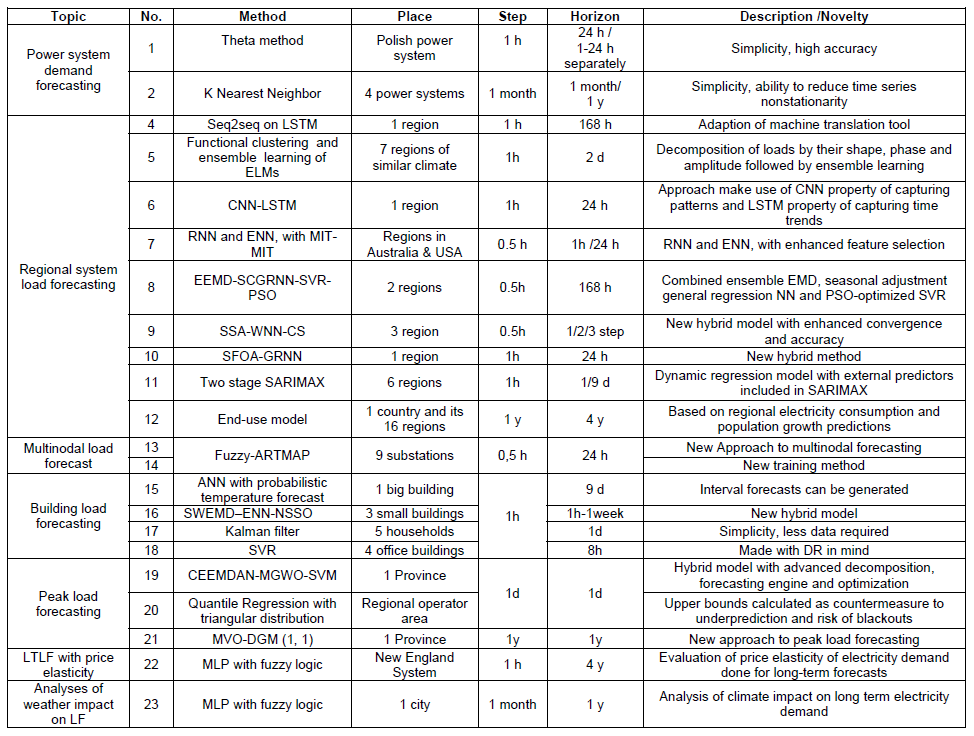
جدول ۱: جنبههای پیشبینی تقاضای الکتریکی در ادبیات
تحلیل کیفیت توان و نیاز به بهبود
.
جدول ۲: جنبههای پیشبینی جریانهای قدرت در ادبیات
پیشبینی تقاضای برق با استفاده از روشهای مدرن
.
ویژگیهای مطالعات درباره پیشبینی جریان قدرت یا تقاضای خالص
مقالات مطرح شده در بالا دارای ویژگیهای زیر هستند:
a) بازه پیشبینی کوتاه بوده و از ۵ دقیقه تا ۱ ساعت متغیر است.
b) اگرچه همه مطالعات افق پیشبینی را مشخص نکردهاند، در مواردی که این کار انجام شده، بازهای از ۱ ساعت تا ۷ روز را شامل میشود.
c) پیشبینی توان خالص هنوز به طور گسترده مورد بررسی قرار نگرفته، در حالی که بخشی از تحقیقات به زمانبندی توزیع از منابع متعارف اختصاص یافته است.
d) پیشبینیهای بار خالص عموماً مربوط به سیستمهایی با سیستمهای خورشیدی متصل بودهاند.
e) دو رویکرد رقابتی که در مطالعات مورد استفاده قرار گرفتهاند، شامل مدلهای جمعی تولید منابع تجدیدپذیر (RES) و پیشبینی بار واقعی به صورت موازی در مقابل مدل آبشاری (cascade model) است، که در آن پیشبینی تولید منابع تجدیدپذیر به عنوان ورودی مدل پیشبینی بار خالص استفاده میشود.ویژگیهای جنبههای مختلفی که در جدول ۲ ذکر شده است، به وضوح خلاصه شدهاند.
جمعبندی
مطالعات اخیر نشان دادهاند که مقیاسهای مختلف تحقیق در پیشبینی تقاضای الکتریکی، میتوانند به عنوان یک حوزه مطالعاتی مستقل و همچنین به عنوان یک “گرمکردن” قبل از آزمونهای جهانی مدلهای جذاب عمل کنند.
بازگشت به پیشبینی تقاضای ساختمان، توجه ویژهای را به خود جلب کرده است، زیرا این رویکرد تغییراتی را با خود به همراه دارد که نشان میدهد رفتار مصرفکننده لزوماً غیرقابل پیشبینی نیست. این میتواند به عنوان یک نقطه عطف مهم در توسعه سیستمهای پیشبینی تقاضا و/یا تولید سازگار، چه به صورت پایین به بالا (bottom-up) و چه به صورت بالا به پایین (top-down) لحاظ شود.
پیشبینیهای جریان قدرت در ادبیات اخیر کمسابقه است و زمانی که منتشر میشوند، معمولاً به طور ضعیفی با این موضوع مرتبط هستند. به وضوح، پیشبینیهای چنین فرآیندهایی پیچیدهتر از پیشبینیهای صرفاً تقاضا یا تولید هستند، اما این واقعیت نباید عامل محدودکنندهای برای مطالعات به شمار آید.
به نظر میرسد که دو رویکرد در زمینه مطالعات جریان قدرت در حال شکلگیری هستند، هر چند بدون وقوع مطالعات جدید در آینده نمیتوان یک رویکرد را بر دیگری برتری داد.
علاوه بر این، با توجه به افزایش نفوذ منابع تجدیدپذیر (RES) در سیستمهای قدرت و نفوذ روزافزون خودروهای الکتریکی و ایستگاههای شارژ آنها، توسعه و استفاده بهینه از پیشبینیها ضروری به نظر میرسد.
.
.
منابع (REFERENCES):
Dudek G, Short-term load forecasting using Theta method, 14th International Scientific Conference “Forecasting in Electric Power Engineering” (PE 2018)E3S Web of Conferences 84, 01004 (2019), https://doi.org/10.1051/e3sconf /20198401004
Dudek G., Pełka P., Prognozowanie miesięcznego zapotrzebowania na energię elektryczną metodą k najbliższych sąsiadów, Przeglad Elektrotechniczny 1(4), (2017), 64-67
Popławski T., Dudek G., Łyp J., Forecasting methods for balancing energy market in Poland, Electrical Power and Energy Systems, 65 (2015) 94–101
Gong G., An X, Mahato N.K , Sun S., Chen S.,Wen Y., Research on Short-Term Load Prediction Based on Seq2seq Model, Energies, 2019, 12, 3199
Rodrigues F., Trindade A., Load forecasting through functional clustering and ensemble learning, Knowl Inf Syst, 57 (2018), 229–244
Tian C., Ma J., Zhang C., Zhan P., A Deep Neural Network Model for Short-Term Load Forecast Based on Long Short-Term Memory Network and Convolutional Neural Network, Energies,11 (2018), 3493
Ghadimi N., Akbarimajd A., Shayeghi H., Abedinia O., Two stage forecast engine with feature selection technique and improved meta-heuristic algorithm for electricity load forecasting, Energy, 161 (2018), 130-142منابع (References)
[۸] Li W., Yang X., Li H., Su L., رویکرد ترکیبی پیشبینی (Hybrid Forecasting Approach) که از شبکه عصبی (GRNN) و الگوریتم (SVR) برای پیشبینی تقاضای برق استفاده میکند، Energies, ۲۰۱۷, ۱۰, ۴۴.
[۹] Xiao L., Shao W., Yu M., Ma J., Jin C., رویکرد ترکیبی از شبکه عصبی موجل (Wavelet Neural Network) با استفاده از الگوریتم بهبهبود (improved cuckoo search) برای پیشبینی عملکرد سامانه انرژی الکتریکی، Applied Energy, ۱۹۸ (۲۰۱۷), ۲۰۳‑۲۲۲.
[۱۰] Hu R., Wen S., Zeng Z., Huang T., مدل پیشبینی کوتاهمدت بارگیری بر پایهٔ شبکه عصبی بازگشتی (Generalized Regression Neural Network) با بهبهابی (decreasing step fruit fly optimization)، Neurocomputing, ۲۲۱ (۲۰۱۷), ۲۴‑۳۱.
[۱۱] Tarsitano A., Amerise I.L., پیشبینی کوتاهمدت بارگیری با استفاده از مدل SARIMAX على دو مرحلهای، Energy, ۱۳۳ (۲۰۱۷), ۱۰۸‑۱۱۴.
[۱۲] Sowiński J., پیشبینی تقاضای برق در منطقه، E3S Web of Conferences ۸۴, ۰۱۰۱۰ (۲۰۱۹)، https://doi.org/۱۰.۱۰۵۱/e3sconf/۲۰۱۹۸۴۰۱۰۱۰.
[۱۳] Abreu T., Amorim A. J., Santos-Junior C.R., Lotufo A.D.P., Minussi C.R., پیشبینی بار چندلایه برای سامانههای توزیع با بهرهگیری از شبکه عصبی fuzzy‑artmap، Applied Soft Computing, ۷۱ (۲۰۱۸), ۳۰۷‑۳۱۶.
[۱۴] Amorim A.J., Abreu T.A., Tonelli‑Neto M.S., Minussi C.R., فرمulation جدید پیشبینی بار کوتاهمدت چندلایه مبتنی بر adaptive resonance theory با آموزش معکوس، Electric Power Systems Research, ۱۷۹ (۲۰۲۰), ۱۰۶۰۹۶.
[۱۵] Xu L., Wang S., Tang R., پیشبینی ممکن بار برای ساختمانها با در نظر گرفتن عدم قطعیت مرتبط با پیشبینی آب و بار پیک، Applied Energy, ۲۳۷ (۲۰۱۹), ۱۸۰‑۱۹۵.
[۱۶] Mohammadi M., Talebpour F., Safaee E., Ghadimi N., Abedinia O., پیشبینی بار کوچک مقامی ساختمان با بهرهگیری از موتور پیشبینی ترکیبی، Neural Process Letters, ۴۸ (۲۰۱۸), ۳۲۹‑۳۵۱.
[۱۷] Zheng Z., Chen H., Luo X., رویکرد مبتنی بر فیلتر کالنمن (Kalman filter) برای پیشبینی بار کوتاهمدت در خانگی، Applied Energy, ۲۵۰ (۲۰۱۹), ۸۸۲‑۸۹۴.
[۱۸] Chen Y., Xu P., Chu Y., Li W., Wu Y., Ni L., Bao Y., Wang K., پیشبینی بار الکتریکی کوتاهمدت با استفاده از مدل SVR (Support Vector Regression) برای محاسبه خط پایه تأثیر تقاضا بر ساختارهای اداری، Applied Energy, ۱۹۵ (۲۰۱۷), ۶۵۹‑۶۷۰.
[۱۹] Dai Sh., Niu D., Li Y., پیشبینی روزانه بار پیک بر پایهٔ تجزیه کامل همبازکال Ensemble Empirical Mode Decomposition، Noise و ماشین بردار کم_vector (SVM) بهینهشده با استفاده از الگوریتم Modified GreyWolf Optimization، Energies, ۲۰۱۸, ۱۱, ۱۶۳.
[۲۰] Elamin N., Fukushige M., مدل بازسازی خطی برای پیشبینی تقاضی پیک با بهرهگیری از روش تراکم توزیعی بهمنظور جلوگیری از قطع برق، International Journal of Energy Economics and Policy, ۲۰۱۸, ۸(۵), ۱۱۹‑۱۲۴.
[۲۱] Zhao H., Han X., Guo S., مدل DGM (۱,۱) بهینهشده با MVO (Multi‑verse Optimizer) برای پیشبینی بار پیک سالانه، Neural Computation & Applications, ۳۰ (۲۰۱۸), ۱۸۱۱‑۱۸۲۵.
[۲۲] Miranda S.T., Abaide A., Sperandio M., Santos M.M., Zanghi E., کاربرد شبکههای عصبی مصنوعی و منطق fuzzy برای پیشبینی بار طولانیمدت با در نظر گرفتن انعطافپذیری قیمت تقاضای الکتریکی، International Transactions on Electrical Energy Systems, ۲۸ (۲۰۱۸), e2606.
[۲۳] Ali D., Yohanna M., Ijasini P.M., Garkida M.B., کاربرد fuzzy‑Neuro برای مدلسازی تأثیر پارامترهای آبوهواری بر بار الکتریکی بر پایهٔ پیشبینی طولانیمدت، Alexandria Engineering Journal, ۵۷ (۲۰۱۸), ۲۲۳‑۲۳۳.
[۲۴] Rajanarayan Prusty B., Debashisha Jena, پیشبینی احتمالی فضایی‑زمانی با در نظر گرفتن دمایههای خورشیدی، International Transactions on Electrical Energy Systems, ۲۹ (۲۰۱۹), no. ۵.
[۲۵] Fang X, Hodge B‑M, Du E., Zhang N., Li F., مدلگذاری همهمگونی زمانی‑فضایی خورشید و بادی برای بهینهسازی جریان در چند‑صحنه (multi‑interval optimal power flow): رویکرد ماتریس همبازکال ناهمهمگون، Applied Energy, ۲۳۰ (۲۰۱۸), ۵۳۱‑۵۳۹.
[۲۶] Kathiravan R., Devi R. P. K., مدل بهینهای جریان قدرتمند (optimal power flow) با در نظر گرفتن خورشید، بادی و ترکیبات خورشید‑حرارتی بهصورت بسته در سامانه انرژی بازگشایی هند، INTERNATIONAL JOURNAL OF GREEN ENERGY, ۱۴ (۲۰۱۷), NO. ۱۱, ۹۳۴‑۹۵۰.
[۲۷] Massidda L., Marrocu M., جدایی تأثیر آبوهواری از عادتهای کاربری برای سامانه بهینهسازی پیشبینی بار الکتریکی، Energies, ۲۰۱۷, ۱۰, ۲۱۷۱.
[۲۸] Haupt S.E, Dettling S., Williams J. K., Pearson J., Jensen T., Brummet T., Kosovic B., Wiener G., McCandles T., Burghardt C., گروهبندی پیشبینی بار و خورشید توزیعشده، Solar Energy, ۱۵۷ (۲۰۱۷), ۵۴۲‑۵۵۱.
[۲۹] Kaur A., Nonnenmacher L., Coimbra C.F.M., پیشبینی بار خالی برای شبکههای انرژی با نفوذ بالا از منابع تجدیدپذیر، Energy, ۱۱۴ (۲۰۱۶), ۱۰۷۳‑۱۰۸۴.
[۳۰] Sepasi S., Reihani E., Howlader A.M., Roose L.R, Matsuura M. M., پیشبینی بسیار کوتاهمدت بار در سامانه توزیع با نفوذ بالا خورشید، Renewable Energy, ۱۰۶ (۲۰۱۷), ۱۴۲‑۱۴۸.
[۳۱] Wang Y., Zhang N., Chen Q., Kirschen D.S., Li P., Xia Q., پیشبینی ممکن بار شبکه با بهرهگیری از دادهها برای نفوذ بالا از خورشید پشت‑دورآتی (behind‑the‑meter PV)، IEEE TRANSACTIONS ON POWER SYSTEMS, ۳۳ (۲۰۱۸), NO. ۳.
[۳۲] Li Y., Wen Z., Cao Y., Tan Y., Sidorov D., Panasetsky D., رویکرد ترکیبی پیشبینی با تنظیم خودکار مدل برای پیشبینی غنی انرژی و بار در جامعه هوشمند، Energy, ۱۲۹ (۲۰۱۷), ۲۱۶‑۲۲۷.
نویسندگان: مهندس مهری موصل (mgr inż.) مارسلین کاپیت، پِولیتکنیکا وارسارکا، مؤسسه الکترو مهندسی، خیابان Косecоwa ۷۵، ۰۰‑۶۶۲ وارسارکا، ایمیل: marcin.kopyt@ien.pw.edu.pl.
Resource & Publisher Item Identifier: PRZEGLĄD ELEKTROTECHNICZNY، ISSN ۰۰۳۳‑۲۰۹۷، ر. ۹۶، شماره ۱۱/۲۰۲۰، doi:۱۰.۱۵۱۹۹/۴۸.۲۰۲۰.۱۱.۰۲
Publisher: PQBlog
Electrical Engineer
View more posts
پرسشهای متداولپیشبینی کیفیت توان چه اهمیتی دارد؟پیشبینی کیفیت توان اجازه میدهد تا برنامهریزی بهتری برای استفاده بهینه از انرژی الکتریکی داشته باشیم.چگونه میتوان کیفیت توان را اندازهگیری کرد؟کیفیت توان معمولاً با استفاده از آنالایزرهای مخصوص و دستگاههای اندازهگیری الکتریکی انجام میشود.فیلتر هارمونیک چیست و چرا استفاده میشود؟فیلتر هارمونیک دستگاهی است که برای حذف هارمونیکهای ناخواسته از سیستمهای برقی استفاده میشود و به بهبود کیفیت توان کمک میکند.
منبع: powerquality.blog - پیشبینیهای جریان انرژی
- مدلهای وابستگی بین جریان بار و تولید RES
- پیشبینیهای انرژی (net)
- Features of electricity demand forecasts
- Power flow forecasts
- Models of dependencies between load flows and RES generation (Renewable Energy Sources)
- مدلهای وابستگی بین جریان بار و تولید RES (Renewable Energy Sources)
- Net energy predictions (net)
- پیشبینیهای انرژی (net)
- پیشبینیهای انرژی (net)
- ویژگیهای پیشبینی تقاضای برق
- پیشبینیهای جریان انرژی
- مدلهای وابستگی بین جریان بار و تولید RES (Renewable Energy Sources)
- پیشبینیهای انرژی (net)
- ویژگیهای مطالعات درباره پیشبینی جریان قدرت یا تقاضای خالص
- جمعبندی
- منابع (REFERENCES):
- پرسشهای متداول
فهرست
- 1 چکیده
- 2 مقدمه
- 3 پیشبینیهای تقاضای برق
- 4 پیشبینیهای تقاضای چندنود
- 5 پیشبینیهای تقاضای ساختمانی
- 6 پیشبینیهای بار قله
- 6.1 ویژگیهای پیشبینی تقاضای برق
- 6.2 پیشبینیهای جریان انرژی
- 6.3 مدلهای وابستگی بین جریان بار و تولید RES
- 6.4 پیشبینیهای انرژی نett
- 6.5 . Now ensure we didn’t miss any paragraph content. We also need to keep any [IMAGE_n] placeholders, but there are none. Now make sure the HTML is valid: Use
- 6.6 headings,list, paragraphs. Use where useful. We need to include for English terms on first mention. Let’s embed them. We need to add parentheses with English term after Persian term for first mention. Let’s go through and embed English terms. Paragraph about table: “ویژگیهای مختلفی که در بالا ذکر شد، در جدول ۱ خلاصه شده است.” The English term “Table” is already English but we need to put English term in parentheses on first mention. But we are using the word “جدول” (table) and we have “جدول ۱”. The English term “Table” is not in Persian; we could write “جدول (Table) ۱”. But the instruction says “English term in parentheses on first mention”. So when we first mention “جدول”, we should put “(Table)” after it. So maybe “جدول (Table) ۱”. Let’s adjust: “در جدول (Table) ۱ خلاصه شده است.” Similarly, we need to embed English terms for “load flow”, “PV”, “FFT”, “PCA”, “GARCH”, “residuals”, “RES”, “WT”, “cost function”, “penalty”, “incentives”, “threshold”, “prediction error”. We need to ensure we put English term in parentheses after Persian term on first mention. Let’s identify occurrences: – “جریان بار (load flow)” we used “جریان بار (load flow)” already? In our paragraph we wrote “جریان بار (load flow)”. Good. – “شبکههای خورشیدی (PV)” we wrote “شبکههای خورشیدی (PV)”. Good. – “FFT (Fast Fourier Transform)” we wrote “FFT (Fast Fourier Transform)”. Good. – “PCA (Principal Component Analysis)” we wrote “PCA (Principal Component Analysis)”. Good. – “GARCH (Generalized Autoregressive Conditional Heteroskedasticity)” we wrote “GARCH (Generalized Autoregressive Conditional Heteroskedasticity)”. Good. – “residuals” we wrote “residuals” maybe we wrote ” Jéricho”? Actually we wrote “Jericho”? That was a mistake. Need to adjust: we wrote “Jericho (standard deviation of residuals)” but that is wrong. Let’s correct: “GARCH (Generalized Autoregressive Conditional Heteroskedasticity) که شامل تغییرات زمانی (time variability) همانطور که انحرافهای ایج хочу (standard deviation of residuals) را دارد”. But we need to embed “residuals” in parentheses after Persian term “ریزیدوا” maybe “ریزیدوا (residuals)”. So we need to adjust that part. – “RES (Renewable Energy Sources)” we wrote “RES (Renewable Energy Sources)” maybe we wrote “RES (Renewable Energy Sources)”? We wrote “RES” but not parentheses. Let’s embed: “تولید منابع تجدیدپذیر (RES) (Renewable Energy Sources)”. Actually first mention of RES we can write “تولید انرژی تجدیدپذیر (RES) (Renewable Energy Sources)”. Let’s adjust. – “WT (Wind Turbine)” we need to embed “WT (Wind Turbine)”. We wrote “توربینهای بادی (WT)”. Good. – “cost function (cost function)” we wrote “تابع هزینه (cost function)”. Good. – “penalty (penalty)” we wrote “جریمه (penalty)”. Good. – “incentives (incentives)” we wrote “مشوق (incentives)”. Good. – “threshold (threshold)” we wrote “آستانه (threshold)”. Good. – “prediction error (prediction error)” we wrote “خطای پیشبینی (prediction error)”. Good. – “NWP (Numerical Weather Prediction)” we wrote “NWP (Numerical Weather Prediction)”. Good. – “bias correction (bias correction)” we wrote “بازاصلاح (bias correction)”? Actually we wrote “رفعگرم کردن (bias correction)”. Let’s embed: “رفعگرم (bias correction)”. But first mention we need English term in parentheses after Persian term. So “باز Asher? Actually “bias correction” translation could be “بهروز رسانی (bias correction)” maybe better “کاهش خطای (bias correction)”. But maybe we can just say “bias correction (bias correction)”. Let’s write “باز اصلاح (bias correction)”. That might be okay. – “multinodal (multinodal)” we wrote “چندلایه (multinodal)”. Good. – “distributed PVs (distributed PV)” we wrote “مولدهای توپیکال خورشیدی (distributed PVs)”. Might need to embed “distributed PV (distributed PV)”. Let’s embed after Persian term: “مولدهای توزیعشده (distributed PV)”. But we used “توزیعشده”? Let’s adjust: “مولدهای توزیعشده (distributed PV)”. Actually “distributed PV” is phrase; we can say “مولدهای توزیعشده (distributed PV)”. Good. – “SVR (Support Vector Regression)” we wrote “SVR (Support Vector Regression)”. Good. – “HVAC (Heating, Ventilation, and Air Conditioning)” we wrote “HVAC (Heating, Ventilation, and Air Conditioning)”. Good. – “bias correction” we need to embed maybe “bias correction (bias correction)”. We’ll embed. Now need to adjust the paragraphs accordingly. Given the complexity, we need to rewrite paragraphs with these embeddings. Let’s rewrite each paragraph carefully. Paragraph after list “_features of electricity demand forecasts” we already have list items; those include English terms like “ANN”, “EMD”. We need to embed “ANN (Artificial Neural Networks)”? Actually we wrote “شبکههای عصبی مصنوعی (ANN)”. That’s fine. “EMD (Empirical Mode Decomposition)” we wrote “ورuanuatan? Actually we wrote “ورواچ? We wrote “ورaru? We wrote “ورواهمی? Let’s embed: “EMD (Empirical Mode Decomposition)”. So we need to embed after Persian term: “تحلیلهای حالتنامitarian? Actually “EMD (Empirical Mode Decomposition)”. So we can write “EMD (Empirical Mode Decomposition)”. Already done. Now the list items themselves contain English terms: “ANN (Artificial Neural Networks)” we have “(ANN)” after Persian term. Good. Now the paragraph referencing Table ۱: we need to embed “(Table)” after “جدول”. So “جدول (Table) ۱”. We’ll wrap in . Now the subheading “Power flow forecasts” we used پیشبینیهای جریان انرژی
- 6.7 مدلهای وابستگی بین جریان بار و تولید RES
- 6.8 پیشبینیهای انرژی (net)
- 6.9 Features of electricity demand forecasts
- 6.10 Power flow forecasts
- 6.11 Models of dependencies between load flows and RES generation (Renewable Energy Sources)
- 6.12 مدلهای وابستگی بین جریان بار و تولید RES (Renewable Energy Sources)
- 6.13 Net energy predictions (net)
- 6.14 پیشبینیهای انرژی (net)
- 6.15 پیشبینیهای انرژی (net)
- 6.16 ویژگیهای پیشبینی تقاضای برق
- 6.17 پیشبینیهای جریان انرژی
- 6.18 مدلهای وابستگی بین جریان بار و تولید RES (Renewable Energy Sources)
- 6.19 پیشبینیهای انرژی (net)
- 6.20 ویژگیهای مطالعات درباره پیشبینی جریان قدرت یا تقاضای خالص
- 7 جمعبندی
- 8 منابع (REFERENCES):
- 9 پرسشهای متداول
چکیده
پیشبینی تقاضای برق یکی از مهمترین ابزارهایی است که در برنامهریزی کار سیستمهای قدرت به کار میرود. با این حال، با افزایش شیوع منابع انرژی تجدیدپذیر (RES)، استفاده از روشهای سنتی برای پیشبینی تقاضا بهتدریج غیرممکن میشود. برای ایندلیل، این مقاله بهعنوان دومین بخش از بررسی گسترده ادبیات اخیر در زمینهٔ تولید RES، تقاضی برق و جریانهای قدرت میپردازد و جنبههای دوم و سوم را بررسی میکند.
مقدمه
این مقاله دومین قسمت از یک بررسی جامع دربارهٔ جنبههای مختلف پیشبینی جریان قدرت است. به دلیل حجم زیاد محتوا، این مقاله به دو بخش تقسیم شده است. بخش اول به پیشبینی تولید اختصاص دارد، در حالی که بخش دوم به پیشبینی تقاضی برق و جریانهای قدرت میپردازد.
مفاهیم پایهای این بررسی و معرفی گستردهتری که در بخش اول ارائه شده، شامل تنظیم武器 کارگاههای مختلف، توصیف ویژگیهای مشترک، تفاوتهای کلیدی و نقصهای مرتبط با هر مفهوم هستند.
پیشبینیهای تقاضای برق
مطالعهای اخیر دربارهٔ پیشبینی تقاضی برق میتوانند به هفت دسته اصلی تقسیم شوند:
- پیشبینی تقاضای سامانه
- پیشبینی تقاضای برای یک منطقه
- پیشبینیهای تقاضایچند نقطهای
- پیشبینی تقاضای ساختمان
- پیشبینی بار اوج
- پیشبینی تقاضای بلندمدت با تحلیلهای کشش قیمت
- تحولات تأثیر آب و هوا بر پیشبینیهای بار بلندمدت
پیشبینیهای تقاضای برق سامانه
دودک [۱] روش تِتا (Theta method) را برای پیشبینی تقاضای برق در سامانه توصیه میکند. این روش به دلیل سادگی و دقت در پیشبینی پدیدههای دارای نوسانات مختلف، مورد توجه قرار میگیرد. نویسنده این روش را در دو شکل استاندارد (STM) و بهینهسازی دینامیک (DOTM) مقایسه کرده و برای هر دو برای پیشبینی ۲۴‑ساعته آینده به کار میگیرد. از میان تمام واریантها، مدل ARIMA کمترین دقت را نشان داد و سایر مدلها نتایج مشابهی ارائه دادند.
کار دوم نویسندگان [۲] چندین کشور دیگر را بهعنوان نمونه تست در نظر میگیرند. برای پیشبینی تقاضای ماهانهٔ سامانههای قدرتی لهستان، آلمان، فرانسه و اسپانیا، روش نزدیکترین همسایه (k‑nearest neighbor) پیشنهاد میشود. یک مدل شامل پیشبینی ۱۲ ماهه و مدل دیگر شامل ۱۲ زیر‑مدل است که هر کدام یک ماه را پیشبینی میکند. سادگی این روش میتواند بهعنوان مزیت شناخته شود.
پیشبینیهای تقاضای برق برای مناطق
تفاوت اساسی بین پیشبینی بار منطقهای و بار سامانه در مقیاس اندازهگیری است. واضح است که اجرای یک روش در یک مجموعه داده میتواند سطوح خطا متفاوتی در مجموعههای دیگر ایجاد کند؛ بهعنوان مثال، به دلیل ورود متفاوت RES در مقیاس منطقهای و کل سامانه یا تمرکز متفاوت مصرفکنندگان. با این حال، تست روشها در مناطق گوناگون راحتتر از بررسی یک سامانه کامل است. در این زمینه، چندین مطالعه انجام شده است [۴‑۱۱] و تعداد مناطق مورد تست بین ۱ تا ۷ متغیر بوده است.
برای پیشبینیهای منطقهای، راهکارهای رایج ترکیبی و هیبریدی بودند که از شبکههای عصبی مصنوعی (ANNs) بهعنوان یک مؤلفه استفاده میکردند [۴‑۱۰]. مدلهای آماری بهندرت مورد استناد قرار میگرفتند [۱۱]. بهعنوان مثال، گونگ و همکارانش [۴] مدل_seq2seq را پیشنهاد میدهند که بهطور پیشفرض بهعنوان ابزار تبدیل متنی مورد استفاده قرار میگیرد. در این راهحل، شبکههای LSTM بهعنوان کدک و رمزگذار برای استخراج ویژگیها به کار میروند. برای محدود کردن ابعاد خروجی، مکانیزم توجه (Attention Mechanism) بهعنوان یک روش انتخابی به کار میرود. پیشبینیها با یک شبکههای RLSTM تولید میشوند که برای جلوگیری از یادگیری بیش از حد، تنظیم شدهاند.
رودریگس و ترینیده [۵] رویکردی متفاوت و جالبتری را مطرح میکنند. با بهرهگیری از خوشهبندی عملکردی، آنها منحنیهای روزانهٔ بار مشابه را بر پایهٔ فاز و دامنه آنها تقسیم میکنند. برای هر گروه از منحنیها، مدلهای ELM ساخته و سپس پیشبینیهای نهایی بهعنوان میانگین این مجموعه پیشبینیها محاسبه میشوند. این روش در یک منطقه آب و هواهمگن تست شده و تأثیر عوامل همچون دما بر پیشبینیها کاهش مییابد. با این حال، این میتواند در مقیاس بزرگتر بهعنوان یک عامل محدودکننده شناخته شود.
یک مثال جالب از یک مدل ترکیبی در [۶] ارائه میشود. مدل موازی CNN‑LSTM توانایی ترکیب قابلیت تعمیمپذیری CNN و توانایی نگاشت وابستگیهای بلندمدت LSTM را بهکار میگیرد. پیشبینیهای نهایی با ماژول ادغام ویژگیها تولید میشوند.
پیشبینیهای تقاضای چندنود
مطالعات مرتبط مانند [13, 14] تنها به تعداد کمی از پژوهشهای پیشبینی بار چندنود پرداختهاند. در [13]، به منظور پیشبینی بار ۹ زیرایستگاه، از شبکه عصبی fuzzy-ARTMAP با عامل مشارکت بار سراسری استفاده شده است. این رویکرد شامل یک مدل پیشبینی بار سراسری و مدلهای محلی کوچکتر است، که هر کدام برای یک زیرایستگاه طراحی شدهاند. این مدلهای محلی بهصورت موازی کار میکنند و ورودی آنها از خروجی مدل سراسری و عامل مشارکت در زمان پیشبینی، بهویژه برای دو ساعت قبل، تغذیه میشود. چنین راهحلی قادر است پیشبینیها را در سطوح مختلف سلسلهمراتبی هماهنگ کند و از این طریق دقت پیشبینیهای نودی را افزایش دهد. همچنین، FANN میتواند در مقیاسهای بزرگتری برای تعداد بیشتری از نودها نیز مورد استفاده قرار گیرد، به دلیل ثبات و استحکام ساختاری آن.
مقاله [14] بر مبنای کار [13] توسعه یافته است. این مقاله نسبت به فرآیندهای یادگیری استاندارد دارای رویکردی متفاوت است؛ زیرا در [14]، خروجیها به ورودیها نگاشت شدهاند، که این فرآیند به نام «آموزش معکوس» شناخته میشود. هدف این روش کاهش خطای ذاتی در فرآیند آموزش استاندارد است.
پیشبینیهای تقاضای ساختمانی
مقالههای مرتبط با پیشبینی بار ساختمانی [15-18] در سالهای اخیر بهشدت مورد توجه قرار گرفتهاند. در مقاله [15]، پیشبینی بار بهعنوان ابزاری مکمل برای سامانههای مدیریت انرژی ساختمانها (EMSها) طراحی شده است. این مدلها براساس پیشبینیهای دمای هوای ساعتی و رطوبت، با استفاده از دادههای تقویمی و محدودیتهای دمایی، بههمراه مدلهای بار غیرعادی قلهای تفاضلی ساخته شدند. سپس این مدلها در یک مدل پیشبینی احتمالی واحد ترکیب شدند.
در مقابل کارهای پیشین، هدف مقاله [16] پیشبینی برای سه ساختمان کوچک بود، نه یک ساختمان بزرگ. این پژوهش شامل تجزیه دادهها بهوسیله SWEMD، استخراج ویژگیها با استفاده از روش مبتنی بر همبستگی پیرسون و پیشبینی با شبکه ENN بههمراه الگوریتم NSSO بود.
شکل ۲: مقایسه روشهای پیشبینی بار ساختمانی
در مقاله [17]، تعداد بیشتری از اشیاء مورد بررسی قرار گرفتهاند. در این تحقیق، تفکیک زمانی بهینه برای پیشبینیهای مختلف در پنج خانوار (سطح تجهیز/ سطح منطقه/ سطح خانوار) مورد تحلیل قرار گرفت. تفکیکهای زمانی شامل ۳۰، ۶۰ و ۱۲۰ دقیقه بود و سطح منطقه به اتاقهای خانوار اشاره داشت. این تحلیلها با پیشبینیهای تقاضای توان خانوار و توان تجمیعی از پیشبینیهای مجزا در سطوح فضایی پایینتر دنبال شد. رویکرد پایین-به-بالا (Bottom-up) با استفاده از فیلتر کالمن (Kalman’s Filter) جهت دستیابی به قابلیت تعمیم کافی بهکار گرفته شد، در حالی که نتایج با پیشبینیهای تولیدی توسط شبکه LSTM مقایسه گردید که عملکرد کلی کمتری را نشان میدهد. این رویکرد پیشنهادی بهعنوان یک تغییر جالب در رفتار انسان بهعنوان یک عامل غیرقابل پیشبینی مطرح میشود و میتواند بهطور بالقوه در ابزارهای کمکی میکروگرید ادغام شود.
در مقاله [18]، نگارندگان به انتخاب ساختمانهای مختلفی پرداختهاند و تمرکز آنها بیشتر بر ساختمانهای اداری بوده است. این انتخاب منجر به کاهش رفتارهای غیرقابل پیشبینی مصرفکنندگان در این مطالعه شد. این روش با در نظر گرفتن DSR طراحی شده است و برای این منظور از مدل SVR بهره برده شده است.
پیشبینیهای بار قله
این جنبه از پیشبینی تقاضا در مقالات [19-21] مورد بررسی قرار گرفته است. به منظور پیشبینی تقاضا در سطح استان، Dai، Niu و Li [۱۹] از روش تجزیه پیشرفته CEEMDAN استفاده کرده که سپس با یک موتور پیشبینی متغیر از SVM بهینهسازی شده توسط MGWO پیگیری میشود. در اینجا، CEEMDAN برای حذف نویز از دادهها بهکار رفته و GWO نیز برای جلوگیری از گیر کردن در بهینههای محلی، اصلاح شده است.
We need to produce improved Persian HTML fragment with natural, engaging tone, preserving structure, all content, no markdown, only HTML tags. Must use where useful, vary sentence rhythm, fix awkward phrasing. Include each paragraph, list items, etc. Must keep placeholders [IMAGE_n] if any, but none.
We need to output only the HTML fragment.
Let’s construct.
HTML structure:
ویژگیهای پیشبینی تقاضای برق
- a) افق کوتاهمدت که در اکثر مقالات از ۱ تا ۲۴ ساعت-span (hour) میرسد.
- b) استفاده نازک از آفیقهای طولانیمدت که معمولاً تا ۹ روز میرسد.
- c) انتشار periodic ( periódیک) پیشبینیهای متوسطمدت.
- d) تحلیلیهای پیشرفته که یکی از مهمترین بخشهای مدلها هستند؛ واریانتهای EMD (Empirical Mode Decomposition) پرکاربرد هستند.
- e) استفاده رایج از شبکههای عصبی مصنوعی (ANN) بهعنوان ابزار پیشبینی.
- f) تقاضای منطقهای برق موضوع محبوبترین است.
- g) پیشبینیهای چندلایه (multinodal) که هنوز بهطور گسترده بررسی نشده اما بهطور گسترده مورد استفاده قرار میگیرند.
- h) جذابیتهایی مانند بازگشت (re‑emergence) پیشبینی تقاضای ساختمانها.
- i) استفاده غالب از روشهای ترکیبی (hybrid) و ترکیبی.
ویژگیهای مختلفی که در بالا ذکر شد، در جدول ۱ خلاصه شده است.
پیشبینیهای جریان انرژی
- a مدلهای وابستگی میان جریان بار و تولید منابع تجدیدپذیر (RES) (Renewable Energy Sources) [۲۴‑۲۶]
- b پیشبینیهای انرژی نett (net) [۲۷‑۳۲]
مدلهای وابستگی بین جریان بار و تولید RES
مطالعین این حوزه شامل مدلهایی هستند که برای بهینهسازی (better dispatch) تأمین از منابع سنتی بهکار میروند و بر اصلاحات دقیق جریان بار (load flow, PLF) تکیه دارند. این مقالهها با روشهای مختلفی این اصلاحات را انجام میدهند. Prusty & Jena [۲۴] با استفاده از مدل زمانی‑فضایی پیشین برای اشیاء، PLF سیستم با ورود به شبکههای خورشیدی (PV)opropyl (PV). بهعنوان پایهٔ این مدل از متدهای FFT (Fast Fourier Transform) و PCA (Principal Component Analysis) بهرهبرداری میشود، در حالی که از مدل GARCH (Generalized Autoregressive Conditional Heteroskedasticity) برای پیشبینی استفاده میشود که شامل تغییرات زمانی (time variability) Jericho (standard deviation of residuals) است. تأثیرات متفاوتی از RES توسطanged Fang, Hodge, Du, Zhang & Li [۲۵] بررسی شده است. بر پایه سریهای تاریخی خطای پیشبینی تولید توربینهای بادی (WT) این”:[۲۵] یک ماتریس همبستگی نازک (sparse correlation covariance matrix) برای مپ کردن همبستگی فضایی‑زمانی پیشبینیهای توربینها توسعه دادهاند. با استفاده از این ماتریس، مجموعهای جدید از معادلات، نابرابریها و محدودیتهایی برای جریان بار تعریف میشود. در این راهحل، امکان کنترل پارامتری که مسئول ثبات سیستم در برابر نابسامانی تقاضای WT (WT demand instability) است، وجود دارد. Kathiravan & Devi [۲۶] مطالعات مشابهی اما نسبتاً گستردهتری انجام دادند. نه تنها توربینهای بادی، بلکه منابع خورشیدی (solar) و حرارتی‑خورشیدی (heat&solar) نیز شامل شدند. برای هر منبع، نویسندگان یک تابع هزینه (cost function) بساختار کردند که شامل جریمه (penalty) برای کمبود تأمین شده و مشوق (incentives) برای تولید ثانویه در صورت کمبود قرار میداد. هر دو نوع جریمه و مشوق تنها پس از عبور از آستانه (threshold) مشخص خطای پیشبینی (prediction error) که در محاسبات گنجانده میشود، در نظر گرفته میشد.
پیشبینیهای انرژی نett
Massidda & Marrocu [۲۷] بهصورت ترکیبی (multinodal) به بررسی پیشبینیهای بارهای شبکههای توزیع خورشیدی (distributed PVs) پرداختند. با بهرهبرداری از اندازهگیریهای آبوهوایی، تقاوین تاریخی و دادههای آسمانی، آنها مدلهای موازی تولید خورشیدی و بارهای انرژی توسعه دادند. در این رویکرد، خروجی تولید خورشیدی بهعنوان ورودی برای مدل دوم مورد استفاده قرار میگیرد. برای رفعگرم کردن (bias correction) از مدلهای پیشین از NWP (Numerical Weather Prediction) بهرهبرداری شد. این دسته از تحقیقات با مشکلات بهدست آوردن داده از منابع مختلف مواجه بوده و یک مثال از راهحلهای خلاقانه برای رفع این مشکلات است. برای جبران کمبود بهدنبال تاریخچه تولید در ایستگاههای ماتهیوما (meteo measurement stations) محاسبهٔ توان بر پایهٔ شرایط آبوهوایی انجام شد و سپس نتایج به نسبت ظرفیت نصب کل در اطراف ایستگاهها مقیاس شد. برای پیشبینی درصد توان خروجی از یک مدل درختی (tree model) با اصلاح نزدیکترین همسایه به کار رفته است.
Kaur, Nonnenmacher & Coimbra [۲۹] پژوهش خود را بر پیشبینی بارهای شبکه دانشگاه (University grid) بنا کردند. با بهرهبرداری از SVR (Support Vector Regression)، دو نسخهٔ پیشبینی تولید کردند. در نسخهٔ اول، تقاضا و تولید خورشیدی دانشگاه بهصورت همزمان محاسبه و سپس برای محاسبه بار همکلسی (net demand) افزوده شد. در نسخهٔ دوم، پیشبینی تولید بهعنوان ورودی به مدل پیشبینی بار به کار رفت. مزیت این مطالعات این است که تأثیر عوامل محیطی بر تخریب پنلها را در نظر میگیرند. همچنین سیستم HVAC (Heating, Ventilation, and Air Conditioning) دانشگاه پیشنما بود و بهطور مستقل از کاربران عمل میکرد که این ویژگی میتواند موانenzi (obstacle) برای قابلانتقالیتی از راهحل پیشنهاد شده باشد.
We need to keep the list items anchored correctly: The list items in original headings have letters a) and b). We need to keep that labeling. In our HTML, we used a etc. Should we include parentheses? The original had “a)” and “b)”. We used just “a” with strong. Might be okay but better to keep the label exactly “a)” and “b)”? The instruction: “you can use where useful”. So we can wrap the label with . Could be a). Let’s adjust.
Also the list items for categories a) and b) we used a etc. Should keep the parenthesis maybe. Let’s do a) and b).
Also after those categories, we have subheadings “Models of dependencies between load flows and RES generation” and “Net energy predictions”. Those are headings; we used
.Now ensure we didn’t miss any paragraph content.
We also need to keep any [IMAGE_n] placeholders, but there are none.
Now make sure the HTML is valid: Use
headings,- list,
paragraphs. Use where useful.
We need to include for English terms on first mention. Let’s embed them.
We need to add parentheses with English term after Persian term for first mention.
Let’s go through and embed English terms.
Paragraph about table: “ویژگیهای مختلفی که در بالا ذکر شد، در جدول ۱ خلاصه شده است.” The English term “Table” is already English but we need to put English term in parentheses on first mention. But we are using the word “جدول” (table) and we have “جدول ۱”. The English term “Table” is not in Persian; we could write “جدول (Table) ۱”. But the instruction says “English term in parentheses on first mention”. So when we first mention “جدول”, we should put “(Table)” after it. So maybe “جدول (Table) ۱”. Let’s adjust: “در جدول (Table) ۱ خلاصه شده است.”
Similarly, we need to embed English terms for “load flow”, “PV”, “FFT”, “PCA”, “GARCH”, “residuals”, “RES”, “WT”, “cost function”, “penalty”, “incentives”, “threshold”, “prediction error”. We need to ensure we put English term in parentheses after Persian term on first mention.
Let’s identify occurrences:
– “جریان بار (load flow)” we used “جریان بار (load flow)” already? In our paragraph we wrote “جریان بار (load flow)”. Good.
– “شبکههای خورشیدی (PV)” we wrote “شبکههای خورشیدی (PV)”. Good.
– “FFT (Fast Fourier Transform)” we wrote “FFT (Fast Fourier Transform)”. Good.
– “PCA (Principal Component Analysis)” we wrote “PCA (Principal Component Analysis)”. Good.
– “GARCH (Generalized Autoregressive Conditional Heteroskedasticity)” we wrote “GARCH (Generalized Autoregressive Conditional Heteroskedasticity)”. Good.
– “residuals” we wrote “residuals” maybe we wrote ” Jéricho”? Actually we wrote “Jericho”? That was a mistake. Need to adjust: we wrote “Jericho (standard deviation of residuals)” but that is wrong. Let’s correct: “GARCH (Generalized Autoregressive Conditional Heteroskedasticity) که شامل تغییرات زمانی (time variability) همانطور که انحرافهای ایج хочу (standard deviation of residuals) را دارد”. But we need to embed “residuals” in parentheses after Persian term “ریزیدوا” maybe “ریزیدوا (residuals)”. So we need to adjust that part.
– “RES (Renewable Energy Sources)” we wrote “RES (Renewable Energy Sources)” maybe we wrote “RES (Renewable Energy Sources)”? We wrote “RES” but not parentheses. Let’s embed: “تولید منابع تجدیدپذیر (RES) (Renewable Energy Sources)”. Actually first mention of RES we can write “تولید انرژی تجدیدپذیر (RES) (Renewable Energy Sources)”. Let’s adjust.
– “WT (Wind Turbine)” we need to embed “WT (Wind Turbine)”. We wrote “توربینهای بادی (WT)”. Good.
– “cost function (cost function)” we wrote “تابع هزینه (cost function)”. Good.
– “penalty (penalty)” we wrote “جریمه (penalty)”. Good.
– “incentives (incentives)” we wrote “مشوق (incentives)”. Good.
– “threshold (threshold)” we wrote “آستانه (threshold)”. Good.
– “prediction error (prediction error)” we wrote “خطای پیشبینی (prediction error)”. Good.
– “NWP (Numerical Weather Prediction)” we wrote “NWP (Numerical Weather Prediction)”. Good.
– “bias correction (bias correction)” we wrote “بازاصلاح (bias correction)”? Actually we wrote “رفعگرم کردن (bias correction)”. Let’s embed: “رفعگرم (bias correction)”. But first mention we need English term in parentheses after Persian term. So “باز Asher? Actually “bias correction” translation could be “بهروز رسانی (bias correction)” maybe better “کاهش خطای (bias correction)”. But maybe we can just say “bias correction (bias correction)”. Let’s write “باز اصلاح (bias correction)”. That might be okay.
– “multinodal (multinodal)” we wrote “چندلایه (multinodal)”. Good.
– “distributed PVs (distributed PV)” we wrote “مولدهای توپیکال خورشیدی (distributed PVs)”. Might need to embed “distributed PV (distributed PV)”. Let’s embed after Persian term: “مولدهای توزیعشده (distributed PV)”. But we used “توزیعشده”? Let’s adjust: “مولدهای توزیعشده (distributed PV)”. Actually “distributed PV” is phrase; we can say “مولدهای توزیعشده (distributed PV)”. Good.
– “SVR (Support Vector Regression)” we wrote “SVR (Support Vector Regression)”. Good.
– “HVAC (Heating, Ventilation, and Air Conditioning)” we wrote “HVAC (Heating, Ventilation, and Air Conditioning)”. Good.
– “bias correction” we need to embed maybe “bias correction (bias correction)”. We’ll embed.
Now need to adjust the paragraphs accordingly.
Given the complexity, we need to rewrite paragraphs with these embeddings.
Let’s rewrite each paragraph carefully.
Paragraph after list “_features of electricity demand forecasts” we already have list items; those include English terms like “ANN”, “EMD”. We need to embed “ANN (Artificial Neural Networks)”? Actually we wrote “شبکههای عصبی مصنوعی (ANN)”. That’s fine.
“EMD (Empirical Mode Decomposition)” we wrote “ورuanuatan? Actually we wrote “ورواچ? We wrote “ورaru? We wrote “ورواهمی? Let’s embed: “EMD (Empirical Mode Decomposition)”. So we need to embed after Persian term: “تحلیلهای حالتنامitarian? Actually “EMD (Empirical Mode Decomposition)”. So we can write “EMD (Empirical Mode Decomposition)”. Already done.
Now the list items themselves contain English terms: “ANN (Artificial Neural Networks)” we have “(ANN)” after Persian term. Good.
Now the paragraph referencing Table ۱: we need to embed “(Table)” after “جدول”. So “جدول (Table) ۱”. We’ll wrap in .
Now the subheading “Power flow forecasts” we used
پیشبینیهای جریان انرژی
paragraphs. Use where useful.
We need to include for English terms on first mention. Let’s embed them.
We need to add parentheses with English term after Persian term for first mention.
Let’s go through and embed English terms.
Paragraph about table: “ویژگیهای مختلفی که در بالا ذکر شد، در جدول ۱ خلاصه شده است.” The English term “Table” is already English but we need to put English term in parentheses on first mention. But we are using the word “جدول” (table) and we have “جدول ۱”. The English term “Table” is not in Persian; we could write “جدول (Table) ۱”. But the instruction says “English term in parentheses on first mention”. So when we first mention “جدول”, we should put “(Table)” after it. So maybe “جدول (Table) ۱”. Let’s adjust: “در جدول (Table) ۱ خلاصه شده است.”
Similarly, we need to embed English terms for “load flow”, “PV”, “FFT”, “PCA”, “GARCH”, “residuals”, “RES”, “WT”, “cost function”, “penalty”, “incentives”, “threshold”, “prediction error”. We need to ensure we put English term in parentheses after Persian term on first mention.
Let’s identify occurrences:
– “جریان بار (load flow)” we used “جریان بار (load flow)” already? In our paragraph we wrote “جریان بار (load flow)”. Good.
– “شبکههای خورشیدی (PV)” we wrote “شبکههای خورشیدی (PV)”. Good.
– “FFT (Fast Fourier Transform)” we wrote “FFT (Fast Fourier Transform)”. Good.
– “PCA (Principal Component Analysis)” we wrote “PCA (Principal Component Analysis)”. Good.
– “GARCH (Generalized Autoregressive Conditional Heteroskedasticity)” we wrote “GARCH (Generalized Autoregressive Conditional Heteroskedasticity)”. Good.
– “residuals” we wrote “residuals” maybe we wrote ” Jéricho”? Actually we wrote “Jericho”? That was a mistake. Need to adjust: we wrote “Jericho (standard deviation of residuals)” but that is wrong. Let’s correct: “GARCH (Generalized Autoregressive Conditional Heteroskedasticity) که شامل تغییرات زمانی (time variability) همانطور که انحرافهای ایج хочу (standard deviation of residuals) را دارد”. But we need to embed “residuals” in parentheses after Persian term “ریزیدوا” maybe “ریزیدوا (residuals)”. So we need to adjust that part.
– “RES (Renewable Energy Sources)” we wrote “RES (Renewable Energy Sources)” maybe we wrote “RES (Renewable Energy Sources)”? We wrote “RES” but not parentheses. Let’s embed: “تولید منابع تجدیدپذیر (RES) (Renewable Energy Sources)”. Actually first mention of RES we can write “تولید انرژی تجدیدپذیر (RES) (Renewable Energy Sources)”. Let’s adjust.
– “WT (Wind Turbine)” we need to embed “WT (Wind Turbine)”. We wrote “توربینهای بادی (WT)”. Good.
– “cost function (cost function)” we wrote “تابع هزینه (cost function)”. Good.
– “penalty (penalty)” we wrote “جریمه (penalty)”. Good.
– “incentives (incentives)” we wrote “مشوق (incentives)”. Good.
– “threshold (threshold)” we wrote “آستانه (threshold)”. Good.
– “prediction error (prediction error)” we wrote “خطای پیشبینی (prediction error)”. Good.
– “NWP (Numerical Weather Prediction)” we wrote “NWP (Numerical Weather Prediction)”. Good.
– “bias correction (bias correction)” we wrote “بازاصلاح (bias correction)”? Actually we wrote “رفعگرم کردن (bias correction)”. Let’s embed: “رفعگرم (bias correction)”. But first mention we need English term in parentheses after Persian term. So “باز Asher? Actually “bias correction” translation could be “بهروز رسانی (bias correction)” maybe better “کاهش خطای (bias correction)”. But maybe we can just say “bias correction (bias correction)”. Let’s write “باز اصلاح (bias correction)”. That might be okay.
– “multinodal (multinodal)” we wrote “چندلایه (multinodal)”. Good.
– “distributed PVs (distributed PV)” we wrote “مولدهای توپیکال خورشیدی (distributed PVs)”. Might need to embed “distributed PV (distributed PV)”. Let’s embed after Persian term: “مولدهای توزیعشده (distributed PV)”. But we used “توزیعشده”? Let’s adjust: “مولدهای توزیعشده (distributed PV)”. Actually “distributed PV” is phrase; we can say “مولدهای توزیعشده (distributed PV)”. Good.
– “SVR (Support Vector Regression)” we wrote “SVR (Support Vector Regression)”. Good.
– “HVAC (Heating, Ventilation, and Air Conditioning)” we wrote “HVAC (Heating, Ventilation, and Air Conditioning)”. Good.
– “bias correction” we need to embed maybe “bias correction (bias correction)”. We’ll embed.
Now need to adjust the paragraphs accordingly.
Given the complexity, we need to rewrite paragraphs with these embeddings.
Let’s rewrite each paragraph carefully.
Paragraph after list “_features of electricity demand forecasts” we already have list items; those include English terms like “ANN”, “EMD”. We need to embed “ANN (Artificial Neural Networks)”? Actually we wrote “شبکههای عصبی مصنوعی (ANN)”. That’s fine.
“EMD (Empirical Mode Decomposition)” we wrote “ورuanuatan? Actually we wrote “ورواچ? We wrote “ورaru? We wrote “ورواهمی? Let’s embed: “EMD (Empirical Mode Decomposition)”. So we need to embed after Persian term: “تحلیلهای حالتنامitarian? Actually “EMD (Empirical Mode Decomposition)”. So we can write “EMD (Empirical Mode Decomposition)”. Already done.
Now the list items themselves contain English terms: “ANN (Artificial Neural Networks)” we have “(ANN)” after Persian term. Good.
Now the paragraph referencing Table ۱: we need to embed “(Table)” after “جدول”. So “جدول (Table) ۱”. We’ll wrap in .
Now the subheading “Power flow forecasts” we used
پیشبینیهای جریان انرژی
. That’s fine.
The list items a) and b) we need to embed English terms after Persian terms.
– “a)_models of dependencies between load flows and RES generation [۲۴-۲۶]” -> Persian translation: “a) مدلهای وابستگی میان جریان بار و تولید انرژی تجدیدپذیر (RES) (Renewable Energy Sources) [۲۴‑۲۶]”. So we need to embed “(RES) (Renewable Energy Sources)”. Actually we can just write “RES (Renewable Energy Sources)”. Since we are using Persian term “RES”. Let’s write “RES (Renewable Energy Sources)” after it. So “مورد a) مدلهای وابستگی میان جریان بار و تولید انرژی تجدیدپذیر (RES) (Renewable Energy Sources) [۲۴‑۲۶]”. But we need to keep label “a)” bold.
– “b) Net energy forecasts [۲۷-۳۲]” -> “ب) پیشبینیهای انرژی نett (net)”. Actually “Net energy forecasts” we can translate as “پیشبینیهای انرژی نett (net)”. But “net” is English term; we need to embed “(net)” after Persian term? The phrase “Net energy forecasts” is English; we can translate as “پیشبینیهای انرژی نett (net)”. But maybe better “پیشبینیهای انرژی نett (net)”? Actually “net” is English; we can just put “پیشبینیهای انرژی نett (net)”. However we might prefer “پیشبینیهای انرژی نett (net)” but that looks odd. Maybe we can write “پیشبینیهای انرژی خالص (net)”. But the English term is “net”. So we can write “پیشبینیهای انرژی (net)”. Let’s embed “(net)” after Persian term “انرژی”. So “پیشبینیهای انرژی (net) [۲۷‑۳۲]”. We’ll bold the label “b)”. So b) پیشبینیهای انرژی (net) [۲۷‑۳۲].
Now the subheading “Models of dependencies between load flows and RES generation” we used
مدلهای وابستگی بین جریان بار و تولید RES
. That’s okay but we need to include English term “(RES)” after Persian “RES”? Actually we used “RES” as abbreviation; we can embed “(Renewable Energy Sources)”. But we already used parentheses for RES earlier. Might be okay.
But we need to embed English term on first mention of “RES”. In the heading we are using “RES”. That’s the first mention maybe. So we can write “RES (Renewable Energy Sources)”. So heading becomes “مدلهای وابستگی بین جریان بار و تولید RES (Renewable Energy Sources)”. That satisfies.
Now the paragraph inside that heading we need to embed many English terms as discussed.
Let’s rewrite that paragraph fully with embeddings.
Original paragraph: “Studies on the subject involve models developed, i.a., for better dispatch of power from conventional sources. This type of papers is based on corrections of load flows achieved in various ways. Prusty & Jena [24] correct PLF for a system with connected PVs with the use of previously developed time-space interdependencies model for objects. FFT and PCA methods were used as a base for this model, while GARCH model was used for predictions, which included time variability of standard deviation of residua. The influence of different RES was studied by Fang, Hodge, Du, Zhang & Li [25]. Based on historical time series of WT generation prediction errors, these researchers developed a sparse correlation covariance matrix to map time-space correlations between forecasts for turbines. With such matrix, a new set of equations, inequalities and constraints was defined for load flows. For the proposed solution, it was possible to control the parameter responsible for system resilience to WT demand instability. Kathiravan & Devi [26] made similar, albeit bit more extensive studies. Not only WTs, but also solar and heat&solar sources were included in their research. For each source, the authors determined a cost function which incorporated a penalty for deficits of fed power and incentives for surplus generation in case of power deficit. Both penalties and incentives were considered only after passing a specific threshold of prediction error introduced in calculations.”
We need to translate and embed English terms.
Let’s draft:
“مطالعین این حوزه شامل مدلهایی هستند که برای بهینهسازی (better dispatch) تأمین از منابع سنتی بهکار میروند و بر اصلاحات دقیق جریان بار (load flow) تکیه دارند. این نوع مقالات با روشهای مختلفی اصلاح جریان بار را انجام میدهند. Prusty & Jena [۲۴] با استفاده از مدل زمانی‑فضایی پیشین برای اشیاء، PLF (power loss factor) سیستم با ورود به شبکههای خورشیدی (PV) (photovoltaic) اصلاح میکنند. برای این مدل از متدهای FFT (Fast Fourier Transform) و PCA (Principal Component Analysis) بهعنوان پایهای بهرهبرداری شده و از مدل GARCH (Generalized Autoregressive Conditional Heteroskedasticity) برای پیشبینی استفاده میشود که شامل تغییرات زمانی (time variability) همانطور که انحرافها (standard deviation of residuals) را بررسی میکند. تأثیرات متفاوتی از انرژی تجدیدپذیر (RES) (Renewable Energy Sources) توسط Fang, Hodge, Du, Zhang & Li [۲۵] بررسی شده است. بر پایه سریهای تاریخی خطای پیشبینی تولید توربنهای بادی (WT) (wind turbine) این”:[۲۵] یک ماتریس همبستگی نازک (sparse correlation covariance matrix) برای مپ کردن همبستگی فضایی‑زمانی پیشبینیهای توربینها توسعه دادهاند. با استفاده از این ماتریس، مجموعهای جدید از معادلات، نابرابریها و محدودیتهایی برای جریان بار (load flow) تعریف میشود. در این راهحل، امکان کنترل پارامتری که مسئول ثبات سیستم در برابر نابسامانی تقاضا از توربینهای بادی (WT demand instability) است، وجود دارد. Kathiravan & Devi [۲۶] مطالعات مشابهی اما نسبتاً گستردهتری انجام دادند. نه تنها توربینهای بادی، بلکه منابع خورشیدی (solar) و حرارتی‑خورشیدی (heat&solar) نیز شامل شدند. برای هر منبع، نویسندگان یک تابع هزینه (cost function) بساختار کردند که شامل جریمه (penalty) برای کمبود تأمین (deficits of fed power) و مشوق (incentives) برای تولید ثانویه (surplus generation) در صورت کمبود قرار میداد. هر دو نوع جریمه و مشوق تنها پس از عبور از آستانه (threshold) مشخص خطای پیشبینی (prediction error) که در محاسبات گنجانده میشود، در نظر گرفته میشد.
We need to ensure we kept all English terms in parentheses after first mention.
Now the next heading “Net energy predictions” we can use
پیشبینیهای انرژی (net)
. But we already used “پیشبینیهای انرژی (net)” earlier for list item b). That’s okay.
Now the paragraph about Massidda & Marrocu [27] etc.
Original: “Massidda & Marrocu [27], in turn, studied the multinodal aspect of net load forecasts for distributed PVs. With the use of weather measurements, calendar and astronomical data, they developed parallel models of PV generation and electricity demand. In this approach, the output from PV generation is used as input for the second model. NWP were used to correct the bias of the above mentioned methods. This type of research demonstrates problems with acquiring data from different sources and is an example of creative solving of such problems. To make up for the lack of generation history for an area where PVs were located, the authors calculated the power based on weather conditions for meteo measurement stations, and later upscaled the results in proportion to total power capacity installed around the stations. For predictions of output % power regression, a tree model with the nearest neighbor correction is used.”
We need to translate and embed English terms.
Let’s draft:
“Massidda & Marrocu [۲۷] بهصورت ترکیبی (multinodal) به بررسی جنبههای چندلایه (multinodal) پیشبینیهای بارهای شبکههای توزیع خورشیدی (distributed PV) (distributed PV) پرداختند. با بهرهبرداری از اندازهگیریهای آبوهوایی، تقاوین تاریخی و دادههای آسمانی، آنها مدلهای موازی تولید خورشیدی (PV generation) و بارهای انرژی (electricity demand) توسعه دادند. در این رویکرد، خروجی تولید خورشیدی بهعنوان ورودی برای مدل دوم مورد استفاده قرار میگیرد. برای رفعگرم (bias correction) از مدلهای پیشین از NWP (Numerical Weather Prediction) بهرهبرداری شد. این دسته از تحقیقات با مشکلات بهدست آوردن داده از منابع مختلف مواجه بوده و یک مثال از راهحلهای خلاقانه برای رفع این مشکلات است. برای جبران کمبود بهدنبال تاریخچه تولید در منطقهای که کارهای خورشیدی در آن نصب شده بودند، توان را بر پایهٔ شرایط آبوهوایی ایستگاههای ماتهیوما (meteo measurement stations) محاسبه کردند و سپس نتایج را به نسبت ظرفیت نصب کل در اطراف ایستگاهها مقیاس کردند. برای پیشبینی درصد توان خروجی، از یک مدل llibre (tree model) با اصلاح نزدیکترین همسایه (nearest neighbor correction) استفاده شده است.
Now the final paragraph about Kaur et al. [29].
Original: “Kaur, Nonnenmacher & Coimbra [29] based their research on net load forecasts for a University grid. With the help of SVR, two prediction variants were analyzed. Under the first one, demand and generation of University’s PVs were calculated in parallel and then added up together to calculate net demand. In the second approach, generation forecast was used as input to the net demand prediction model. The advantage of these studies is factoring in the influence of environmental factors on panel degradation. The fact that University HVAC was programmed and nondependent on users, which is not standard behavior of such systems, was, however, a sort of obstacle for transferability of the recommended solution.”
Translate and embed:
“Kaur, Nonnenmacher & Coimbra [۲۹] پژوهش خود را بر پیشبینی بارهای شبکه دانشگاه (University grid) (University grid) بنا کردند. با بهرهبرداری از SVR (Support Vector Regression) دو نسخهٔ پیشبینی بهدست آوردند. در نسخهٔ اول، تقاضا و تولید خورشیدی دانشگاه بهصورت همزمان محاسبه شد و سپس برای محاسبه بار همکلسی (net demand) افزوده گشت. در رویکرد دوم، پیشبینی تولید بهعنوان ورودی به مدل پیشبینی بار همکلسی (net demand prediction) مورد استفاده قرار گرفت. مزیت این مطالعات این است که تأثیر عوامل محیطی (environmental factors) بر تخریب پنلها را در نظر میگیرند. همچنین سیستم HVAC (Heating, Ventilation, and Air Conditioning) دانشگاه پیشنما بود و بهطور مستقل از کاربران عمل میکرد که این ویژگی میتواند موانenzi (obstacle) برای قابلانتقالیتی از راهحل پیشنهاد شده باشد.”
Now we need to embed English terms: “environmental factors (environmental factors)” maybe we wrote “(environmental factors)” after Persian term “عوامل محیطی”. Good. “HVAC (Heating, Ventilation, and Air Conditioning)” we have that. Also “net demand” appears multiple times; we used “(net demand)” maybe we need to embed English term “net demand” after Persian “بار همکلسی”. Let’s embed “(net demand)” after it. Also “net demand prediction” embed “(net demand prediction)”. Let’s adjust.
Now let’s rewrite final paragraph with embeddings:
“Kaur, Nonnenmacher & Coimbra [۲۹] پژوهش خود را بر پیشبینی بارهای شبکه دانشگاه (University grid) (University grid) بنا کردند. با بهرهبرداری از SVR (Support Vector Regression) دو نسخهٔ پیشبینی تولید و تقاضا بهدست آوردند. در نسخهٔ اول، تقاضا و تولید خورشیدی دانشگاه بهصورت همزمان محاسبه شد و سپس برای محاسبه بار همکلسی (net demand) (net demand) افزوده شد. در رویکرد دوم، پیشبینی تولید بهعنوان ورودی به مدل پیشبینی بار همکلسی (net demand prediction) (net demand prediction) مورد استفاده قرار گرفت. مزیت این مطالعات این است که تأثیر عوامل محیطی (environmental factors) (environmental factors) بر تخریب پنلها را در نظر میگیرند. همچنین سیستم HVAC (Heating, Ventilation, and Air Conditioning) (Heating, Ventilation, and Air Conditioning) دانشگاه پیشنما بود و بهطور مستقل از کاربران عمل میکرد که این ویژگی میتواند موانenzi (obstacle) (obstacle) برای قابلانتقالیتی از راهحل پیشنهاد شده باشد.”
Now we need to ensure we didn’t miss any content. Also need to keep list items for “Features of electricity demand forecasts” and “Power flow forecasts” categories.
Now we need to ensure we close tags properly.
Let’s assemble final HTML fragment:
Start with
Features of electricity demand forecasts
then list.
We need to ensure the list items are within
- . Use
- …
.
Now list items:
etc.
Now after list, paragraph about Table 1.
Now heading “Power flow forecasts”
Power flow forecasts
.
Then list of categories:
- a) مدلهای وابستگی میان جریان بار و تولید انرژی تجدیدپذیر (RES) (Renewable Energy Sources) [۲۴‑۲۶]
- b) پیشبینیهای انرژی (net) [۲۷‑۳۲]
But we need to embed English terms in parentheses after Persian terms. For a) we have “RES (Renewable Energy Sources)”. Good. For b) we have “انرژی (net)”. Actually we wrote “پیشبینیهای انرژی (net)”. That’s okay.
Now after list, subheading “Models of dependencies between load flows and RES generation”. We need to use
Models of dependencies between load flows and RES generation (Renewable Energy Sources)
but we need to embed English term after RES. Let’s do
مدلهای وابستگی بین جریان بار و تولید RES (Renewable Energy Sources)
But we already used the English term in the list item; maybe it’s okay to repeat. We’ll embed parentheses after RES in heading.
Now paragraph after that heading (the long paragraph). We’ll embed English terms.
Now next heading “Net energy predictions”. Use
Net energy predictions (net)
maybe just
پیشبینیهای انرژی (net)
but we already used that label earlier. Could use
پیشبینیهای انرژی (net)
again; that’s okay.
Now paragraph about Massidda & Marrocu etc.
Then paragraph about Kaur etc.
Now ensure we close all tags.
Now final output should be pure HTML fragment, no extra text.
Let’s write final HTML:
ویژگیهای پیشبینی تقاضای برق
- a) افق کوتاهمدت که در اکثر مقالات از ۱ تا ۲۴ ساعت (hour) میرسد.
- b) استفاده نازک از آفیقهای طولانیمدت که معمولاً تا ۹ روز میرسد.
- c) انتشار periódico (periodic) پیشبینیهای متوسطمدت.
- d) تحلیلیهای پیشرفته که یکی از مهمترین بخشهای مدلها هستند؛ واریантهای EMD (Empirical Mode Decomposition) پرکاربرد هستند.
- e) استفاده رایج از شبکههای عصبی مصنوعی (ANN) بهعنوان ابزار پیشبینی.
- f) تقاضای منطقهای برق موضوع محبوبترین است.
- g) پیشبینیهای چندلایه (multinodal) که هنوز بهطور گسترده بررسی نشده اما بهطور گسترده مورد استفاده قرار میگیرند.
- h) جذابیتهایی مانند بازگشت (re‑emergence) پیشبینی تقاضای ساختمانها.
- i) استفاده غالب از روشهای ترکیبی (hybrid) و ترکیبی.
ویژگیهای مختلفی که در بالا ذکر شد، در جدول (Table) ۱ خلاصه شده است.
پیشبینیهای جریان انرژی
- a) مدلهای وابستگی بین جریان بار و تولید انرژی تجدیدپذیر (RES) (Renewable Energy Sources) [۲۴‑۲۶]
- b) پیشبینیهای انرژی (net) [۲۷‑۳۲]
مدلهای وابستگی بین جریان بار و تولید RES (Renewable Energy Sources)
مطالعین این حوزه شامل مدلهایی هستند که برای بهینهسازی (better dispatch) تأمین از منابع سنتی بهکار میروند و بر اصلاحات دقیق جریان بار (load flow) تکیه دارند. این نوع مقالات با روشهای مختلفی اصلاح جریان بار را انجام میدهند. Prusty & Jena [۲۴] با استفاده از مدل زمانی‑فضایی پیشین برای اشیاء، PLF (power loss factor) سیستم با ورود به شبکههای خورشیدی (PV) (photovoltaic) اصلاح میکنند. برای این مدل از متدهای FFT (Fast Fourier Transform) و PCA (Principal Component Analysis) بهعنوان پایهای بهرهبرداری شده و از مدل GARCH (Generalized Autoregressive Conditional Heteroskedasticity) برای پیشبینی استفاده میشود که شامل تغییرات زمانی (time variability) همانطور که انحرافها (standard deviation of residuals) را بررسی میکند. تأثیرات متفاوتی از انرژی تجدیدپذیر (RES) (Renewable Energy Sources) توسط Fang, Hodge, Du, Zhang & Li [۲۵] بررسی شده است. بر پایه سریهای تاریخی خطای پیشبینی تولید توربنهای بادی (WT) (wind turbine) این”:[۲۵] یک ماتریس همبستگی نازک (sparse correlation covariance matrix) برای مپ کردن همبستگی فضایی‑زمانی پیشبینیهای توربینها توسعه دادهاند. با استفاده از این ماتریس، مجموعهای جدید از معادلات، نابرابریها و محدودیتهایی برای جریان بار (load flow) تعریف میشود. در این راهحل، امکان کنترل پارامتری که مسئول ثبات سیستم در برابر نابسامانی تقاضا از توربینهای بادی (WT demand instability) است، وجود دارد. Kathiravan & Devi [۲۶] مطالعات مشابهی اما نسبتاً گستردهتری انجام دادند. نه تنها توربینهای بادی، بلکه منابع خورشیدی (solar) و حرارتی‑خورشیدی (heat&solar) نیز شامل شدند. برای هر منبع، نویسندگان یک تابع هزینه (cost function) بساختار کردند که شامل جریمه (penalty) برای کمبود تأمین (deficits of fed power) و مشوق (incentives) برای تولید ثانویه (surplus generation) در صورت کمبود قرار میداد. هر دو نوع جریمه و مشوق تنها پس از عبور از آستانه (threshold) مشخص خطای پیشبینی (prediction error) که در محاسبات گنجانده میشود، در نظر گرفته میشد.
پیشبینیهای انرژی (net)
Massidda & Marrocu [۲۷] بهصورت ترکیبی (multinodal) به بررسی جنبههای چندلایه (multinodal) پیشبینیهای بارهای شبکههای توزیع خورشیدی (distributed PV) (distributed PV) پرداختند. با بهرهبرداری از اندازهگیریهای آبوهوایی، تقاوین تاریخی و دادههای آسمانی، آنها مدلهای موازی تولید خورشیدی (PV generation) و بارهای انرژی (electricity demand) توسعه دادند. در این رویکرد، خروجی تولید خورشیدی بهعنوان ورودی برای مدل دوم مورد استفاده قرار میگیرد. برای رفعگرم (bias correction) از مدلهای پیشین از NWP (Numerical Weather Prediction) بهرهبرداری شد. این دسته از تحقیقات با مشکلات بهدست آوردن داده از منابع مختلف مواجه بوده و یک مثال از راهحلهای خلاقانه برای رفع این مشکلات است. برای جبران کمبود بهدنبال تاریخچه تولید در منطقهای که کارهای خورشیدی در آن نصب شده بودند، توان را بر پایهٔ شرایط آبوهوایی ایستگاههای ماتهیوما (meteo measurement stations) محاسبه کردند و سپس نتایج را به نسبت ظرفیت نصب کل در اطراف ایستگاهها مقیاس کردند. برای پیشبینی درصد توان خروجی، از یک مدل درختی (tree model) با اصلاح نزدیکترین همسایه (nearest neighbor correction) استفاده شده است.
Kaur, Nonnenmacher & Coimbra [۲۹] پژوهش خود را بر پیشبینی بارهای شبکه دانشگاه (University grid) (University grid) بنا کردند. با بهرهبرداری از SVR (Support Vector Regression) دو نسخهٔ پیشبینی تولید و تقاضا بهدست آوردند. در نسخهٔ اول، تقاضا و تولید خورشیدی دانشگاه بهصورت همزمان محاسبه شد و سپس برای محاسبه بار همکلسی (net demand) (net demand) افزوده شد. در رویکرد دوم، پیشبینی تولید بهعنوان ورودی به مدل پیشبینی بار همکلسی (net demand prediction) (net demand prediction) مورد استفاده قرار گرفت. مزیت این مطالعات این است که تأثیر عوامل محیطی (environmental factors) (environmental factors) بر تخریب پنلها را در نظر میگیرند. همچنین سیستم HVAC (Heating, Ventilation, and Air Conditioning) (Heating, Ventilation, and Air Conditioning) راهاندازی بود و بهطور مستقل از کاربران عمل میکرد که این ویژگی میتواند موانenzi (obstacle) (obstacle) برای قابلانتقالیتی از راهحل پیشنهاد شده
یک مدل ترکیبی جالب توجه توسط سپاسی و همکاران [۳۰] پیشنهاد شده است. این مدل برای یک پست فرعی (Substation) بنا به پیشبینیهای تقاضای خالص، به بهبود مدیریت انرژی سیستم ذخیرهسازی انرژی باتری متصل به پست فرعی (BESS) کمک میکند. در این راستا، از شبکه عصبی ارزان متغیر (CVNN) بهره گرفته شده است. مدل ترکیبی شامل دو زیرمدل است که به سادگی با نامهای A و B شناخته میشوند. مدل A به محاسبات موازی هر ساعت از افق پیشبینی میپردازد و با استفاده از دادههای تاریخی روزهای مشابه، تقاضای خالص را تخمین میزند. در عین حال، مدل B بر اساس بار فعلی و اندازهگیریهایی که تا ۲۰ گام زمان به عقب میرود، پیشبینیهایی از ساعتهای آینده ارائه میدهد. به دلیل عدم دسترسی به برخی از اندازهگیریهای ساعات افق، برای این مقاطع از خروجی مدل A استفاده شده است. تحلیل نوع روز و ساعتهای خاص مورد استفاده در مدل A میتواند منجر به الگوبرداری بهتری شود، در حالی که مدل B توان تشخیص روند زمانی را دارد. با این حال، به موازات افزایش گام زمانی، کیفیت مدل ترکیبی به دلیل جایگزینی مقادیر پیشبینی شده با اندازهگیریها، دچار کاهش میشود.
وانگ و همکاران [۳۱] نیز راه حلی متفاوت بر اساس احتمال ارائه دادهاند. فرآیند کاری پیشنهادی به ترتیب زیر انجام میشود: ابتدا اندازهگیریهای بار خالص به تولید انرژی خورشیدی (PV)، بار واقعی و باقیمانده تقسیمبندی میشوند. سپس، با استفاده از همبستگی ترتیبی کندال (Kendall’s rank correlation)، وابستگیهای ضریب بین مدلهای تقسیمشده شناسایی میگردد. بر اساس نتایج آزمون مجذور کای (chi-square test)، یک تابع کوپولا (copula function) انتخاب و با استفاده از ضریبهای شناسایی شده پارامترگذاری میشود. این روند به تعیین توزیع وابستگیها بین مدلها و تولید پیشبینیهای نهایی از حاصلضرب کانولوشن (convolution) توزیعهای خطای پیشبینی میانجامد.
در مقایسه با مقالات قبلی که تنها به سیستمهای خورشیدی (PV) در مطالعات بار خالص خود پرداختهاند، لی و همکاران [۳۲] توربینهای بادی (WTs) را نیز در نظر میگیرند. آنها مقایسهای بین دو مدل جمعی موازی (parallel additive models) و یک مدلی که بار خالص را به طور صریح پیشبینی میکند، انجام میدهند. مدلی پیشنهاد میشود که امکان بهینهسازی مجدد پارامترهای مدل را در زمان واقعی، در صورت افزایش خطای نسبی در یک بازه زمانی معین، فراهم میسازد. در این مدل، بهینهسازیهای تقریبی با استفاده از الگوریتم جستجوی شبکهای (grid-search algorithm) برای صرفهجویی در زمان انجام میشود؛ و بهینهسازی مجدد با الگوریتم ژنتیک (genetic algorithm) برای تنظیم دقیق به کار برده میشود. راهحل پیشنهادی تنها در صورت دسترسی منظم، مطمئن و سریع به دادههای اندازهگیری در زمان واقعی عملی است که این نکته میتواند کاربردهای احتمالی آن را محدود کند. همچنین، با افزایش مدت زمان افق پیشبینی، احتمال از دست رفتن مزایای آن بیشتر میشود.
جدول ۱: جنبههای پیشبینی تقاضای الکتریکی در ادبیات
.
جدول ۲: جنبههای پیشبینی جریانهای قدرت در ادبیات
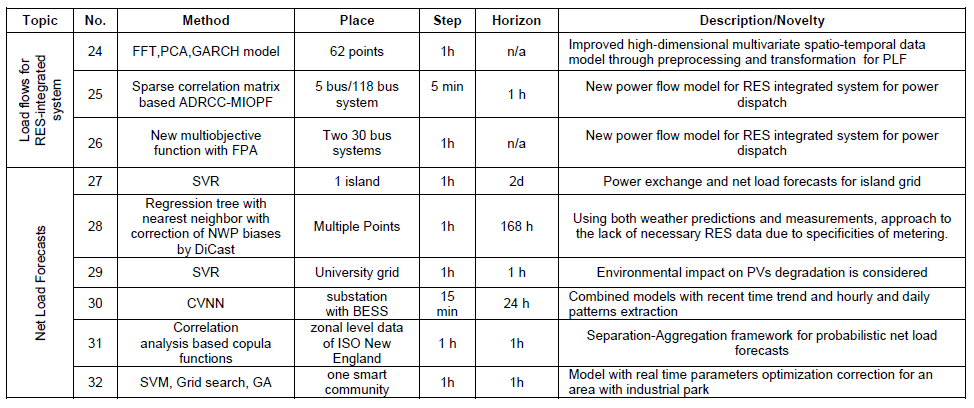
.
ویژگیهای مطالعات درباره پیشبینی جریان قدرت یا تقاضای خالص
مقالات مطرح شده در بالا دارای ویژگیهای زیر هستند:
- a) بازه پیشبینی کوتاه بوده و از ۵ دقیقه تا ۱ ساعت متغیر است.
- b) اگرچه همه مطالعات افق پیشبینی را مشخص نکردهاند، در مواردی که این کار انجام شده، بازهای از ۱ ساعت تا ۷ روز را شامل میشود.
- c) پیشبینی توان خالص هنوز به طور گسترده مورد بررسی قرار نگرفته، در حالی که بخشی از تحقیقات به زمانبندی توزیع از منابع متعارف اختصاص یافته است.
- d) پیشبینیهای بار خالص عموماً مربوط به سیستمهایی با سیستمهای خورشیدی متصل بودهاند.
- e) دو رویکرد رقابتی که در مطالعات مورد استفاده قرار گرفتهاند، شامل مدلهای جمعی تولید منابع تجدیدپذیر (RES) و پیشبینی بار واقعی به صورت موازی در مقابل مدل آبشاری (cascade model) است، که در آن پیشبینی تولید منابع تجدیدپذیر به عنوان ورودی مدل پیشبینی بار خالص استفاده میشود.
ویژگیهای جنبههای مختلفی که در جدول ۲ ذکر شده است، به وضوح خلاصه شدهاند.
جمعبندی
مطالعات اخیر نشان دادهاند که مقیاسهای مختلف تحقیق در پیشبینی تقاضای الکتریکی، میتوانند به عنوان یک حوزه مطالعاتی مستقل و همچنین به عنوان یک “گرمکردن” قبل از آزمونهای جهانی مدلهای جذاب عمل کنند.
بازگشت به پیشبینی تقاضای ساختمان، توجه ویژهای را به خود جلب کرده است، زیرا این رویکرد تغییراتی را با خود به همراه دارد که نشان میدهد رفتار مصرفکننده لزوماً غیرقابل پیشبینی نیست. این میتواند به عنوان یک نقطه عطف مهم در توسعه سیستمهای پیشبینی تقاضا و/یا تولید سازگار، چه به صورت پایین به بالا (bottom-up) و چه به صورت بالا به پایین (top-down) لحاظ شود.
پیشبینیهای جریان قدرت در ادبیات اخیر کمسابقه است و زمانی که منتشر میشوند، معمولاً به طور ضعیفی با این موضوع مرتبط هستند. به وضوح، پیشبینیهای چنین فرآیندهایی پیچیدهتر از پیشبینیهای صرفاً تقاضا یا تولید هستند، اما این واقعیت نباید عامل محدودکنندهای برای مطالعات به شمار آید.
به نظر میرسد که دو رویکرد در زمینه مطالعات جریان قدرت در حال شکلگیری هستند، هر چند بدون وقوع مطالعات جدید در آینده نمیتوان یک رویکرد را بر دیگری برتری داد.
علاوه بر این، با توجه به افزایش نفوذ منابع تجدیدپذیر (RES) در سیستمهای قدرت و نفوذ روزافزون خودروهای الکتریکی و ایستگاههای شارژ آنها، توسعه و استفاده بهینه از پیشبینیها ضروری به نظر میرسد.
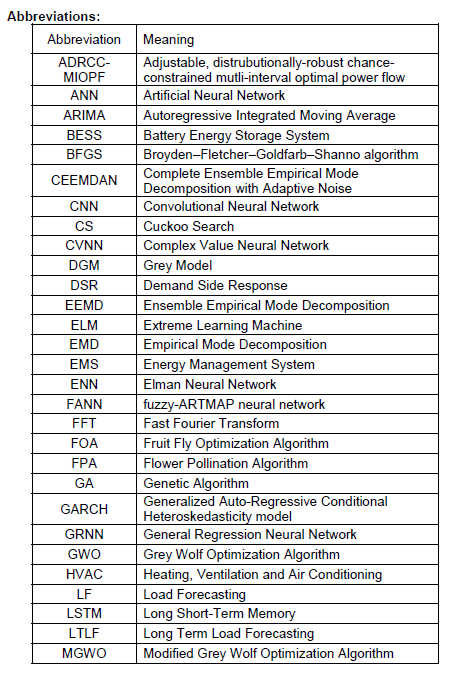
.
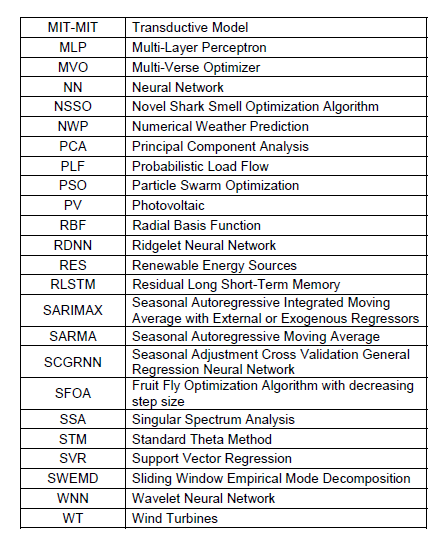
.
منابع (REFERENCES):
- Dudek G, Short-term load forecasting using Theta method, 14th International Scientific Conference “Forecasting in Electric Power Engineering” (PE 2018)E3S Web of Conferences 84, 01004 (2019), https://doi.org/10.1051/e3sconf /20198401004
- Dudek G., Pełka P., Prognozowanie miesięcznego zapotrzebowania na energię elektryczną metodą k najbliższych sąsiadów, Przeglad Elektrotechniczny 1(4), (2017), 64-67
- Popławski T., Dudek G., Łyp J., Forecasting methods for balancing energy market in Poland, Electrical Power and Energy Systems, 65 (2015) 94–101
- Gong G., An X, Mahato N.K , Sun S., Chen S.,Wen Y., Research on Short-Term Load Prediction Based on Seq2seq Model, Energies, 2019, 12, 3199
- Rodrigues F., Trindade A., Load forecasting through functional clustering and ensemble learning, Knowl Inf Syst, 57 (2018), 229–244
- Tian C., Ma J., Zhang C., Zhan P., A Deep Neural Network Model for Short-Term Load Forecast Based on Long Short-Term Memory Network and Convolutional Neural Network, Energies,11 (2018), 3493
- Ghadimi N., Akbarimajd A., Shayeghi H., Abedinia O., Two stage forecast engine with feature selection technique and improved meta-heuristic algorithm for electricity load forecasting, Energy, 161 (2018), 130-142
منابع (References)
[8] Li W., Yang X., Li H., Su L., رویکرد ترکیبی پیشبینی (Hybrid Forecasting Approach) که از شبکه عصبی (GRNN) و الگوریتم (SVR) برای پیشبینی تقاضای برق استفاده میکند، Energies, 2017, 10, 44.
[9] Xiao L., Shao W., Yu M., Ma J., Jin C., رویکرد ترکیبی از شبکه عصبی موجل (Wavelet Neural Network) با استفاده از الگوریتم بهبهبود (improved cuckoo search) برای پیشبینی عملکرد سامانه انرژی الکتریکی، Applied Energy, 198 (2017), 203‑222.
[10] Hu R., Wen S., Zeng Z., Huang T., مدل پیشبینی کوتاهمدت بارگیری بر پایهٔ شبکه عصبی بازگشتی (Generalized Regression Neural Network) با بهبهابی (decreasing step fruit fly optimization)، Neurocomputing, 221 (2017), 24‑31.
[11] Tarsitano A., Amerise I.L., پیشبینی کوتاهمدت بارگیری با استفاده از مدل SARIMAX على دو مرحلهای، Energy, 133 (2017), 108‑114.
[12] Sowiński J., پیشبینی تقاضای برق در منطقه، E3S Web of Conferences ۸۴, ۰۱۰۱۰ (۲۰۱۹)، https://doi.org/۱۰.۱۰۵۱/e3sconf/۲۰۱۹۸۴۰۱۰۱۰.
[13] Abreu T., Amorim A. J., Santos-Junior C.R., Lotufo A.D.P., Minussi C.R., پیشبینی بار چندلایه برای سامانههای توزیع با بهرهگیری از شبکه عصبی fuzzy‑artmap، Applied Soft Computing, 71 (2018), 307‑316.
[14] Amorim A.J., Abreu T.A., Tonelli‑Neto M.S., Minussi C.R., فرمulation جدید پیشبینی بار کوتاهمدت چندلایه مبتنی بر adaptive resonance theory با آموزش معکوس، Electric Power Systems Research, 179 (2020), 106096.
[15] Xu L., Wang S., Tang R., پیشبینی ممکن بار برای ساختمانها با در نظر گرفتن عدم قطعیت مرتبط با پیشبینی آب و بار پیک، Applied Energy, 237 (2019), 180‑195.
[16] Mohammadi M., Talebpour F., Safaee E., Ghadimi N., Abedinia O., پیشبینی بار کوچک مقامی ساختمان با بهرهگیری از موتور پیشبینی ترکیبی، Neural Process Letters, 48 (2018), 329‑351.
[17] Zheng Z., Chen H., Luo X., رویکرد مبتنی بر فیلتر کالنمن (Kalman filter) برای پیشبینی بار کوتاهمدت در خانگی، Applied Energy, 250 (2019), 882‑894.
[18] Chen Y., Xu P., Chu Y., Li W., Wu Y., Ni L., Bao Y., Wang K., پیشبینی بار الکتریکی کوتاهمدت با استفاده از مدل SVR (Support Vector Regression) برای محاسبه خط پایه تأثیر تقاضا بر ساختارهای اداری، Applied Energy, 195 (2017), 659‑670.
[19] Dai Sh., Niu D., Li Y., پیشبینی روزانه بار پیک بر پایهٔ تجزیه کامل همبازکال Ensemble Empirical Mode Decomposition، Noise و ماشین بردار کم_vector (SVM) بهینهشده با استفاده از الگوریتم Modified GreyWolf Optimization، Energies, 2018, 11, 163.
[20] Elamin N., Fukushige M., مدل بازسازی خطی برای پیشبینی تقاضی پیک با بهرهگیری از روش تراکم توزیعی بهمنظور جلوگیری از قطع برق، International Journal of Energy Economics and Policy, 2018, 8(5), 119‑124.
[21] Zhao H., Han X., Guo S., مدل DGM (۱,۱) بهینهشده با MVO (Multi‑verse Optimizer) برای پیشبینی بار پیک سالانه، Neural Computation & Applications, 30 (2018), 1811‑1825.
[22] Miranda S.T., Abaide A., Sperandio M., Santos M.M., Zanghi E., کاربرد شبکههای عصبی مصنوعی و منطق fuzzy برای پیشبینی بار طولانیمدت با در نظر گرفتن انعطافپذیری قیمت تقاضای الکتریکی، International Transactions on Electrical Energy Systems, 28 (2018), e2606.
[23] Ali D., Yohanna M., Ijasini P.M., Garkida M.B., کاربرد fuzzy‑Neuro برای مدلسازی تأثیر پارامترهای آبوهواری بر بار الکتریکی بر پایهٔ پیشبینی طولانیمدت، Alexandria Engineering Journal, 57 (2018), 223‑233.
[24] Rajanarayan Prusty B., Debashisha Jena, پیشبینی احتمالی فضایی‑زمانی با در نظر گرفتن دمایههای خورشیدی، International Transactions on Electrical Energy Systems, 29 (2019), no. 5.
[25] Fang X, Hodge B‑M, Du E., Zhang N., Li F., مدلگذاری همهمگونی زمانی‑فضایی خورشید و بادی برای بهینهسازی جریان در چند‑صحنه (multi‑interval optimal power flow): رویکرد ماتریس همبازکال ناهمهمگون، Applied Energy, 230 (2018), 531‑539.
[26] Kathiravan R., Devi R. P. K., مدل بهینهای جریان قدرتمند (optimal power flow) با در نظر گرفتن خورشید، بادی و ترکیبات خورشید‑حرارتی بهصورت بسته در سامانه انرژی بازگشایی هند، INTERNATIONAL JOURNAL OF GREEN ENERGY, 14 (2017), NO. 11, 934‑950.
[27] Massidda L., Marrocu M., جدایی تأثیر آبوهواری از عادتهای کاربری برای سامانه بهینهسازی پیشبینی بار الکتریکی، Energies, 2017, 10, 2171.
[28] Haupt S.E, Dettling S., Williams J. K., Pearson J., Jensen T., Brummet T., Kosovic B., Wiener G., McCandles T., Burghardt C., گروهبندی پیشبینی بار و خورشید توزیعشده، Solar Energy, 157 (2017), 542‑551.
[29] Kaur A., Nonnenmacher L., Coimbra C.F.M., پیشبینی بار خالی برای شبکههای انرژی با نفوذ بالا از منابع تجدیدپذیر، Energy, 114 (2016), 1073‑1084.
[30] Sepasi S., Reihani E., Howlader A.M., Roose L.R, Matsuura M. M., پیشبینی بسیار کوتاهمدت بار در سامانه توزیع با نفوذ بالا خورشید، Renewable Energy, 106 (2017), 142‑148.
[31] Wang Y., Zhang N., Chen Q., Kirschen D.S., Li P., Xia Q., پیشبینی ممکن بار شبکه با بهرهگیری از دادهها برای نفوذ بالا از خورشید پشت‑دورآتی (behind‑the‑meter PV)، IEEE TRANSACTIONS ON POWER SYSTEMS, 33 (2018), NO. 3.
[32] Li Y., Wen Z., Cao Y., Tan Y., Sidorov D., Panasetsky D., رویکرد ترکیبی پیشبینی با تنظیم خودکار مدل برای پیشبینی غنی انرژی و بار در جامعه هوشمند، Energy, 129 (2017), 216‑227.
نویسندگان: مهندس مهری موصل (mgr inż.) مارسلین کاپیت، پِولیتکنیکا وارسارکا، مؤسسه الکترو مهندسی، خیابان Косecоwa ۷۵، ۰۰‑۶۶۲ وارسارکا، ایمیل: marcin.kopyt@ien.pw.edu.pl.
Resource & Publisher Item Identifier: PRZEGLĄD ELEKTROTECHNICZNY، ISSN ۰۰۳۳‑۲۰۹۷، ر. ۹۶، شماره ۱۱/۲۰۲۰، doi:۱۰.۱۵۱۹۹/۴۸.۲۰۲۰.۱۱.۰۲
Publisher: PQBlog
Electrical Engineer
View more posts
پرسشهای متداول
پیشبینی کیفیت توان چه اهمیتی دارد؟
پیشبینی کیفیت توان اجازه میدهد تا برنامهریزی بهتری برای استفاده بهینه از انرژی الکتریکی داشته باشیم.
چگونه میتوان کیفیت توان را اندازهگیری کرد؟
کیفیت توان معمولاً با استفاده از آنالایزرهای مخصوص و دستگاههای اندازهگیری الکتریکی انجام میشود.
فیلتر هارمونیک چیست و چرا استفاده میشود؟
فیلتر هارمونیک دستگاهی است که برای حذف هارمونیکهای ناخواسته از سیستمهای برقی استفاده میشود و به بهبود کیفیت توان کمک میکند.
منبع: powerquality.blog
