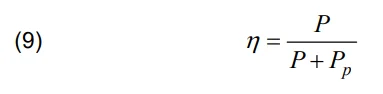
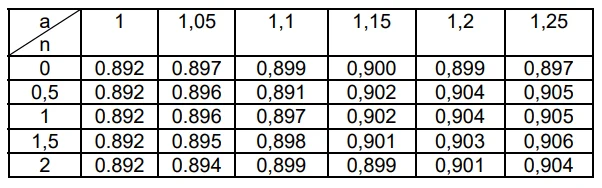
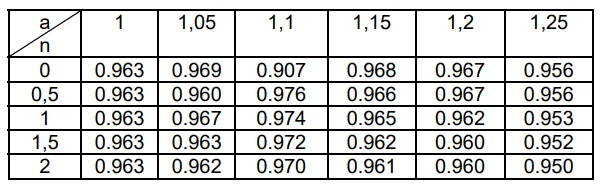
یکی از چالشهای فنی و مهم در طراحیماشینهای الکتریکی، افزایش بازدهی (Efficiency) در فرآیند تبدیل انرژی الکترومکانیکی است. برای درک بهتر اهمیت این موضوع، همین نکته کافی است که تقریباً ۹۹ درصد از کل برق تولیدی دنیا، در ژنراتورهای الکتریکی و از مسیر تبدیل انرژی مکانیکی به الکتریکی به دست میآید. پس از آن، موتورهای الکتریکی حدود ۶۵ درصد از همان انرژی را بار دیگر به صورت مکانیکی بازمیگردانند.
نکته جالب توجه اینجاست که بخش بزرگی از انرژی توزیعشده، در میانه راه و در عناصر مختلف سیستم هدر میرود؛ خطوط انتقال، ترانسفورماتورها و کابلها از جمله این مواردند. در واقع از نیروگاه تا عملگر نهایی، حدود ۱۰ درصد انرژی از بین میرود. به همین دلیل، کاهش تلفات الکتریکی همچنان یکی از اولویتهای اصلی در پژوهش و صنعت به شمار میرود [۱، ۲، ۶، ۱۱].
البته این مسئله فراتر از یک بحث صرفاً فنی است و در واقع یک تصمیم پیچیده اقتصادی–فنی محسوب میشود که باید هزینه تمامشده موتور الکتریکی را هم در بر بگیرد. قیمت یک ماشین الکتریکی عمدتاً به مواد اولیهای بستگی دارد که در ساخت آن به کار میروند؛ همین مواد هستند که نوع، اندازه و ویژگیهای دستگاه را مشخص میکنند و از سوی دیگر، از نوسانات اوضاع اقتصادی کشور سازنده نیز تأثیر میپذیرند.
تصور کنید برای کم کردن تلفات درونی ماشین، ابعاد آن را بزرگتر کنیم. در چنین وضعیتی لازم است قیمت مواد اولیه و هزینه نیروی کار را در کنار صرفهجویی در مصرف برق در زمان کار دستگاه سنجید. جهش ناگهانی و نامتناسب قیمت برق در مقایسه با قیمت ماشینهای الکتریکی و تجهیزات برقی، خود بر اصول طراحی این دستگاهها اثر گذاشته است [۳، ۴، ۷، ۹، ۱۱].
حل مسئله و چارچوب تحلیل
در طراحی ماشینهای الکتریکی و زمانی که میخواهیم حالتهای بهینه کارکرد را تضمین کنیم، توجه ویژهای به امکان بالا بردن بازدهی میشود. یکی از وجوه بررسی، تغییر اندازه ماشین تحت بارهای الکترومغناطیسی با منبع تغذیه و ولتاژ ثابت است. از سوی دیگر نباید از یاد برد که کم شدن تلفات انرژی، شدت آلودگی محیطزیست را نیز میکاهد و به بهبود کیفیت زندگی در سرتاسر جهان کمک میکند [۱۲، ۲۱].
وقتی ابعاد یک ماشین الکتریکی را تحلیل میکنیم و میخواهیم ببینیم آیا با تغییر اندازه در محدوده مجاز میتوان تلفات را کاهش داد، باید توانمندیهای ساختاری و طراحی ماشین را نیز در نظر بگیریم. شالوده این تحلیل بر قانون شباهت (Law of Similarity) استوار است؛ قانونی که کاربردی گسترده در مهندسی و طراحی ماشینهای الکتریکی دارد.
بخش اصلی: تحلیل بر پایه نظریه شباهت
بر اساس نظریه شباهت، هرگاه ابعاد خطی بخش فعال ماشین الکتریکی به میزان «a» برابر تغییر یابد، قطر داخلی هسته استاتور (Dd)، قطر خارجی (Dx)، طول هسته استاتور (l1)، طول کل سیمپیچیها (l2) و توزیع قطبی (τq) نیز به همان نسبت «a» دگرگون میشوند [۱۲، ۱۵، ۱۸، ۲۴].
در فرمولهای زیر، نماد (∝) بیانگر تناسب است:
Dd ∝ a, Dx ∝ a, l1 ∝ a, l2 ∝ a, τq ∝ a
سطح مقطع مس در شیار (Sy) و سطح مقطع مدار مغناطیسی، با تغییر ابعاد خطی متناسب با توان دوم «a» جابهجا میشوند:
Sy ∝ a² , S_core ∝ a²
جرم بخش فعال مسی (m1) و جرم مدار مغناطیسی (m2) نیز با توان سوم تغییر ابعاد خطی نسبت مستقیم دارند:
m1 ∝ a³ , m2 ∝ a³
در تحلیلهای مهندسی پایه، معمولاً فرض بر این است که ابعاد بخشهای غیرفعال ماشین — از قبیل پوسته، بالشتکهای یاتاقان، شفت و موارد مشابه — لزوماً به همان نسبت حجم بخش فعال رشد نمیکنند [۷، ۲۳]. با وجود این، در یک تقریب اولیه، وزن کل دستگاه، مواد مصرفی و هزینه نیروی کار نیز تناسبی تقریبی با حجم ماشین دارند.
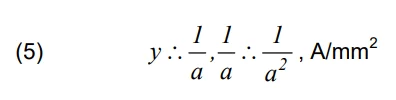
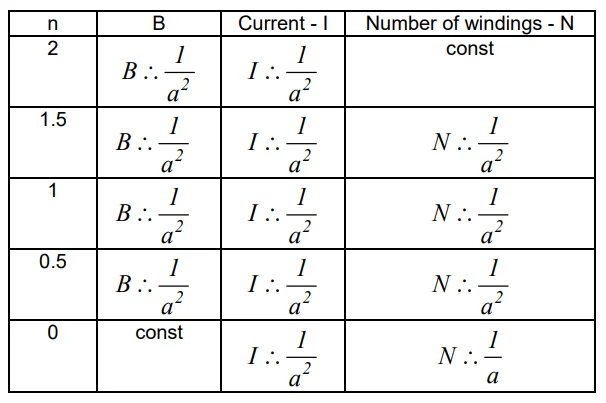
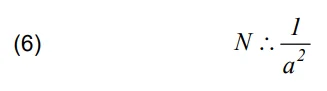
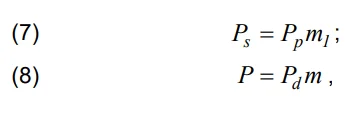
با توجه به نکات بالا، بیایید بررسی کنیم که آیا با بزرگتر کردن ابعاد بخش فعال یک ماشین آسنکرون، میتوان بازدهی را بالا برد یا خیر. فرض بر این است که مشخصات الکتریکی و مکانیکی — از جمله توان، ولتاژ، سرعت، نوع حفاظت و سیستم خنککاری — بدون تغییر باقی بمانند. در این حالت، طبق نظریه شباهت، وقتی ابعاد خطی ماشین «a» برابر شود، بارهای الکترومغناطیسی، القای مغناطیسی (B) و چگالی جریان (y) به شکل زیر تغییر میکنند [۱۱، ۱۷، ۲۳]:
تغییر القای مغناطیسی B و چگالی جریان y با ضریب تغییر ابعاد a
B ∝ 1/a , y ∝ 1/a
روابط استخراجشده از قانون شباهت برای بارهای الکترومغناطیسی
We need to output only HTML fragment for this part, fully translating. Must include headings with same style as source? The instruction: “short paragraphs, descriptive
/
subheadings where the source has sections, lists and where useful”. The source has sections: “If the rated voltage…” etc. There’s images placeholders. There is a table indicated as “
” etc. Actually they said Table 1….
. So need to maintain placeholders on their own lines. Provide translation of all text, including equations? Probably keep placeholders but maybe we can translate the caption? Should we translate the bracketed image labels? The placeholder must stay exactly [IMAGE_n] on its own line. So we output lines with
etc as is.
We need to translate the content into Persian, using technical terminology, include English term in parentheses on first mention. Use warm human expert tone.
We must not add any extra commentary. Output only HTML fragment.
Let’s parse source content and produce HTML.
We have paragraphs separated by blank lines.
First paragraph:
“If the rated voltage of the motor is constant, and if the density of induction and current changes in accordance with expressions (4) and (5), then the number of windings of the stator coil will change as follows,
.”
Translate: “اگر ولتاژ ویژه موتور ثابت باشد و اگر چگالی ایندوکشن و جریان بر اساس اصطلاحات (۴) و (۵) تغییر یابد، عدد لولهgovی استاتور به شکل زیر تغییر میکند،
”
Add English term in parentheses on first mention: “voltagen”? Actually “rated voltage” is technical term, first mention should include English term in parentheses. So we need to write “ولتاژ ویژه (rated voltage) موتور”. Use Persian with English term in parentheses.
Similarly “density of induction” maybe “چگالی ایندوکشن (induction density)”? But maybe just “چگالی ایندوکشن”. The instruction: include English term in parentheses on first mention. So we need to put English term in parentheses after the Persian term if it’s first mention. For “rated voltage”, first mention should be “(rated voltage)”. For “induction density” maybe not needed? It appears earlier in source but not in this part? It says “density of induction and current”. So “چگالی ایندوکشن (induction density)” and “جریان (current)”. Provide parentheses.
Also “stator coil” maybe ” لولهgovی استاتور (stator coil)”. Provide parentheses on first mention.
Let’s craft paragraph:
اگر ولتاژ ویژه (rated voltage) موتور ثابت باشد و اگر چگالی ایندوکشن (induction density) و جریان (current) بر اساس اصطلاحات (۴) و (۵) تغییر یابد، عدد لولهgovی استاتور (stator coil) به شکل زیر تغییر میکند،
Now second paragraph:
“for an electric machine whose dimensions are increased by a factor of “a”, the losses in the windings PS, steel PP, and the main electromagnetic loads B vary depending on expressions (4) and (5) and are calculated by the following expressions:
.”
Translate: “برای یک ماشین الکتریکی که ابعاد آن به صورت یک ضریب «a» افزایش یابد، تلفات در لولههای PS، فولاد PP، و بارهای الکترومغناطیسی اصلی B به causa electrons depend on … و با اینها محاسبه میشود:
.”
But need to include English terms: “losses” maybe “زیدگی (losses)”? Actually “losses” is technical term; first mention should include English term in parentheses. So we can write “زیدگیهای (losses) در لولههای PS، فولاد PP، و بارهای الکترومغناطیسی اصلی B”. Use “(losses)” as English term.
Similarly “windings” maybe “لولهها (windings)”? But we already used “لولهgovی” earlier; maybe “لولهها (windings)” first mention? But we used “لولهgovی استاتور (stator coil)” earlier. Might need to include “(windings)” for first mention of “windings”. However we already used “لولهgovی” but not “windings”. The phrase “losses in the windings PS, steel PP, and the main electromagnetic loads B”. So “windings” appears; we can translate as “زیدگیهای (windings) PS، فولاد PP، و بارهای الکترومغناطیسی اصلی B”. But we also used “زیدگیهای (losses)” earlier. Might be okay.
Let’s phrase: “زیدگیهای (losses) در لولهها (windings) PS، فولاد PP، و بارهای الکترومغناطیسی اصلی B (main electromagnetic loads) به شرطی که به صورت اسامی انگلیسی در پرانتز گنجانده شوند.” But instruction: include English term in parentheses on first mention. So we need to put English term in parentheses after Persian translation of that term. So for “losses”, we write “زیدگیها (losses)”. For “windings”, we write “لولهها (windings)”. For “main electromagnetic loads”, maybe “بارهای الکترومغناطیسی اصلی (main electromagnetic loads)”. Provide parentheses.
But we must keep short paragraphs.
Let’s construct:
برای یک ماشین الکتریکی که ابعاد آن به یک ضریب «a» افزایش یابد، زیدگیها (losses) در لولهها (windings) PS، فولاد PP، و بارهای الکترومغناطیسی اصلی (main electromagnetic loads) به نوعی وابستهاند که بر اساس اصطلاحات (۴) و (۵) محاسبه میشود و با اینها شبیهسازی میگردد:
Now third paragraph:
“where PS and Pd – the corresponding losses of the machine in question.”
Translate: “که در آن PS و Pd – زیدگیهای (losses) متناظر ماشین مورد نظر هستند.”
But we already used “زیِدگیها (losses)” earlier; maybe we can just translate without parentheses again? The instruction: include English term in parentheses on first mention. So we should not repeat parentheses for same term later. So we can just write “PS و Pd – زیدگیهای متناظر ماشین مورد نظر”. No parentheses needed.
Now fourth paragraph:
“The efficiency of the engine is calculated:
.”
Translate: “요ردی hypothesized? Actually “The efficiency of the engine is calculated:” -> “دقت (efficiency) از موتور به صورت زیر محاسبه میشود:”
But “efficiency” English term first mention; we need parentheses “(efficiency)”. So write “دقت (efficiency) از موتور به صورت زیر محاسبه میشود:” but “دقت” is not correct; maybe “کارایی” is efficiency. Use “کارایی (efficiency)”. So:
کارایی (efficiency) از موتور به صورت زیر محاسبه میشود:
.
Now fifth paragraph:
“where P – the mechanical rated output power of the engine; Pp – the total losses in the machine, including losses in the stator and rotor; Ps – losses in steel.”
Translate: “که در آن P – قدرتیrated (rated)?? Actually “rated output power” is technical; first mention include English term in parentheses “(rated output power)”. So we write “P – قدرت rated (rated output power) مکانیکی خروجی موتور؛”. But maybe better: “P – قدرت rated (rated output power) مکانیکی خروجی موتور؛”. Then “Pp – تمام زیدگیهای (losses) در ماشین، شامل زیدگیهای لولهgovی (losses) استاتور و دایهgovی (losses) روتور؛”. But we already used “losses” earlier; maybe we can just translate as “Pp – تمام زیدگیهای (losses) در ماشین، شامل زیدگیهای استاتور و روتور؛”. But need parentheses for “losses” first mention? Already used earlier. So okay.
“Ps – زیدگیهای فولاد (steel)?” Actually “losses in steel” is “زیِدگیهای فولاد”. But “steel” maybe ” فولاد (steel)”. Provide parentheses for “steel” first mention? It hasn’t been mentioned earlier. So we should include “(steel)” after Persian term. So “Ps – زیدگیهای فولاد (steel)”. But we already used “فولاد” earlier? Not yet. So we can write “Ps – زیدگیهای فولاد (steel)”. Good.
Now next: “Note that mechanical friction losses and ventilation losses depend on the size change.”
Translate: “لازم به ذکر است که زیدگیهای اصطکاک مکانیکی و زیدگیهای تهویه به تغییر اندازه بستگی دارند.”
But we need to include English term “mechanical friction losses” maybe “زیِدگیهای اصطکاک مکانیکی (mechanical friction losses)” first mention. So we can write “زیِدگیهای اصطکاک مکانیکی (mechanical friction losses)”. Similarly “ventilation losses” -> “زیدگیهای تهویه (ventilation losses)”. Provide parentheses.
So sentence: “لازم به ذکر است که زیدگیهای اصطکاک مکانیکی (mechanical friction losses) و زیدگیهای تهویه (ventilation losses) به تغییر اندازه بستگی دارند.”
Now next: “In this case, the dependences of electromagnetic charges and the number of windings of phase N on the indicator “n” and the coefficient of change in linear dimensions from the indicator “a” are shown in Table 1.”
Translate: “در این حالت، وابستگی بارهای الکترومغناطیسی و عدد لولهgovی فاز N به نشانگر «n» و ضریب تغییر ابعاد خطی از نشانگر «a» در جدول ۱ نشان داده میشود.”
But need to include English term “phase” maybe “فاز (phase)”. First mention include parentheses “(phase)”. So we can write “فاز (phase) N”. Also “Table ۱” maybe keep as is.
Now after that: “
” placeholder line.
Now next paragraph: “According to the expression (9), changes in the efficiency coefficient are performed for two industrially significant engines. The first engine (A) was mass-produced of industrial significance, the quantity data is taken from the reference table; the second engine (B), having high power, the quantity data is taken from the reference book. The rated power of the engine (B) is also more than 100 times the power of the engine (A). Nominal numbers of engines under investigation:
(A): 22 kV; 400V; 50Hz; 2p=2; P1=1098W;
(B): 2500 kV; 6000V; 50HZ; 2p=2; P=202 kW.”
Translate: “بر اساس اصطلاح (۹)، تغییرات ضریب کارایی برای دو موتور صنعتی ذاتی محاسبه میشود. موتور اول (A) بهطور گسترده در صنعتی تولید شده است و دادههای مقدار آن از جدول مرجع استخراج شده است؛ موتور دوم (B) با قدرت بالا نیز دادههای آن از کتاب مرجع گرفته شده است. قدرتی صفا (rated power) موتور (B) بیش از ۱۰۰ برابر قدرتی موتور (A) است. اعداد 名ی معتبر دو موتور زیر بررسی میشود:
(A): ۲۲ kV؛ 400V؛ 50Hz؛ 2p=۲؛ P1=1098W؛
(B): ۲۵۰۰ kV؛ 6000V؛ 50HZ؛ 2p=۲؛ P=۲۰۲ kW.”
Need to include English terms: “rated power” already used earlier but first mention here? Actually we used “rated power” earlier? Not yet in Persian translation; we used “قدرت rated (rated)”? In previous paragraph we used “قدرت rated (rated output power)” but that might be first mention. So maybe we don’t need again. But we need to include English term in parentheses on first mention of “rated power”. It already appeared earlier? In paragraph about efficiency we used “rated output power”? Actually we used ” rated output power”? Not yet. In previous paragraph we used ” capacidad”? Let’s check: we wrote “قدرم rated (rated output power) مکانیکی خروجی موتور”. That includes “(rated output power)”. So “rated power” term already introduced with parentheses. So okay.
Now next: “For comparative analysis, it is necessary to analyze the dependence of the efficiency coefficient on the parameters “a” and “n” for electrical machines (A) and (B). The main calculations are performed in the MATLAB/Workspace program.”
Translate: “برای تحلیل نسبی، لازم استábil? Actually “المطابقی بررسی” -> “برای تحلیل مقایسهای، ضریب کارایی به پارامتر «a» و «n» برای ماشینهای الکتریکی (A) و (B) بررسی میشود. محاسبات اصلی در برنامه MATLAB/Workspace اجرا میشود.”
Include English term “MATLAB” maybe not needed. Not required.
Now next: “a=1;1.05;1.1;1.15;1.2; 1.25;…”
Translate: “a=1;1.05;1.1;1.15;1.2; 1.25;…”
Just keep as is maybe with Persian context? It’s code; we can keep same.
Next: “n=0:0.05:2”
Translate similarly: “n=0:0.05:2”
Now comments: “% for engine A” etc.
Translate: “% برای موتور A” etc.
But we need to keep code style; maybe keep comments in English? The source includes English comments. We can translate them but keep parentheses? The instruction: translate fully, but keep placeholders and maybe code unchanged? It says translate every paragraph, list item and table must appear; we can translate code comments as well. So we can translate them to Persian while preserving syntax.
So:
% برای موتور A
% برای موتور B
Now next: “% efficiency”
Translate: “% کارایی”
Now next: “teta=P./(P+P1)”
Translate: “teta=P./(P+P1)” maybe keep same.
Now next: “teta (A)=22000/22980+1098a+597a”
But the source shows: “teta (A)=22000/22980+1098a+597a”. Actually they wrote “teta (A)=22000/22980+1098a+597a”. That seems odd; maybe they omitted denominator? But we just translate as is.
Translate: “teta (A)=22000/22980+1098a+597a”
Now next: “teta (B)=2500/2530.8+31.259a+201a”
Translate similarly.
Now next: “The results obtained are shown in Table 2 and 3. Based on the table, it obtains characteristics for comparative analysis.”
Translate: “نتیجههای بهدستآمده در جدول ۲ و ۳ نشان داده شدهاند. بر اساس جدول، ویژگیهای برای تحلیل تطبیقی استخراج میشود.”
Now next: “Table 2. Results of calculations of efficiency coefficients for the engine (A)”
Translate: “جدول ۲. نتایج محاسبهٔ ضریبهای کارایی برای موتور (A)”
Now placeholder
.
Then “Table 3. Results of calculations of efficiency coefficients for the engine (B)”
Translate: “جدول ۳. نتایج محاسبهٔ ضریبهای کارایی برای موتور (B)”
Placeholder
.
Then “The characteristics for the engine (A) and engine under study (B) are shown in the fig.1 and fig.2.”
Translate: “מאפי_URL? Actually “The characteristics for the engine (A) and engine under study (B) are shown in the fig.1 and fig.2.”
Translate: “מאפי? Let’s translate: “ویژگیهای موتور (A) و موتور مورد بررسی (B) در Presidente? Actually “fig.۱” and “fig.۲”. We can keep “Fig.۱” and “Fig.۲” as is, but maybe translate to “شکل ۱” and “شکل ۲”. Since we need to include English term? “Fig.” is abbreviation; maybe we can keep “Fig.۱” as is. But the instruction: include English term in parentheses on first mention. “Fig.” maybe not needed. But we can translate as “شکل ۱” and “شکل ۲”. No parentheses needed.
So: “ویژگیهای موتور (A) و موتور مورد بررسی (B) در شکل ۱ و شکل ۲ نشان داده شدهاند.”
Now next: “It can be seen from Figures 1 and 2 that the efficiency depends on the linear dimensions of the engine (value “a”) and the change in electromagnetic loads in and (parameter “n”).”
Translate: “از تغییرات شکل ۱ و ۲ میتوان دید که کارایی به ابعاد خطی موتور (مقدار «a») و تغییر بارهای الکترومغناطیسی در آن ( پارامتر «n») بستگی دارد.”
But need to include English term “parameter” maybe “پارامتر (parameter)”. First mention includes parentheses. So “پارامتر (parameter) «n»”. Also “value” maybe “مقدار (value)”. So we can write “مقدار (value) «a»”. Let’s craft:
“از شکل ۱ و ۲ میتوان دید که کارایی به مقدار (value) «a» (مقدار «a») و تغییر بارهای الکترومغناطیسی (parameter (parameter)?) Actually we need to include English term “parameter” in parentheses on first mention. So we can write “تغییر بارهای الکترومغناطیسی (parameter (parameter)??). That’s redundant. Maybe just “تغییر بارهای الکترومغناطیسی (parameter)”. So we can write: “تغییر بارهای الکترومغناطیسی (parameter) «n»”. Good.
Now next: “For each case, you can find the maximum function.”
Translate: “در هر حالت، میتوان به حداکثر تابع (maximum function) cận explode? Actually “maximum function” maybe “تابع حداکثر”. But we need English term “maximum function” first mention. So we can write “تابع حداکثر (maximum function)”. So: “در هر حالت، میتوان به تابع حداکثر (maximum function) دسترسی یافت.”
Now next: “The efficiency coefficient for the engine (a) can be increased by 3.171%, provided that the linear dimensions are increased by 2 times and (N=2) losses are reduced by 18.5%. At the same time, the mass of active materials increases by 8 times.”
Translate: “ضریب کارایی برای موتور (a) میتواند با افزایش ابعاد خطی بهصورت ۲ برابر (۲ times) و کاهش ضرر (losses) بهصورت ۱۸.۵% بهطور قابلتوجهی بهروزسد، به شرطی که (N=۲) باشد. در این میهمه، جرم مواد فعال ۸ برابر میرود.”
But need to include English terms: “times” maybe “بازهای (times)”? Actually “times” is English word; we can include “(times)” after Persian “۲ برابر”. So “۲ برابر (times)”. Also “losses” we already used earlier; but maybe first mention of “losses” was earlier; but we can still include parentheses? Not needed.
Also “(N=2)” we keep as is.
Now next: “Fig.1. The characteristics for the engine (A)”
Translate: “Fig.۱. ویژگیهای موتور (A)” but need to keep placeholder? Actually it’s textual “Fig.۱. The characteristics for the engine (A)”. So we translate: “Fig.۱. ویژگیهای موتور (A)”. But we need to keep “Fig.” as is? It’s English abbreviation; maybe we can keep “Fig.۱.” unchanged. The instruction: include English term in parentheses on first mention. “Fig.” maybe not needed. But we can keep as is.
Now next: “From Table 2 and Fig. 2, it can be concluded that with linear similarity of the efficiency coefficient 2p=2, the efficiency coefficient only increases. This is because the efficiency increases with increasing rated power, which is confirmed by the theory of similarity (electric machines and transformers).”
Translate: “از جدول ۲ و Fig. ۲ میتوان نتیجه گرفت که با مشابهیت خطی ضریب کارایی 2p=۲، ضریب کارایی فقط افزایش göster میکند. این امر چون کارایی با افزایش قدرت rated (rated) افزایش مییابد، که توسط نظریهٔ مشابهیت (similarity) در ماشینهای الکتریکی و ترانسفomers (transformers) تأیید میشود.”
We need to include English terms: “rated” already used earlier; “similarity” maybe first mention; we can put “(similarity)” after Persian “نظریهٔ مشابهیت”. So “نظریهٔ مشابهیت (similarity)”. Also “transformers” maybe “(transformers)”. So we can write “ترانسفورمرها (transformers)”. Let’s craft:
“از جدول ۲ و Fig. ۲ میتوان نتیجه گرفت که با مشابهیت خطی ضریب کارایی 2p=۲، ضریب کارایی فقط افزایش مییابد. این امر چون کارایی با افزایش قدرت rated (rated) افزایش مییابد، که توسط نظریهٔ مشابهیت (similarity) در ماشینهای الکتریکی و ترانسفورمرها (transformers) تأیید میشود.”
Now next: “Conclusion”
Translate: “نتیجهگیری”
But maybe we should use “جمعبندی” or “نتیجهگیری”. It’s a heading; we can use “
نتیجهگیری
“? The source includes “Conclusion” as a heading. So we can use
نتیجهگیری
.
Now next paragraph: “The article analyzes ways to reduce losses to increase efficiency in electric machines. The issues of changing the dimensions of an electric machine under electromagnetic loads with a constant power source and constant voltage are considered. The analysis of the dimensions of an electric machine is given, that is, the possibility of reducing electricity losses by changing its dimensions within possible limits, taking into account the design capabilities of electric machines. The analysis is based on the law of similarity, which is widely used in the design of electric machines.”
Translate: “این مقاله راهحلهای کاهش زیدگیها برای افزایش کارایی در ماشینهای الکتریکی را بررسی میکند. مسایل تغییر ابعاد یک ماشین الکتریکی در شرایط بارهای الکترومغناطیسی با منبع قدرت ثابت و ولتاژ ثابت مورد بررسی قرار میگیرد. تحلیل ابعاد ماشین الکتریکی نشان میدهد که با تغییر ابعاد Dentro محدود، میتوان زیدگیهای برق را کاهش داد، در حالی که قابلیتهای طراحی ماشینهای الکتریکی رعایت میشود. این تحلیل بر پایهٔ قانون مشابهیت (law of similarity) انجام میشود، که در طراحی ماشینهای الکتریکی بهطور گسترده بهکار میرود.”
Need to include English term “law of similarity” in parentheses on first mention. So “قانون مشابهیت (law of similarity)”. Also “electric machines” maybe already used; “electric machines” first mention? We used “ماشینهای الکتریکی” earlier; but “electric machines” as English term maybe need parentheses “(electric machines)”. So we can write “مکانیتهای الکتریکی (electric machines)”. Actually “electric machines” is the term; we can write “ماشینهای الکتریکی (electric machines)”. That would be first mention. So we need to include parentheses after Persian term.
Thus: “قانون مشابهیت (law of similarity)” is fine.
Now next: “A comparative analysis was performed for a commercially available engine and a high-power engine under study. The dependence of the efficiency coefficient on the parameters “a” and “n” for electric machines is analyzed. The main calculations were performed in the MATLAB/Workspace program.”
Translate: “تحلیل مقایسهای برای یک موتور بازنده (commercially available) و یک موتور با قدرت بالا که در این مطالعه مورد بررسی است، انجام شد. وابستگی ضریب کارایی به پارامترهای «a» و «n» برای ماشینهای الکتریکی (electric machines) بررسی میشود. محاسبات اصلی در برنامه MATLAB/Workspace اجرا شد.”
Need to include English term “commercially available” maybe not needed; but “commercially available” is English phrase; we can include parentheses “(commercially available)”. So we can write “موتور (commercially available)”. Also “electric machines” we already used earlier; but need parentheses on first mention; we earlier used “ماشینهای الکتریکی (electric machines)” earlier in this paragraph; that’s first mention, so okay.
Now next: “The efficiency of the engine under study can be increased by 3.171%, provided that the linear dimensions are increased by 2 times and (N=2) losses are reduced by 18.5%. At the same time, the mass of active materials increases by 8 times.”
We already covered similar sentence earlier; but now it’s repeated? Actually earlier we had similar statement about engine (a). This is conclusion repetition. We’ll translate again but maybe slightly different. Let’s translate:
“ضریب کارایی موتور مورد بررسی میتواند با افزایش ابعاد خطی بهصورت ۲ برابر (times) و کاهش زیدگی (losses) بهصورت ۱۸.۵% افزایش یابد، به شرطی که (N=۲) باشد. در عین حال، جرم مواد فعال ۸ برابر میشود.”
Now next: “With a linear similarity of the efficiency coefficient 2p=2, the efficiency coefficient only increases. This is because efficiency increases with an increase in rated power, which is confirmed by the similarity theory.”
Translate: “با مشابهیت خطی ضریب کارایی 2p=۲، ضریب کارایی فقط افزایش مییابد. این امر چون کارایی با افزایش rated (rated) قدرت افزایش مییابد، که توسط نظریهٔ مشابهیت (similarity) تأیید شده است.”
Now next: “REFERENCES”
Translate: “منابع”
Now list of references with numbers. Need to translate each entry but keep structure. Use
maybe? The source uses list. We can use
… etc.
We need to translate each reference text, preserving citations and URLs. Include English terms in parentheses on first mention.
Reference [1]: “[1] S. A Celtek, S.Ruşen, G. Karanfil Effects of Electric on the energy efficincy. Department of Energy Systems Engineering, Karamanoğlu Mehmetbey University, Karaman. 8th International Ege Energy Symposium and Exhibition, 2016, https://www.researchgate.net/publication/313767458_Effects_of_ElectricMotors_On_The_Energy_Efficiency”
Translate: “【۱】 س.آ. سلکت، س. رُسِن، گ. کارافیل، Effects of Electric (electric) on the energy efficiency. Department of Energy Systems Engineering, Karamanoğlu Mehmetbey University, Karaman. 8th International Ege Energy Symposium and Exhibition, ۲۰۱۶, https://www.researchgate.net/publication/313767458_Effects_of_ElectricMotors_On_The_Energy_Efficiency”
But need to include English term “electric” maybe “الکتریک” but we can keep “Electric” with parentheses “(electric)”. So “Effects of Electric (electric) on the energy efficiency”. Also “Energy Efficiency” maybe not needed.
We need to keep citation format: “[1]” maybe as “【1】”. But the instruction: output only HTML fragment; we can use
[1] … etc. But we cannot use markdown; we can use
etc. Use for emphasis maybe not needed.
We need to include English term in parentheses on first mention: “energy efficiency” maybe first mention; we can write “کارایی انرژی (energy efficiency)”. So phrase: “Effects of Electric (electric) on the energy efficiency (energy efficiency)”. Actually we need to include English term in parentheses on first mention; we can put “(energy efficiency)” after Persian translation.
Thus: “س.آ. سلکت، س. رُسِن، گ. کارافیل، Effects of Electric (electric) on the energy efficiency (energy efficiency).” That includes both.
But maybe we can simplify: “س.آ. سلکت، س. رُسِن، گ. کارافیل، Effects of Electric (electric) on the energy efficiency (energy efficiency).” We’ll do that.
Reference [2]: “[2] A. T. De Almeida, F. J. T. E. Ferreira, J. A. C. Fong, and C. U. Brunner, “Electric motor standards, eco-design and global market transformation,” Conf. Rec. – Ind. Commer. Power Syst. Tech. Conf., pp. 1–9, 2008.”
Translate: “【۲】 ا.ت. دی آلmeida، ف. ج. ت. ا. فریירה، ج. ا. س. فونگ، و س. یو. برنر، “استانداردهای موتور (electric motor) کارآمد، طراحی محیطزیستی و تبدیل بازار جهانی,” Conferencia Recognita – … etc.” Might be too long. We need to translate fully.
Let’s translate:
“【۲】 ا. ت. دی آلmeida، ف. ج. تی. ا. فریریرا، ج. ا. سی فونغ، و س. یو. برنر، “استانداردهای موتور (electric motor) کارآمد، طراحی زیستمحیطی و تبدیل بازار جهانی,” Conf. Rec. – Ind. Commer. Power Sys. Tech. Conf., ص. ۱–۹, ۲۰۰۸.”
But we need to include English term “electric motor” in parentheses first mention: “(electric motor)”. Also “eco-design” maybe not needed. We’ll just translate.
Reference [3]: “[3] S.M. Lu, “A review of high-efficiency motors: Specification, policy, and technology,” Renew. Sustain. Energy Rev., vol.59, pp. 1–12, 2016.”
Translate: “【۳】 س. م. لو، “مطالعاتی از موتورهای با کارایی بالا: مشخصات، سیاست و فناوری,” Renew. Sustain. Energy Rev., حجم ۵۹, صفحات ۱–۱۲, ۲۰۱۶.”
Include English term “high-efficiency” maybe “(high-efficiency)”. So “موتورهای (high-efficiency) با کارایی بالا”. Actually “high-efficiency motors” is phrase; we can write “موتورهای (high-efficiency) با کارایی بالا”. So include “(high-efficiency)” after Persian.
Reference [4]: “[4] A. Zabardast and H. Mokhtari, “Effect of high-efficient electric motors Celtek et al. / 8th International Ege Energy Symposium and Exhibition – 2016 on efficiency improvement and electric energy saving,” 3rd Int. Conf. Deregul. Restruct. Power Technol. DRPT 2008, no. April, pp. 533–538, 2008.”
Translate: “【۴】 ا. زبردست و ه. محطری، “تأثیر موتورهای (high-efficient) الکتریکی Celtek et al. / 8th International Ege Energy Symposium and Exhibition – ۲۰۱۶ بر بهبود کارایی و صرفهجویی در انرژی الکتریکی,” 3rd Int. Conf. Deregul. Restruct. Power Technol. DRPT ۲۰۰۸, خوراک April, ص. ۵۳۳–۵۳۸, ۲۰۰۸.”
Include “(high-efficient)” parentheses.
Now we need to produce HTML fragment with headings, paragraphs, tables etc. The source includes headings like “Conclusion”. There’s also “REFERENCES”. We need to output only HTML fragment for this part. Should we include
for “Conclusion”? The source has a heading “Conclusion”. So we can use
نتیجهگیری
. Then the paragraphs.
Also there are tables indicated by placeholders
,
,
; they are separate lines. We need to keep them as is.
Also there are list items? Not really; but there is a list of references; we can output as
… etc.
We also have some code lines with percentages etc; we can keep them as plain text maybe within
.
Now we need to produce HTML fragment only, no extra tags beyond allowed:
,
,
,
,
,
,,,
,
,
,
,
. So we can use
for main headings,
for subheadings if needed. The source has “Conclusion” as a heading; we can use
. There’s also “REFERENCES” maybe as
as well.
We need to include images placeholders on their own lines; they are not tags, just the placeholder text. So we output them as separate lines.
Now we must not use any other tags like etc.
We must not use markdown formatting.
Now let’s construct the HTML.
Structure:
نتیجهگیری
…
…
… etc.
We need to include the paragraph about “The article analyzes ways…” etc.
Then “A comparative analysis was performed…” etc.
Then maybe a subheading “منابع” as
منابع
(or
?). The source has “REFERENCES” as a heading; we can use
منابع
.
Then
list of references.
Now we need to include all placeholders
,
,
,
,
,
each on its own line at appropriate position.
Let’s map the order:
۱. After first paragraph (starting “اگر ولتاژ ویژه…”) we have
.
2. After second paragraph (about dimensions) we have
.
3. After third paragraph (efficiency calculation) we have
.
4. After note about dependencies we have
(Table 1).
5. Then paragraph about expression (9) and engines (A) and (B) includes code and comments; no image placeholder there.
6. Then “The results obtained are shown in Table 2 and 3.” Then
(Table 2) then Table 3 placeholder
after table 3 description? Actually Table 2 is accompanied by
; Table 3 by
.
Let’s check source: After “The results obtained are shown in Table 2 and 3. Based on the table, it obtains characteristics for comparative analysis.” Then “
” (Table 2). Then “Table 2. Results of calculations of efficiency coefficients for the engine (A)”. Then placeholder? Actually the source shows “
” after that line? Wait reading: “Table 2. Results of calculations of efficiency coefficients for the engine (A)
.” So
is after the table heading? Actually they show the table heading then placeholder image maybe representing the table? So we need to include
after that heading. Then after that there is “Table 3. Results of calculations of efficiency coefficients for the engine (B)
.
.” So
after table 3 heading.
Thus we need to place
after the paragraph describing Table 2 heading, and
after paragraph describing Table 3 heading.
Now we need to include the paragraphs about “The characteristics for the engine (A) and engine under study (B) are shown in the fig.1 and fig.2.” Then placeholders? Actually there is no placeholder there; just text.
Then “Fig.1. The characteristics for the engine (A)” and “Fig.2. The characteristics for the engine (B)” maybe not placeholders but text. The source includes “Fig.1. The characteristics for the engine (A)” and “Fig.2. The characteristics for the engine (B)”. So we need to output those lines as text, not placeholders.
Now after that there is “It can be seen from Figures 1 and 2…” etc.
Now after that there is “For each case, you can find the maximum function.” etc.
Now after that there is “The efficiency coefficient for the engine (a) can be increased by 3.171%…” etc.
Now after that there is “Fig.1. The characteristics for the engine (A)” and “Fig.2. The characteristics for the engine (B)” again? Actually they already mentioned earlier;
منابع
[۵] «چشمانداز انرژی جهان ۲۰۱۶»، آژانس بینالمللی انرژی (IEA)، پاریس، با مجوز CC BY ۴.۰ (گزارش)؛ CC BY NC SA ۴.۰ (ضمیمه A)، ۲۰۱۶. [لینک]
[۶] «بهرهوری انرژی ۲۰۲۲»، آژانس بینالمللی انرژی، پاریس، ۲۰۲۲. مجوز: CC BY ۴.۰. [لینک]
[۷] «چشمانداز انرژی جهان ۲۰۲۲»، آژانس بینالمللی انرژی (IEA)، پاریس، با مجوز CC BY ۴.۰ (گزارش)؛ CC BY NC SA ۴.۰ (ضمیمه A)، ۲۰۲۲. [لینک]
[۸] «ماشینهای الکتریکی و درایوهای سرعت متغیر» [لینک] (در تاریخ ۲۱ آوریل ۲۰۲۳ دریافت شد، ۲۰۲۳).
[۹] «بهبودهای بهرهوری انرژی در موتورهای الکتریکی و درایوها»، ۲۰۰۰. [لینک]
[۱۰] Kazakhskiy Ye.YA. با عنوان «فرایندهای گذار در ماشینهای الکتریکی جریان متناوب»، مترجم: انتشارات ANSSSR، ۱۹۶۲. ۶۲۴ صفحه.
[۱۱] Jacek F. Gieras «ماشینهای الکتریکی، ویرایش نخست». CRC Press؛ ۱۸ دسامبر ۲۰۲۰، ۴۵۲ صفحه. ISBN-۱۰: ۰۳۶۷۷۳۶۹۴۲.
[۱۲] Ryszard Palka و Marcin Wardach، «طراحی و کاربرد ماشینهای الکتریکی.» مه ۲۰۲۲، صفحات: ۳۵۲. [لینک]
[۱۳] Postnikov N.M., Ostapchuk L.B., Postnikov V.N. «گودگراف جریان و پارامترهای روتور بزرگ ماشین سنکرون» // «الکتریسیته»، ۱۹۷۵، شماره ۱، صفحات ۳۸–۴۲.
[۱۴] Paul C. Krause، Oleg Wasynczuk و Scott D. Sudhoff. «تجزیه و تحلیل و طراحی ماشینهای الکتریکی.» تاریخ انتشار: ۲۰۱۳. ناشر: Wiley. ۷۲۰ صفحه.
[۱۵] T.J.E. Miller. «ماشینهای سنکرون و غیر سنکرون.» انتشارات Pergamum Press. ۱۹۸۹. ۴۴۸ صفحه.
[۱۶] R. Saidur. «بررسی مصرف انرژی موتورهای الکتریکی و صرفهجوییهای انرژی.» «بازنگریهای انرژی تجدیدپذیر و پایدار»، جلد ۱۴، شماره ۳، آوریل ۲۰۱۰، صفحات ۸۷۷–۸۹۸.
[۱۷] L. Nagel. «بهرهوری متوسط یک موتور الکتریکی چیست؟»، ۲ ژوئیه ۲۰۲۳. [لینک]
[۱۸] Wilde, C. U. Brunner، «فرصتهای سیاستگذاری بهرهوری انرژی برای سیستمهای محرک موتور الکتریکی»، آژانس بینالمللی انرژی، مقاله کاری، ۲۰۱۱.
[۱۹] «ماشینهای الکتریکی و درایوهای سرعت متغیر – استانداردها و الزامات قانونی برای بهرهوری انرژی موتورهای سهفاز ولتاژ پایین»، ZVEI – انجمن مرکزی مهندسی برق و الکترونیک صنعتی e.V.، بخش اتوماسیون – سیستمهای محرک الکتریکی، فرانکفورت، دسامبر ۲۰۱۰، ویرایش دوم.
[۲۰] Vagati، «راهحل سنکرون رلوکتنس: یک گزینه جدید در درایوهای AC»، کنفرانس بینالمللی بیستم در الکترونیک صنعتی، کنترل و ابزار، ۱۹۹۴ (ICONS ’۹۴، بولونیا، ۱۹۹۴)، صفحات ۱–۱۳، جلد ۱.
[۲۱] Lipo، T. A.، «ماشینهای سنکرون رلوکتنس – یک گزینه قابل قبول برای درایوهای AC.»، کنسرسیوم ماشینهای دانش و الکترونیک قدرت ویسکانسین، گزارش تحقیقاتی، ۱۹۹۱.
[۲۲] «موتورهای عملکردی فرآیند ولتاژ پایین مطابق با EU MEPS»، کاتالوگ ABB، اکتبر ۲۰۱۴.
[۲۴] Guglielmi، B. Boazzo، E. Armando، G. Pellegrino و A. Vagati، «حداقلسازی مغناطیس در طراحی موتور IPM‑PMASR برای کاربرد در بازه سرعت وسیع»، کنگره و نمایشگاه سال ۲۰۱۱ IEEE Energy Conversion، فینکس، AZ، ۲۰۱۱، صفحات ۴۲۰۱–۴۲۰۷.
[۲۵] «تکنولوژیهای موتور برای بهرهوری بالاتر در کاربردها – مرور کلی از روندها و مصارف»، Danfoss Power Electronics – Danfoss VLT drives PE‑MSMBM، نوامبر.
نویسندگان
Khanakhmedova Samira Alkhadi. دکترای فلسفه در مهندسی، استادیار دپارتمان الکترومکانیک دانشگاه دولتی نفت و صنعت آذربایجان. شهر: باکو، خیابان آزادلیق ۲۰، ایمیل: samira.khanahmedova@asoiu.edu.az.